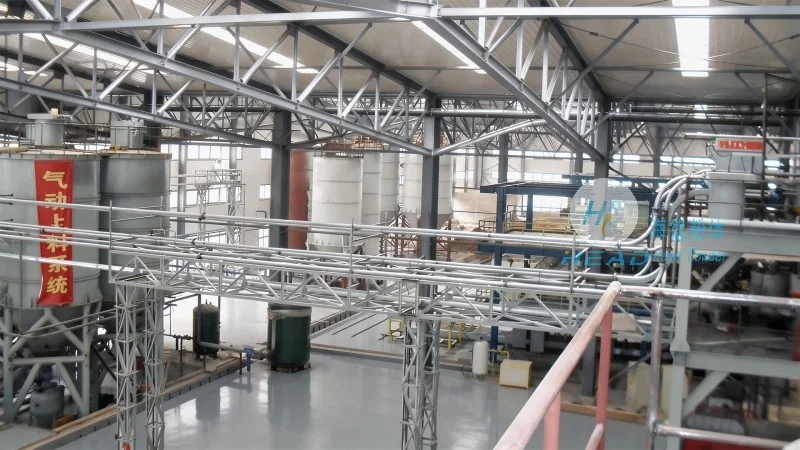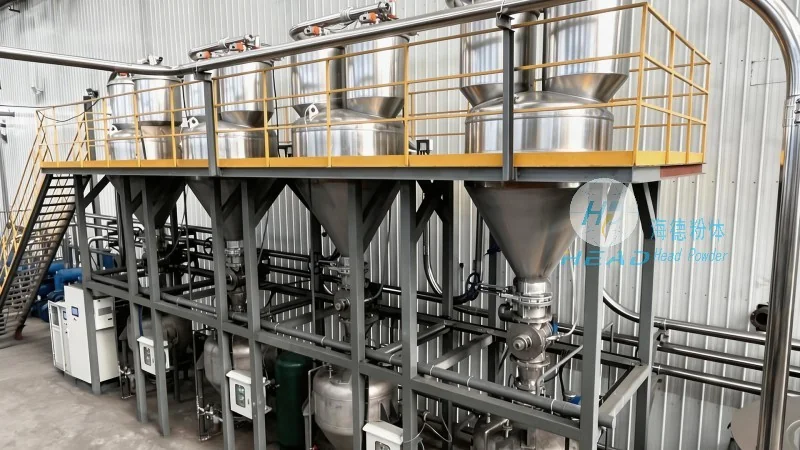
Solutions
Product center covers full-range conveying systems, batching systems, host equipment and accessories.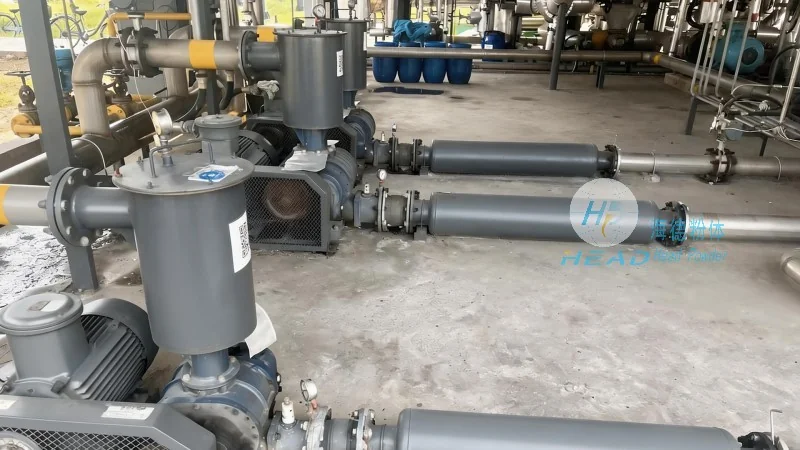
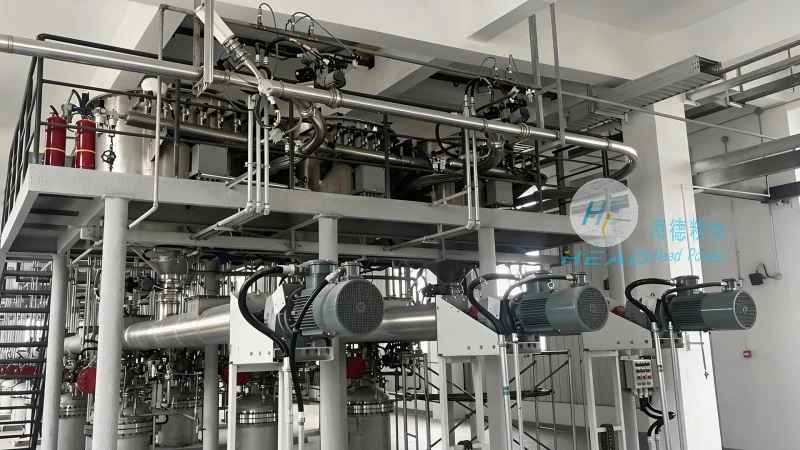
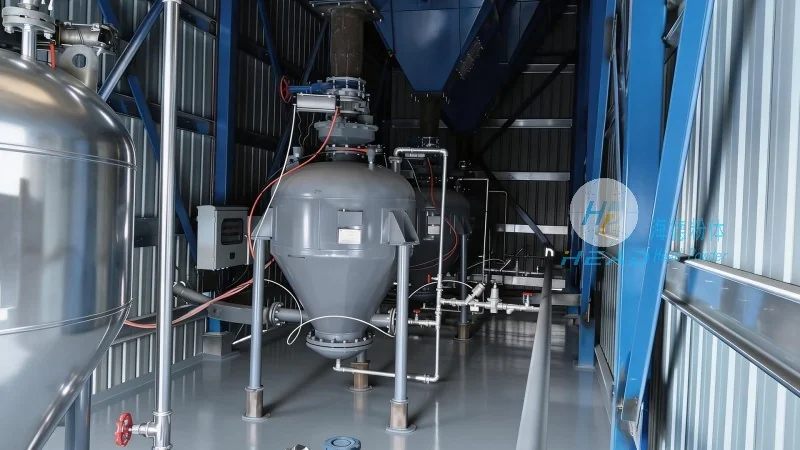
Manufacturers handling PVC pellets frequently face issues such as material degradation, dust generation, inconsistent feed rates, and high maintenance costs. Traditional mechanical conveying methods often lead to pellet breakage, contamination, and energy inefficiency, which directly impact production quality and operational uptime. These challenges become more pronounced when dealing with varied pellet sizes, tacky surfaces, or fragile formulations.
PVC pellets typically have a bulk density ranging from 0.5 to 0.9 g/cm³, with particle sizes between 2 mm and 6 mm. They possess a slightly abrasive nature and can generate static electricity during transport. Some formulations exhibit low melting points, making them sensitive to heat and friction. Proper handling requires gentle movement, minimal contact, and controlled airflow to preserve pellet integrity.
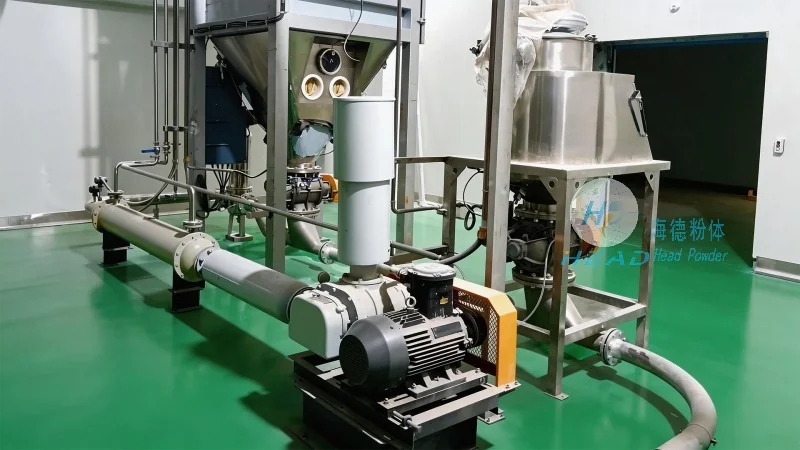
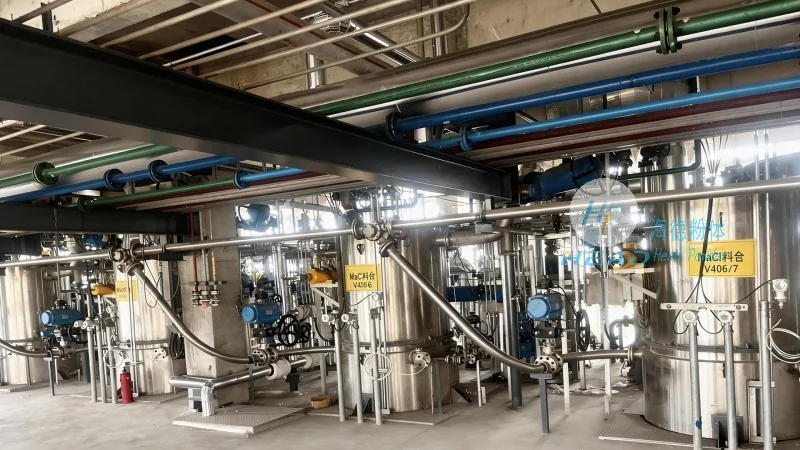
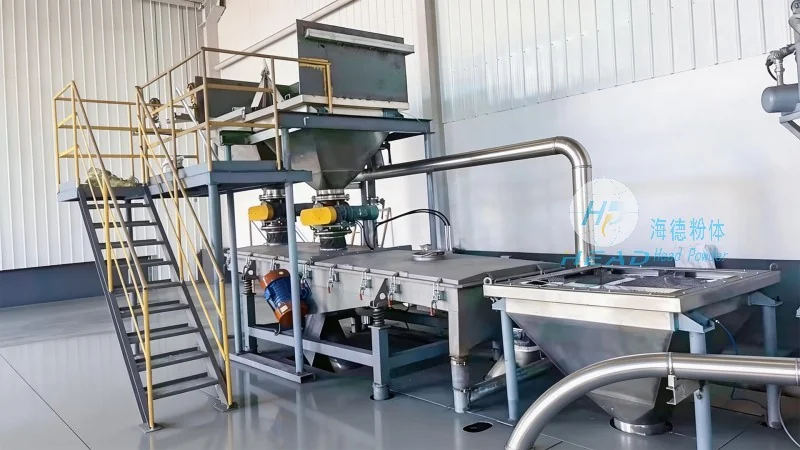
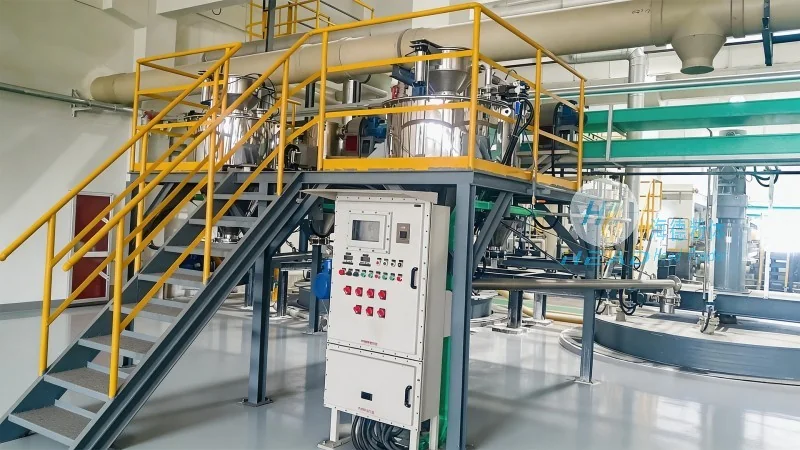
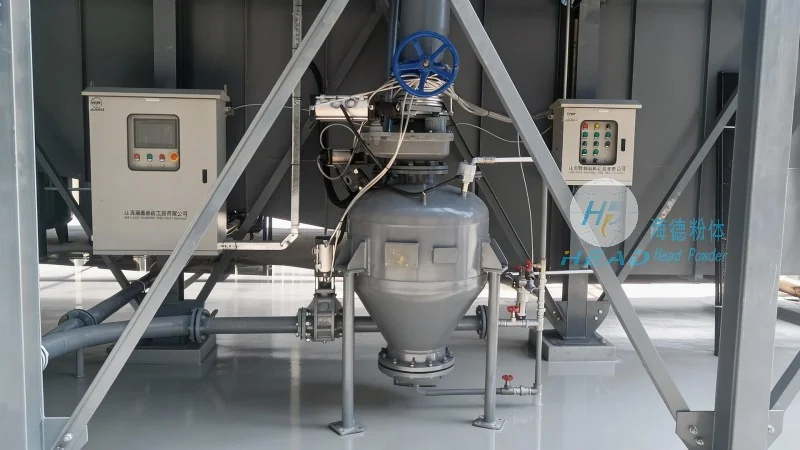
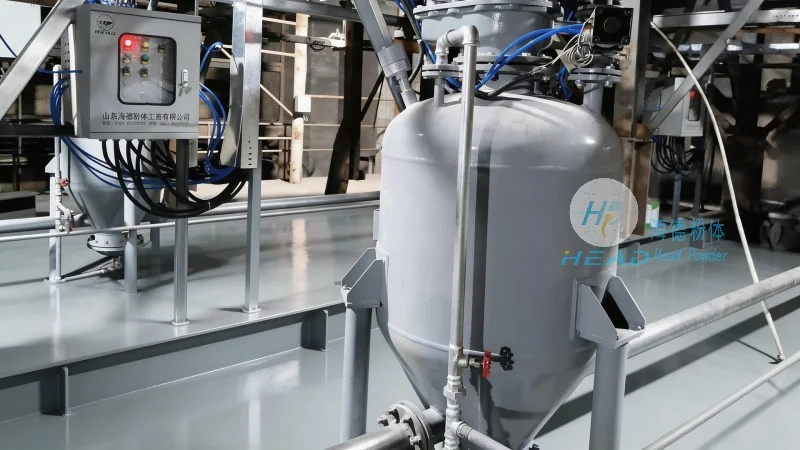
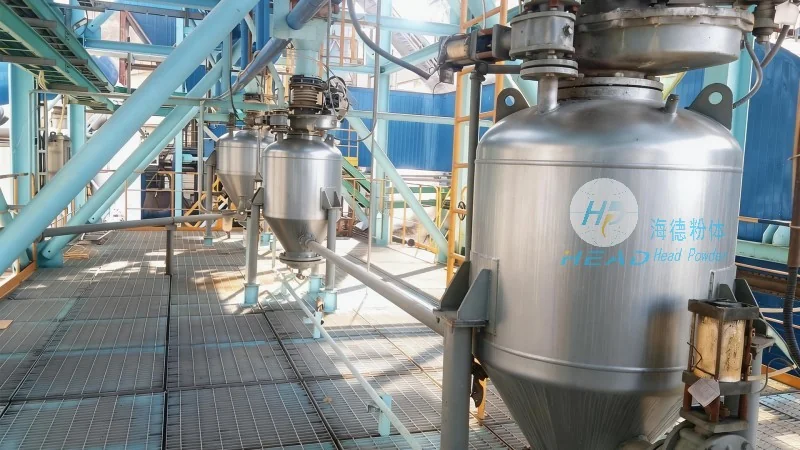
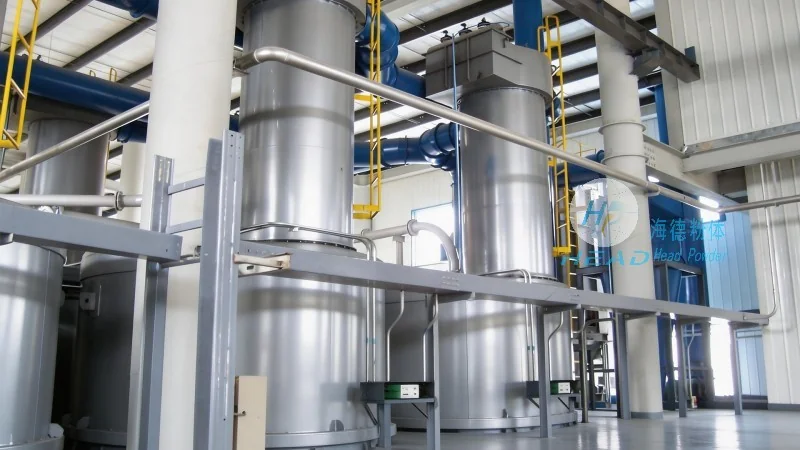
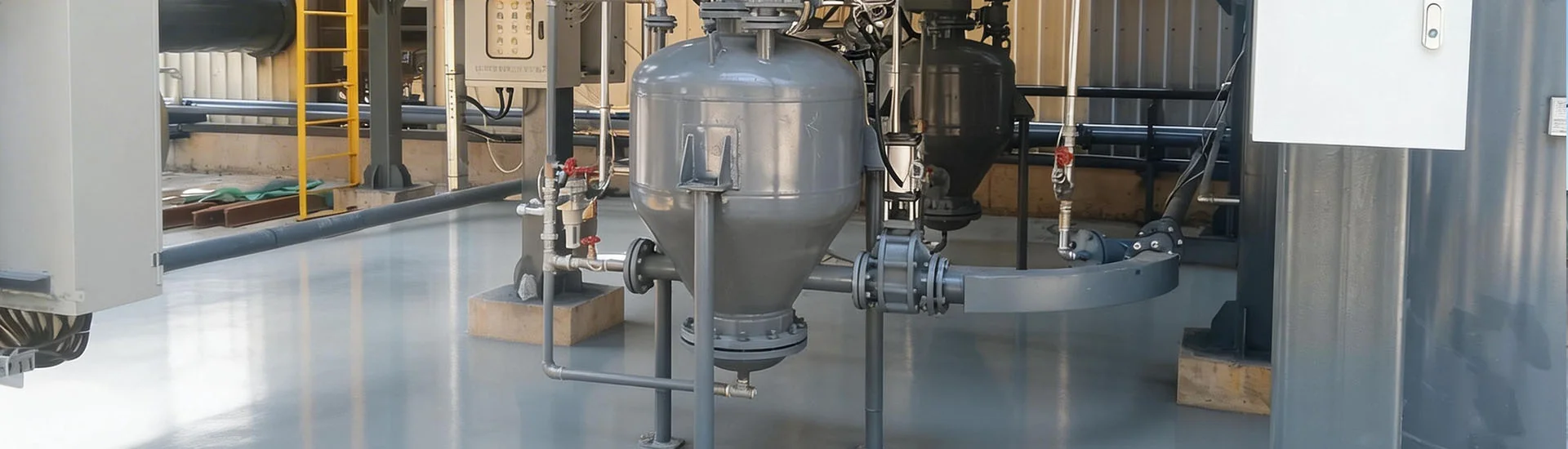
Headpowder offers a fully customizable pneumatic conveying system designed specifically for PVC pellets. The system utilizes dilute-phase or dense-phase technology based on pellet fragility and distance requirements. Key components include a rotary valve feeder, cyclone separator, filtration unit, and automated control panel. Each system is engineered to match the client's specific layout, throughput, and material flow parameters.
Headpowder's solution directly tackles the common pain points by providing enclosed, low-velocity transport that reduces pellet degradation and dust emission. The modular design allows for easy integration into existing production lines, while the PLC-based control ensures consistent conveying speed and minimal downtime. Energy consumption is optimized through variable frequency drives and compact piping layouts, lowering operational costs. Additionally, the system is designed for quick cleaning and maintenance, supporting hygienic requirements in food-grade or medical-grade PVC applications.

 Shandong headpowder Engineering Co., Ltd.
 156-6277-7102(Manager Zhang)
  0531-83386006
  Jinan City, Shandong Province, China
服务热线
微信咨询
回到顶部