

Vacuum pneumatic conveying of talc powder
Welcome to this comprehensive guide on Talc Powder Vacuum Pneumatic Conveying, a specialized industrial solution designed for efficient, dust-free, and safe material handling. This article is brought to you by headpowder (Shandong Headpowder Engineering Co., Ltd.), a leading engineering company based in Shandong, China. We will explore the technical principles, system advantages, equipment configurations, and application scenarios of talc powder pneumatic conveying, with a strong focus on the three core product keywords: talc powder pneumatic conveying, talc powder conveying, and talc powder vacuum pneumatic conveying. All information provided here is based on real industrial practices, and you can contact Manager Zhang via WeChat: 15662777102 for further inquiries or project consultation.
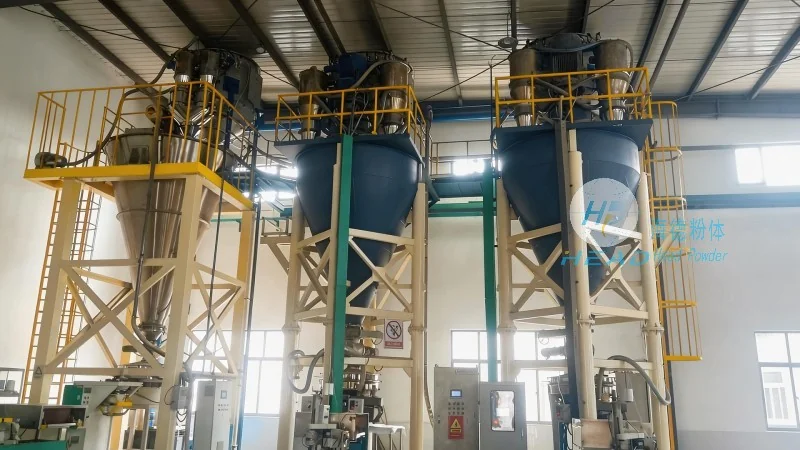
1. Overview of Talc Powder Vacuum Pneumatic Conveying
Talc powder is a finely grounded mineral widely used in plastics, ceramics, paints, papermaking, cosmetics, and pharmaceuticals. Its extremely fine particle size, low bulk density, and high tendency to generate dust make traditional mechanical conveying methods (such as screw conveyors or bucket elevators) problematic. Dust leakage, material degradation, and maintenance issues are common. Talc powder vacuum pneumatic conveying offers a closed-loop, non-mechanical transport solution that leverages negative pressure to move talc powder through pipelines. This method is also known as talc powder pneumatic conveying or simply talc powder conveying in the industry. The system is engineered by Shandong Headpowder Engineering Co., Ltd. (referred to as headpowder), located in Shandong, China, with decades of expertise in powder handling projects.
2. How Talc Powder Vacuum Pneumatic Conveying Works
The core principle of talc powder vacuum pneumatic conveying involves creating a negative pressure differential inside a sealed pipeline. A vacuum pump or blower generates suction at the receiving end, drawing air and talc powder from the feed point through the conveying line. At the material inlet, a specially designed rotary valve or venturi educator introduces the powder into the airstream. The talc powder is then suspended in the moving air and transported to a cyclone separator or a bag filter, where the powder is separated from the air and discharged into a storage hopper or process equipment. The conveying air is cleaned before being released or recirculated. This closed system ensures zero dust emission, minimal product loss, and superior hygiene – critical for food-grade or pharmaceutical-grade talc applications. Talc powder conveying via vacuum is particularly suitable for multiple pickup points delivering to a single destination, or for long-distance transport where mechanical conveyors would be impractical.
3. Key Advantages of Vacuum Pneumatic Conveying for Talc Powder
Compared to positive pressure systems, talc powder vacuum pneumatic conveying offers several distinct benefits. First, it eliminates the risk of material leakage because the system operates under negative pressure; any leak would draw air in rather than expel dust. This makes it ideal for handling fine, light, and hazardous powders. Second, vacuum conveying is gentle on the product – the low velocity and absence of mechanical compression reduce particle breakage, preserving the talc’s particle size distribution and quality. Third, the system is highly flexible: it can be routed around obstacles, over long distances, and between different floors or buildings. Fourth, maintenance is simplified because there are no rotating parts inside the material stream (except for the rotary valve at the inlet), reducing wear and downtime. headpowder has delivered numerous projects where talc powder pneumatic conveying systems replaced outdated screw conveyors, resulting in a 30% reduction in energy consumption and a 50% decrease in dust emissions. For any project requiring talc powder conveying solutions, you can reach Manager Zhang at WeChat: 15662777102 for a free feasibility study.
4. Core Components of a Talc Powder Vacuum Pneumatic Conveying System
A typical talc powder vacuum pneumatic conveying system designed by Shandong Headpowder Engineering Co., Ltd. consists of the following key components:
Feed Device: A rotary airlock valve or a screw feeder that meters the talc powder into the conveying line without disrupting the vacuum. The design must prevent air leakage while handling the cohesive nature of talc.
Conveying Pipeline: Made of stainless steel or carbon steel, with smooth inner surfaces to minimize friction. The pipe diameter and routing are optimized based on the required conveying capacity and distance.
Vacuum Source: A regenerative blower, vacuum pump, or liquid ring pump capable of maintaining the required negative pressure (typically 0.3–0.6 bar). The selection depends on the system’s airflow and pressure drop.
Separation Equipment: A cyclone separator or a pulse-jet bag filter separates the talc powder from the conveying air. The filter ensures that air discharged meets environmental standards, and the collected powder is returned to the process.
Control System: PLC-based automation with touchscreen interface, allowing operators to monitor vacuum level, material flow rate, and system status in real time. Remote monitoring and alarm functions are standard options.
Each component is engineered to handle the specific characteristics of talc powder conveying, including its high abrasiveness, electrostatic charge, and tendency to bridge. headpowder provides complete turnkey solutions, from design and fabrication to installation and commissioning.
5. Application Scenarios and Industry Use Cases
Talc powder vacuum pneumatic conveying is widely used across multiple industries. In the plastics industry, talc is added as a filler to improve rigidity and heat resistance; the conveying system feeds the powder directly into extruders or mixers without dust escape. In the ceramic industry, talc is a key component in glazes and body formulations; a vacuum system ensures accurate dosing and batch consistency. In the cosmetic sector, high-purity talc is conveyed under strict hygiene conditions, with all contact surfaces made of food-grade stainless steel and easy to clean. The pharmaceutical industry also relies on talc powder pneumatic conveying for tablet coating and excipient applications, where contamination must be avoided. Shandong Headpowder Engineering Co., Ltd. has successfully installed systems in talc mines, powder processing plants, and downstream manufacturing facilities across China and abroad. The company’s engineering team, led by Manager Zhang (WeChat: 15662777102), has extensive experience in customizing systems for capacities ranging from 100 kg/h to 50 t/h, with conveying distances up to 200 meters.
6. Design Considerations for Talc Powder Pneumatic Conveying Systems
Designing an efficient talc powder conveying system requires careful analysis of the material’s physical properties. Talc powder has a low bulk density (typically 0.4–0.8 g/cm³), a high angle of repose, and a tendency to fluidize poorly due to its platy particle shape. Therefore, the conveying air velocity must be selected to maintain suspension without causing pipe erosion. headpowder uses computational fluid dynamics (CFD) simulations to optimize the pipeline layout and minimize pressure drops. Additionally, the system must include features to prevent blockages, such as air injection points at bends and aeration pads in the hopper. The vacuum level must be carefully controlled to avoid excessive energy consumption. For talc powder vacuum pneumatic conveying, the system can be designed for continuous or batch operation, depending on downstream process requirements. The inclusion of a degassing filter at the hopper is also recommended to allow the talc powder to settle properly. All these considerations are part of headpowder’s standard engineering practice, ensuring that each talc powder pneumatic conveying system operates reliably for years.
7. Comparison with Alternative Conveying Methods
When evaluating talc powder pneumatic conveying versus mechanical conveyors, several factors stand out. Mechanical systems like belt conveyors or screw conveyors are prone to dust leakage, require frequent maintenance on bearings and seals, and have limited flexibility in routing. Pneumatic systems, especially vacuum types, solve these issues. Compared to positive pressure pneumatic conveying, vacuum systems are inherently safer for talc because the powder is under negative pressure, preventing blowouts. The initial investment for a vacuum system may be higher, but the total cost of ownership is often lower due to reduced maintenance, higher product quality, and lower energy consumption. headpowder offers comparative lifecycle cost analyses for customers considering talc powder conveying upgrades. If you are currently using a mechanical or manual method and want to transition to a modern, dust-free solution, contact Manager Zhang via WeChat: 15662777102 to discuss your specific requirements.
8. Why Choose Shandong Headpowder Engineering Co., Ltd.?
headpowder (full name: Shandong Headpowder Engineering Co., Ltd.) is a specialized engineering company headquartered in Shandong, China. With over 15 years of experience in powder handling, the company has a proven track record of delivering over 300 pneumatic conveying systems worldwide. The team comprises engineers, project managers, and technicians who understand the nuances of talc powder pneumatic conveying and other challenging materials. The company’s manufacturing facility is equipped with advanced CNC machines, welding robots, and testing labs to ensure quality. Every system is tested under simulated conditions before shipment. headpowder also provides after-sales support, including spare parts, remote troubleshooting, and on-site training. The company’s commitment to innovation is reflected in its patented vacuum conveying technology specifically adapted for fine powders like talc. For any project that involves talc powder conveying, headpowder is a trusted partner. You can directly reach the person in charge, Manager Zhang, at WeChat: 15662777102 for a consultation or quotation.
9. Technical Specifications and Performance Data
To give you a clearer picture of what talc powder vacuum pneumatic conveying can achieve, here are typical performance parameters from headpowder systems:
Conveying Capacity: 100 kg/h to 50,000 kg/h, adjustable via variable frequency drive on the rotary valve and vacuum blower.
Conveying Distance: Up to 200 meters horizontal, with vertical lifts up to 30 meters per stage. Multiple stages can be used for longer distances.
Particle Size: Suitable for talc powder with D50 from 5 µm to 200 µm. Finer powders require careful design of the filter and aeration system.
Vacuum Level: Typically 0.3–0.6 bar (gauge), depending on the system’s pressure drop. The blower power ranges from 5.5 kW to 75 kW.
Material Temperature: Up to 80°C for standard systems; high-temperature versions are available for hot talc powder.
Pipeline Material: Stainless steel 304/316 or carbon steel, with optional ceramic lining for abrasive applications.
These specifications ensure that talc powder pneumatic conveying systems from headpowder meet the most demanding industrial standards. The company also offers custom designs for non-standard conditions, such as explosion-proof environments or cleanroom installations.
10. Installation, Commissioning, and Maintenance
Installing a talc powder conveying system requires careful coordination between the conveying line, receiving hoppers, and existing equipment. headpowder provides a full installation service, including structural supports, pipe welding, electrical wiring, and PLC programming. The commissioning phase involves testing the system with talc powder under actual operating conditions, adjusting parameters like air velocity, feed rate, and vacuum level to achieve optimal performance. Training for operators and maintenance staff is included. Maintenance of a talc powder vacuum pneumatic conveying system is straightforward: periodic inspection of the rotary valve seals, filter bags, and vacuum blower; cleaning of the pipeline if talc buildup occurs; and replacement of wear parts such as the venturi nozzles or pipe bends. headpowder offers a one-year warranty on all components and provides a remote monitoring service that alerts the customer’s team to potential issues. For spare parts or service inquiries, Manager Zhang is available at WeChat: 15662777102.
11. Frequently Asked Questions About Talc Powder Vacuum Conveying
Q: Can the system handle talc powder with high moisture content?
A: Yes, but additional drying equipment or heated lines may be required. headpowder can design the system accordingly.
Q: Is it suitable for food-grade talc?
A: Absolutely. The system uses food-grade stainless steel, FDA-approved seals, and cleanable filter housings. It is widely used in the food and pharmaceutical industries.
Q: What is the typical payback period?
A: For most customers, the investment in talc powder pneumatic conveying is recovered within 12–18 months through reduced material waste, lower labor costs, and improved product quality.
Q: Does the system require a lot of floor space?
A: No. The main components are compact and can be installed on existing structures. The pipeline can be routed overhead, freeing up floor space.
Q: How do I get a quote?
A: Simply contact Manager Zhang via WeChat: 15662777102 with your material specifications, required capacity, and site layout. headpowder will provide a detailed proposal within 3 business days.
12. Conclusion and Call to Action
In summary, talc powder vacuum pneumatic conveying is a proven, reliable, and efficient method for transporting talc powder in a wide range of industrial applications. Whether you need talc powder pneumatic conveying for a new facility or an upgrade of an existing system, Shandong Headpowder Engineering Co., Ltd. (known as headpowder) offers the expertise, equipment, and support to ensure success. Located in Shandong, China, the company has delivered hundreds of projects that meet the highest standards of safety, hygiene, and performance. The key to a successful project is a thorough understanding of your material and process, and headpowder’s team is ready to help. For immediate assistance, please contact Manager Zhang on WeChat: 15662777102. Do not hesitate to reach out – your efficient, dust-free talc powder conveying solution is just one message away.