With over 10 years in pneumatic conveying, Shandong Headpowder delivers full‑chain systems, equipment and fans, and undertakes national turn‑key powder engineering projects.


With over 10 years in pneumatic conveying, Shandong Headpowder delivers full‑chain systems, equipment and fans, and undertakes national turn‑key powder engineering projects.
Introduction:
In the field of industrial material handling, efficient and reliable conveying systems are critical
In the field of industrial material handling, efficient and reliable conveying systems are critical for maintaining production continuity and product quality. Among the various technologies available, the dilute phase negative pressure pneumatic conveying system stands out as a highly versatile and cost-effective solution. This article provides a comprehensive overview of the dilute phase negative pressure pneumatic conveying system, its key features, and the expertise offered by Shandong Headpowder Engineering Co., Ltd. (headpowder) in delivering customized solutions for diverse industries.
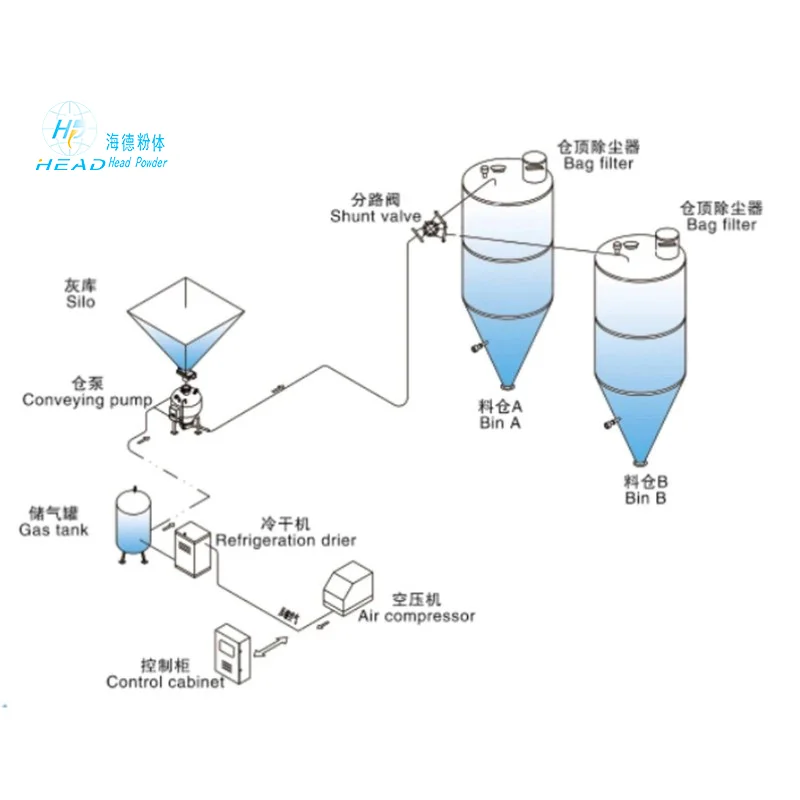
A dilute phase negative pressure pneumatic conveying system, also commonly referred to as negative pressure dilute phase pneumatic conveying, operates by using a vacuum or negative pressure differential to transport bulk materials through a pipeline. In this system, the material is introduced into a low-pressure air stream, where it is suspended and conveyed at relatively high velocities. The term "dilute phase" indicates that the ratio of solid material to air is low, meaning the particles are well separated and not densely packed. This design ensures gentle handling of fragile or abrasive materials while maintaining high throughput. The negative pressure environment also prevents dust leakage, making it an ideal choice for hygienic and environmentally sensitive applications. The key product keywords—dilute phase pneumatic conveying, negative pressure pneumatic conveying, dilute phase negative pressure pneumatic conveying, and negative pressure dilute phase pneumatic conveying—all accurately describe this system from different technical perspectives, but they refer to the same fundamental technology.
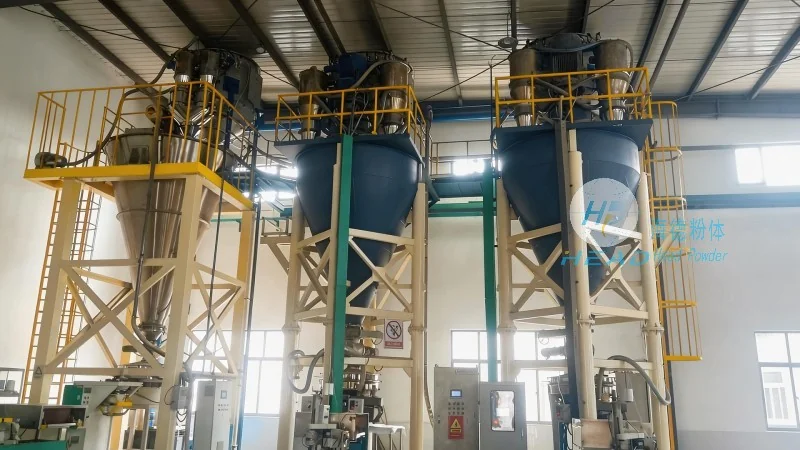
The dilute phase negative pressure pneumatic conveying system relies on a vacuum generator, such as a centrifugal fan or a rotary lobe blower, to create a pressure below atmospheric level at the pickup point. Material is fed into the suction line through a specially designed hopper or feeder, where it becomes entrained in the air stream. The high-velocity airflow carries the particles through the piping network to a separation device, typically a cyclone separator or a bag filter, where the material is separated from the air. The cleaned air is then discharged or recirculated. This negative pressure approach ensures that any leakage in the system is inward, preventing the escape of dust or fine particles into the surrounding environment. The dilute phase characteristic means that the material moves at velocities typically between 15 and 30 meters per second, depending on particle size and density. This high speed allows for long-distance conveying, often exceeding several hundred meters, while maintaining a relatively simple and low-maintenance design.
One of the most significant benefits of the dilute phase negative pressure pneumatic conveying system is its ability to handle a wide variety of bulk materials, including powders, granules, flakes, and even small pellets. Materials such as cement, fly ash, plastic pellets, food ingredients, and chemical powders can be transported efficiently. The negative pressure environment minimizes the risk of contamination and ensures that the product remains free from external impurities. Additionally, because the system uses a vacuum, it is particularly well-suited for feeding multiple source points from a single conveying line, making it flexible for complex plant layouts. The dilute phase design also reduces the wear on pipes and components compared to dense phase systems, as the particles are suspended in air rather than sliding along the pipe walls. This leads to lower maintenance costs and longer equipment life. Furthermore, the ability to operate at low pressures means that the energy consumption is relatively moderate, providing an economical solution for many industrial applications.
The dilute phase negative pressure pneumatic conveying system finds extensive use in industries where cleanliness, gentle handling, and dust control are paramount. In the food processing sector, it is used to transport sugar, flour, starch, and spices without causing degradation or contamination. In the chemical industry, it handles fine powders like titanium dioxide, carbon black, and various additives. The pharmaceutical industry relies on negative pressure dilute phase pneumatic conveying for moving active pharmaceutical ingredients (APIs) and excipients under strict hygienic conditions. The plastics industry uses it to convey resin pellets, regrind materials, and masterbatches. Additionally, the system is widely adopted in the building materials industry for cement, limestone, and gypsum powder handling. The ability to safely handle combustible or explosive dusts, when equipped with proper explosion protection measures, further expands its applicability. For each of these applications, the core technology remains the same, but the system is customized to meet specific material properties, conveying distances, and throughput requirements.
Shandong Headpowder Engineering Co., Ltd., commonly known as headpowder, is a leading provider of pneumatic conveying solutions based in Shandong, China. With years of specialized experience in dilute phase pneumatic conveying technology, the company has developed a deep understanding of the nuances involved in negative pressure conveying systems. Their engineering team designs and manufactures complete systems tailored to the exact needs of each client, ensuring optimal performance, energy efficiency, and reliability. From initial consultation and material testing to system design, fabrication, installation, and after-sales support, headpowder offers a comprehensive service package. The company’s commitment to quality is reflected in the use of durable materials, precise manufacturing processes, and rigorous testing protocols. Many clients across the globe have benefited from headpowder's expertise in delivering both standard and custom dilute phase negative pressure pneumatic conveying solutions.
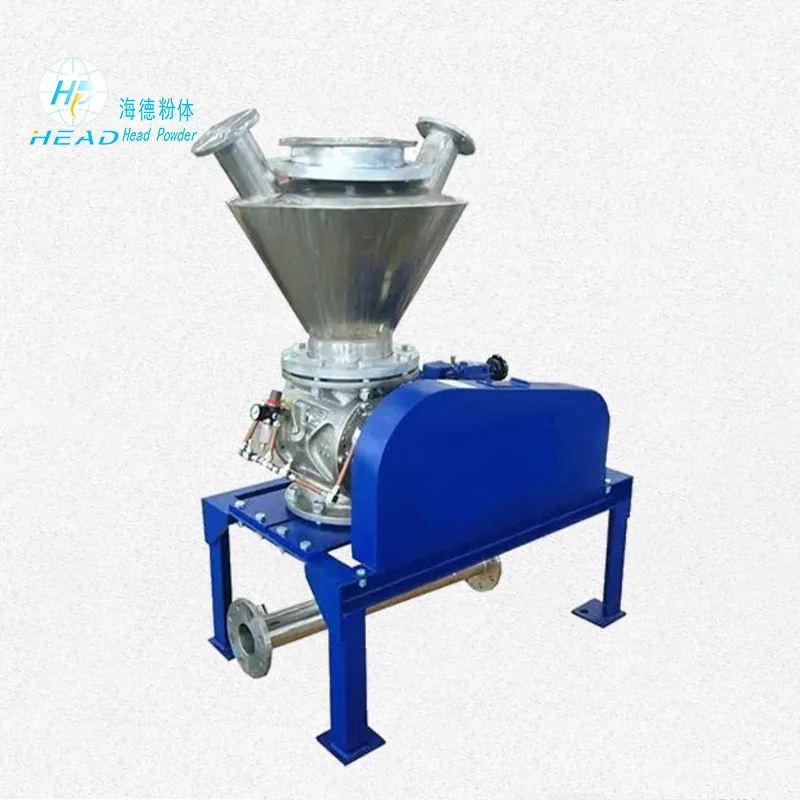
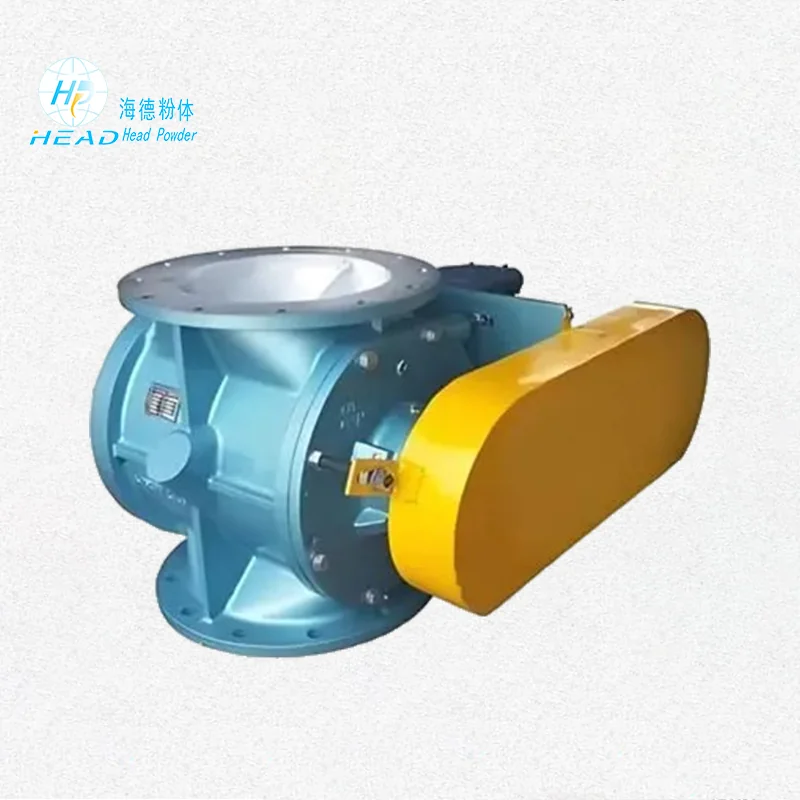
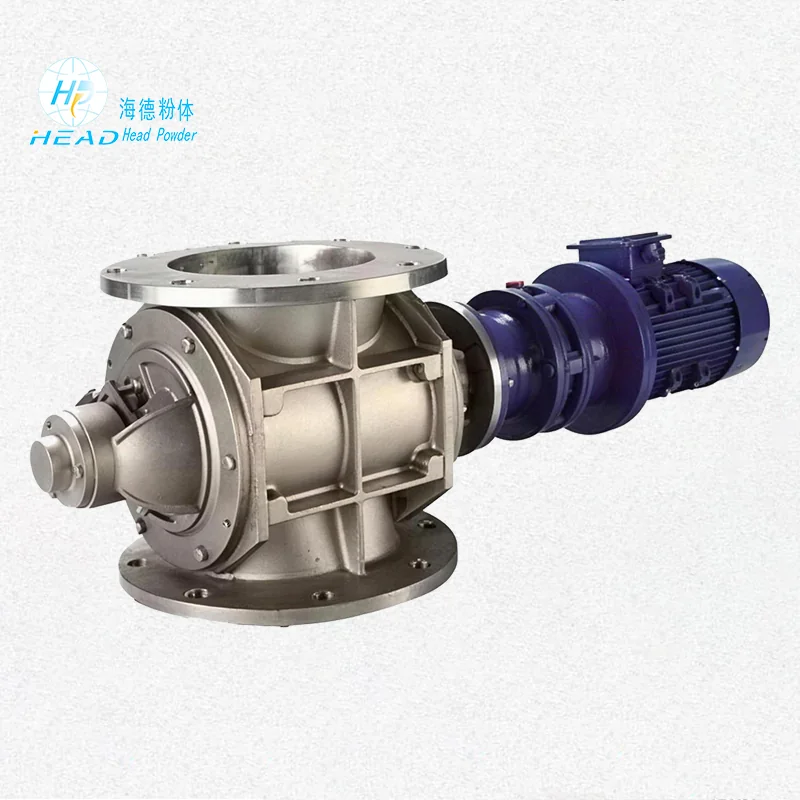
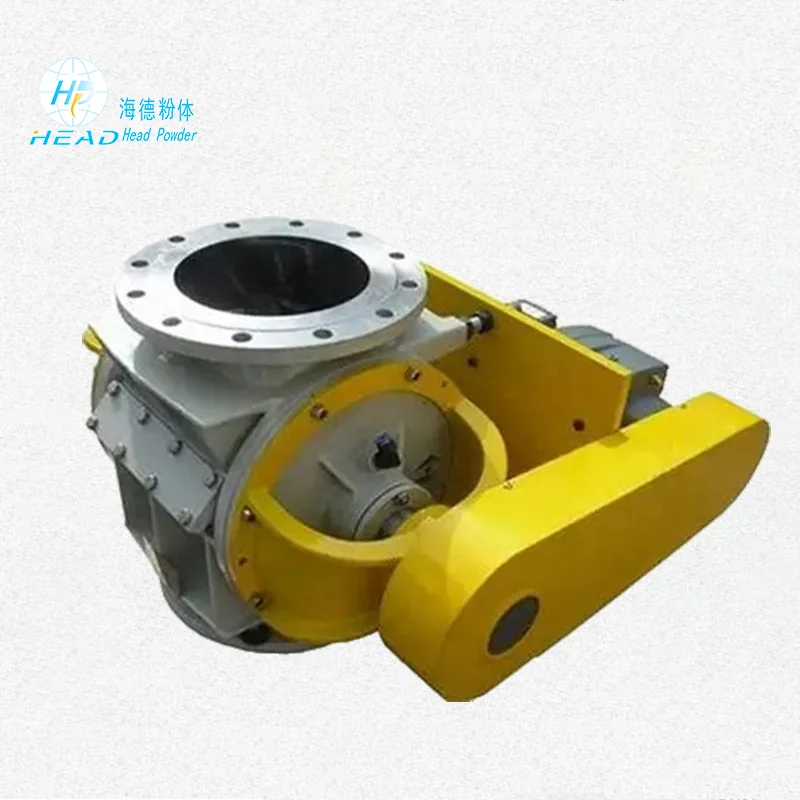
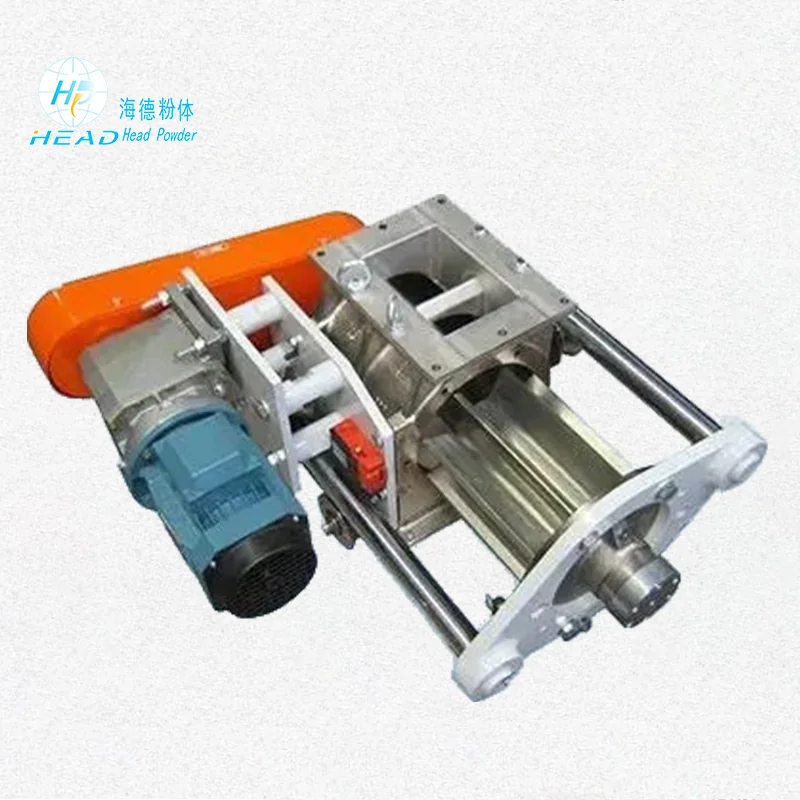
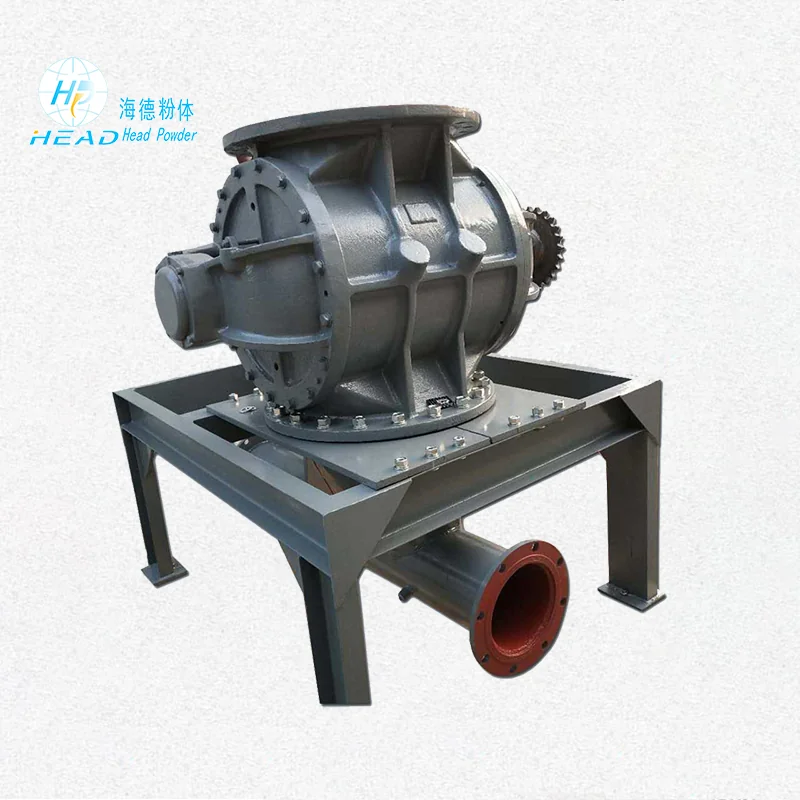
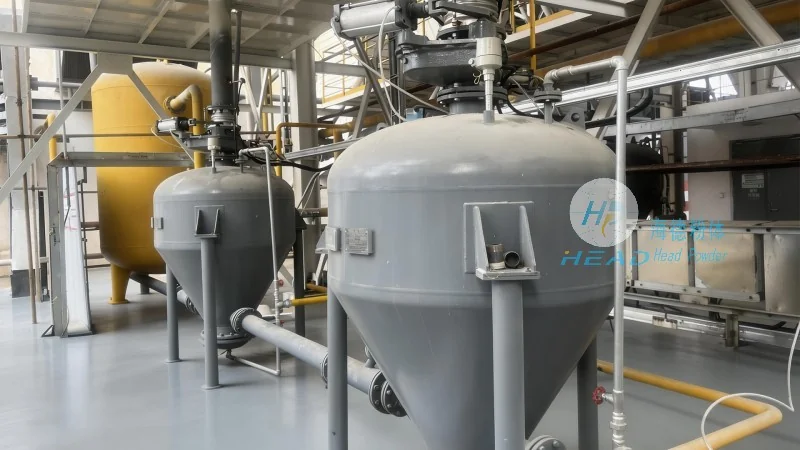
Every industrial conveying challenge is unique, and headpowder understands that a one-size-fits-all approach rarely works. The company provides thorough material analysis to determine the optimal conveying velocity, air-to-material ratio, and pipeline configuration. For dilute phase negative pressure pneumatic conveying systems, factors such as particle size distribution, moisture content, abrasiveness, and temperature sensitivity are carefully evaluated. Based on these findings, the system is designed with appropriate feeders, diverters, filters, and controls. The company also offers a range of auxiliary equipment, including rotary valves, blow tanks, vacuum receivers, and dust collectors, to complete the system. After installation, headpowder's technical team provides on-site commissioning, operator training, and ongoing maintenance support. For any inquiries, please contact Manager Zhang directly via WeChat at 15662777102. The team is ready to assist with project evaluation, system sizing, and quotation.
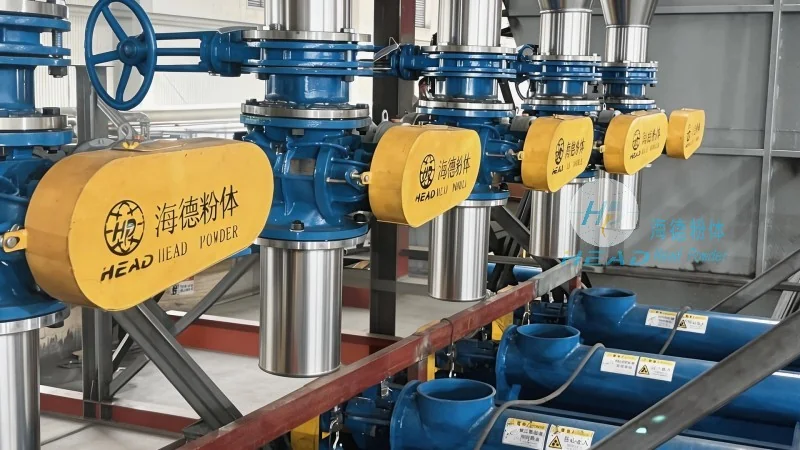
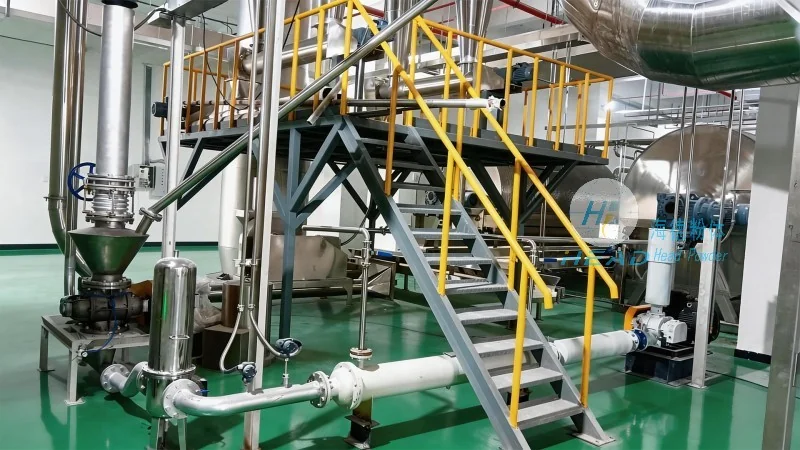
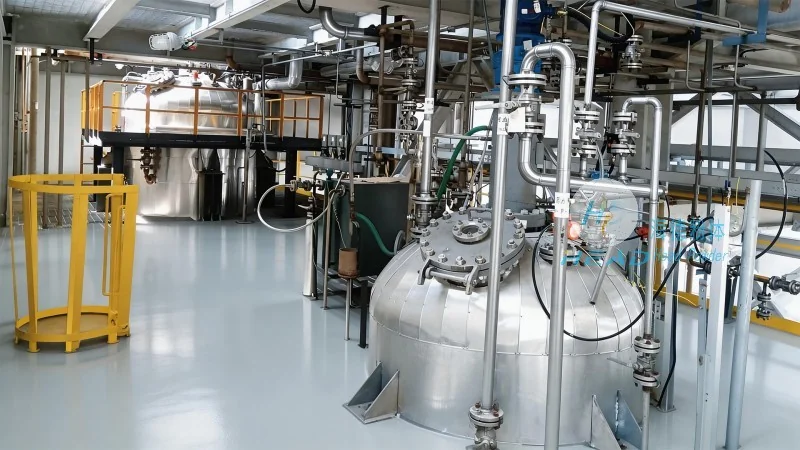
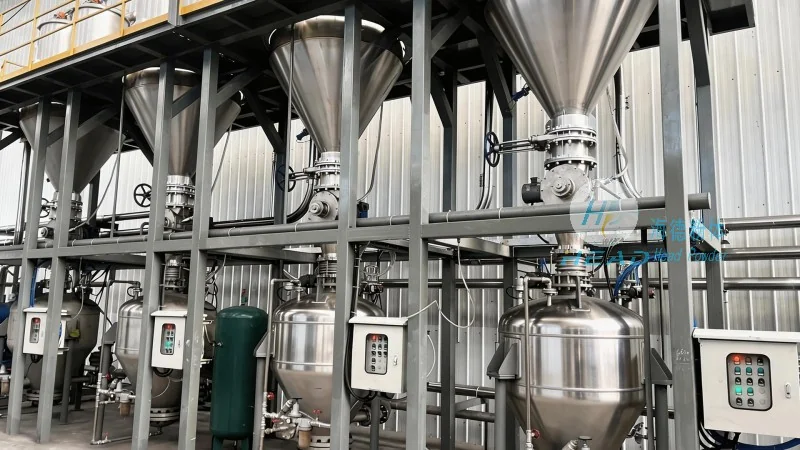
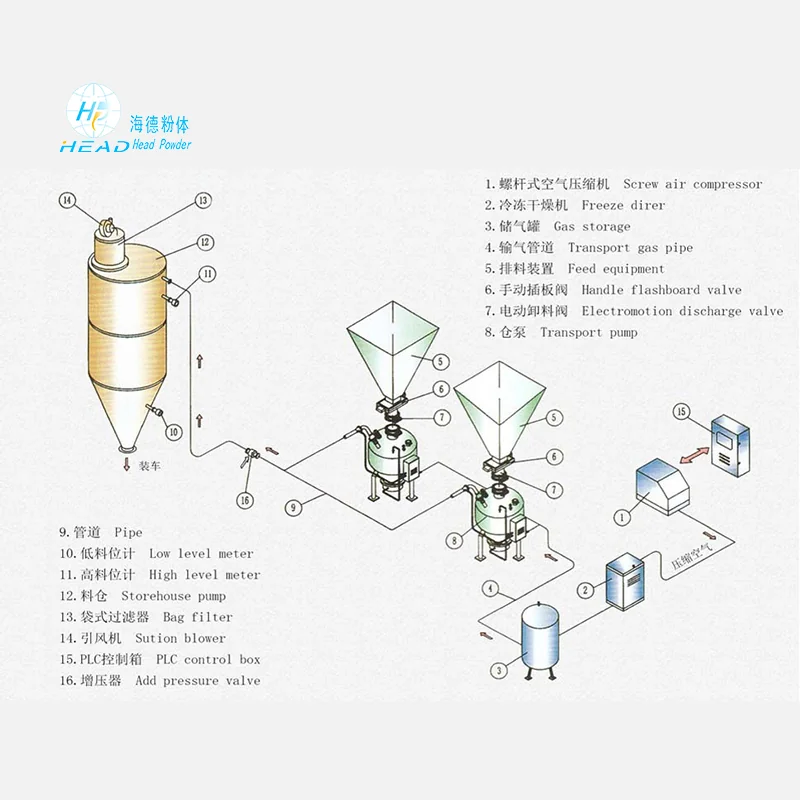
A typical dilute phase negative pressure pneumatic conveying system consists of several key components: a material intake point (e.g., a hopper with a rotary valve or a suction nozzle), a conveying pipeline, a vacuum source (fan or blower), a separation device (cyclone or filter), and a discharge mechanism. The pipelines are usually made of carbon steel, stainless steel, or aluminum, depending on the material being conveyed and the required hygiene level. Bends, elbows, and straight sections are designed to minimize pressure loss and wear. The vacuum source is selected based on the required air volume and negative pressure, which typically ranges from 0.2 to 0.6 bar gauge. Automated control systems, including PLCs and variable frequency drives, are often integrated to optimize performance and energy consumption. The layout of the system must account for the available space, the number of pickup points, and the discharge destinations. headpowder's engineers work closely with clients to design efficient layouts that reduce installation costs and simplify future expansion.
One of the advantages of the dilute phase negative pressure pneumatic conveying system is its relatively low maintenance requirement. However, regular inspection of the vacuum source, filters, and pipe joints is recommended to ensure sustained performance. The filter bags or cartridges in the separation unit should be cleaned or replaced periodically to prevent pressure drop buildup. The rotary feeder or other intake devices must be checked for wear, especially when handling abrasive materials. The pipeline itself should be inspected for erosion at bends and elbows, which are the most vulnerable points. headpowder provides detailed maintenance manuals and spare parts support to help clients keep their systems running smoothly. With proper care, a dilute phase negative pressure pneumatic conveying system can operate for many years with minimal downtime, offering a reliable and cost-effective material handling solution.
In summary, the dilute phase negative pressure pneumatic conveying system is a proven technology that offers a clean, flexible, and efficient method for transporting bulk materials. Its ability to handle a wide range of products while preventing dust emission makes it a preferred choice in many industries. Shandong Headpowder Engineering Co., Ltd. (headpowder) brings extensive expertise in designing and manufacturing these systems, ensuring that each installation meets the highest standards of quality and performance. For more information about how a dilute phase negative pressure pneumatic conveying system can benefit your operation, or to discuss your specific project requirements, please contact Manager Zhang via WeChat at 15662777102. The headpowder team looks forward to helping you achieve optimal material handling efficiency.
Cases
The most frequently asked questions before placing an order.
Specify materials and operating conditions; engineers calculate selection parameters and…
Leave a message or call; engineers calculate selection parameters by model and send back technical data.