

Introduction to and Structural Principles of Quicklime Powder Conveying Systems
Quicklime powder, also known as calcium oxide (CaO), is a widely used industrial material in various sectors such as construction, chemical manufacturing, and environmental treatment. The efficient and reliable transportation of quicklime powder from storage to processing units is crucial for maintaining production efficiency and ensuring product quality. This article provides an overview of quicklime powder conveying systems, detailing their structural components and operational principles.
Key Components of Quicklime Powder Conveying Systems
The core components of a quicklime powder conveying system are designed to handle the unique properties of quicklime, including its fine particle size, hygroscopic nature, and potential for dust generation. The primary components include:
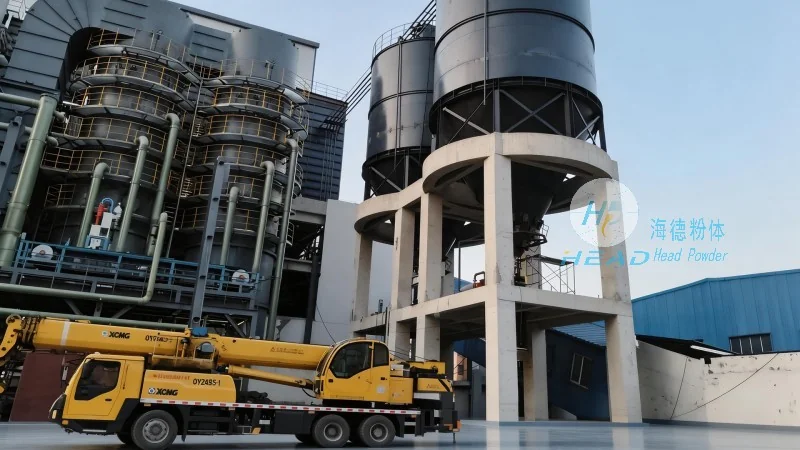
- Storage Silos: Large, airtight silos are used to store quicklime powder, preventing moisture absorption and maintaining material quality. These silos are typically equipped with internal agitators to keep the powder from caking.
- Pneumatic Conveying Equipment: This includes blowers, air lines, and conveying pipes that use compressed air to transport the powder. Pneumatic systems are ideal for quicklime due to their ability to handle fine powders without mechanical contact, reducing wear and tear.
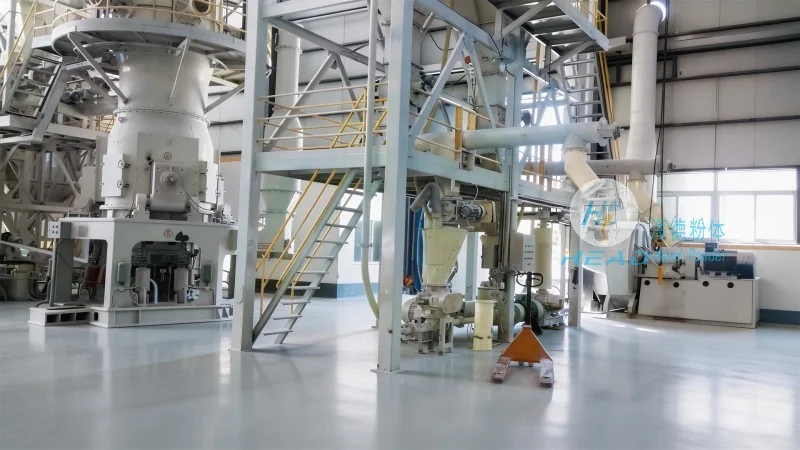
- Feeding Devices: Screw feeders or rotary valves are used to control the flow of quicklime from the storage silos into the conveying system, ensuring a consistent and controlled feed rate.
- Control Systems: Advanced control panels monitor and regulate the pressure, flow rate, and temperature within the system, optimizing performance and preventing system failures.
Structural Principles and Operational Mechanisms
The structural principles of quicklime powder conveying systems are based on the physics of fluidization and pneumatic transport. The system operates by creating a low-pressure zone in the conveying line using a blower, which draws the quicklime powder into the air stream. The powder is then carried through the pipes by the moving air, reaching the destination silo or processing unit. Key operational mechanisms include:
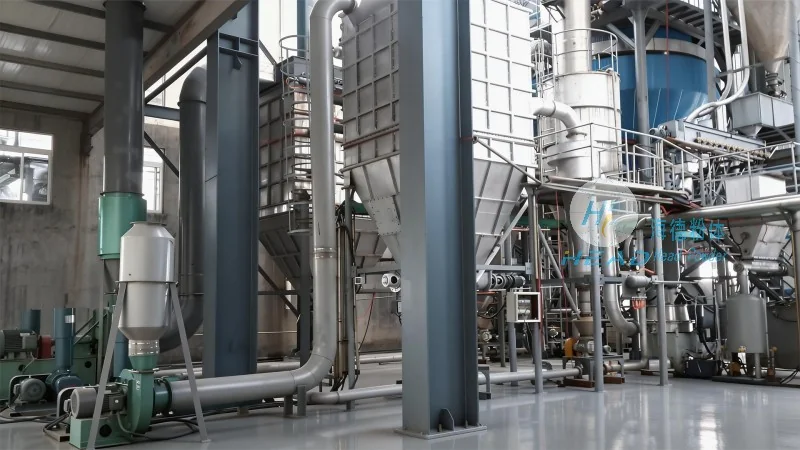
- Positive Displacement vs. Dilute Phase Conveying: Positive displacement systems use a pump to move the powder, suitable for high-pressure applications. Dilute phase systems, which are more common for quicklime, rely on the air flow to transport the powder, requiring higher air velocities to maintain particle suspension.
- Airflow Management: Proper airflow management is critical to prevent particle deposition and ensure consistent conveying. This involves maintaining appropriate air velocities and pressure differentials to keep the powder in suspension throughout the conveying process.
- Prevention of Caking and Moisture Absorption: Quicklime is hygroscopic, meaning it absorbs moisture from the air, which can lead to caking and blockages. Systems are designed with moisture-proof seals and regular cleaning mechanisms to mitigate these issues.
Applications and Benefits of Quicklime Powder Conveying Systems
Quicklime powder conveying systems are essential in industries where quicklime is a key raw material. Applications include:
- Construction Industry: Used in the production of cement, mortar, and other building materials, where consistent powder supply is vital for quality control.
- Chemical Manufacturing: Employed in processes requiring quicklime for neutralization, pH adjustment, and as a raw material in chemical synthesis.
- Environmental Treatment: Utilized in wastewater treatment and flue gas desulfurization, where quicklime is used to neutralize acidic substances and reduce emissions.
The benefits of using advanced quicklime powder conveying systems include improved production efficiency, reduced labor costs, enhanced safety (due to enclosed systems minimizing dust exposure), and better product quality control. By ensuring a continuous and reliable supply of quicklime powder, these systems contribute to the overall productivity and profitability of industrial operations.
About Shandong HeadPowder Engineering Co., Ltd.
Shandong HeadPowder Engineering Co., Ltd., operating under the brand name headpowder, is a leading manufacturer of specialized powder handling equipment. With a focus on innovation and customer satisfaction, the company designs and manufactures high-quality quicklime powder conveying systems tailored to the specific needs of industrial clients. HeadPowder's expertise in material handling technology ensures that their systems are efficient, durable, and compliant with industry standards. The company's headquarters is located in Shandong, China, where it leverages local resources and expertise to deliver superior products and services to global markets.