

Introduction to Lithium-Ion Battery Pneumatic Conveying System Equipment and Structural Principles
HeadPowder, a leading manufacturer based in Shandong, China, specializes in the design and production of advanced pneumatic conveying systems tailored for lithium-ion battery manufacturing processes. This article provides an overview of the equipment used in lithium-ion battery pneumatic conveying systems, along with a detailed explanation of their structural principles and operational mechanisms.
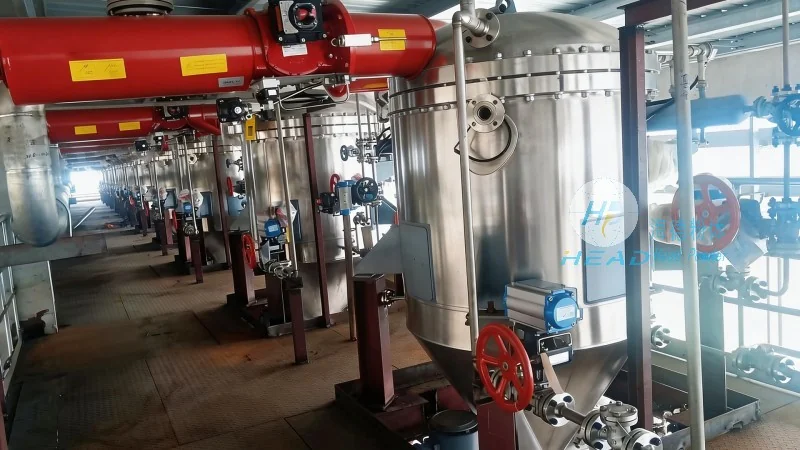
Lithium-Ion Battery Pneumatic Conveying System Equipment Overview
The lithium-ion battery pneumatic conveying system is a critical component in modern battery production lines, enabling the efficient and safe transport of raw materials, intermediates, and finished products. The system typically consists of several key equipment components, each playing a vital role in the overall conveying process. These components include the material hopper, air compressor, conveying pipeline, control system, and discharge device. Each piece of equipment is engineered to meet the specific demands of lithium-ion battery production, ensuring high reliability and performance under demanding industrial conditions.
Structural Principles of Lithium-Ion Battery Pneumatic Conveying System
The structural principles of the lithium-ion battery pneumatic conveying system are centered around the use of compressed air to move materials through a closed pipeline system. The system operates on the principle of air flow, where the air compressor generates a high-pressure air stream that propels the material particles through the pipeline. The conveying process can be categorized into two main types: dilute-phase and dense-phase conveying. Dilute-phase conveying is suitable for transporting fine powders and granules over short to medium distances, while dense-phase conveying is used for handling bulk materials with higher density and lower air consumption. The structural design of the system, including the pipeline layout, air velocity control, and material feed mechanisms, is optimized to minimize material degradation, ensure consistent flow rates, and maintain system efficiency.
Key Components and Their Functions
1. **Material Hopper**: The material hopper is the initial storage unit where raw materials such as lithium compounds, graphite, and other battery components are stored before being fed into the conveying system. It is designed with a large capacity to accommodate bulk material storage and features a discharge valve to regulate the flow of material into the system. The hopper is constructed from high-quality materials to prevent material contamination and ensure durability under heavy usage.
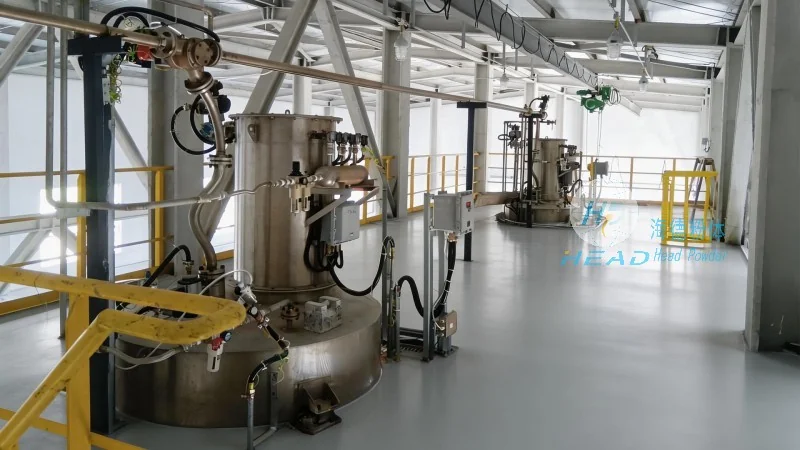
2. **Air Compressor**: The air compressor is the heart of the pneumatic conveying system, responsible for generating the necessary compressed air to move the material particles. It operates by compressing ambient air and delivering it at a high pressure to the conveying pipeline. The compressor is equipped with advanced control systems to regulate air pressure and flow, ensuring stable operation and energy efficiency. Different types of compressors, such as rotary screw or reciprocating compressors, may be used depending on the specific requirements of the conveying system.
3. **Conveying Pipeline**: The conveying pipeline is a network of pipes that forms the main pathway for material transport. It is typically made of stainless steel or other corrosion-resistant materials to withstand the chemical properties of battery materials and ensure long-term service life. The pipeline design includes bends, elbows, and straight sections, with appropriate diameters to maintain optimal air velocity and minimize pressure drop. The pipeline is also equipped with pressure sensors and flow meters to monitor system performance and detect any blockages or abnormalities.
4. **Control System**: The control system is responsible for managing the operation of the entire pneumatic conveying system. It includes sensors, controllers, and software that monitor parameters such as air pressure, material flow rate, and system temperature. The control system allows for automated operation, enabling precise control over the conveying process and ensuring safety by preventing overpressure or material accumulation. It also provides real-time data and alerts to operators, facilitating quick troubleshooting and maintenance.
5. **Discharge Device**: The discharge device is the final component of the conveying system, responsible for releasing the material from the pipeline into the receiving container or processing equipment. It is designed to handle different material types and flow rates, with options such as rotary valves, star feeders, or pressure relief valves. The discharge device ensures that material is discharged smoothly and without blockages, maintaining system efficiency and preventing material loss or contamination.
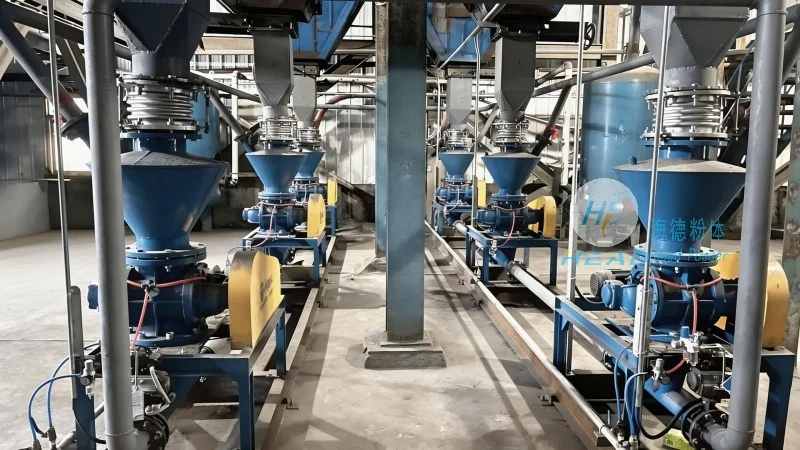
Operational Mechanism and Advantages
The operational mechanism of the lithium-ion battery pneumatic conveying system involves several sequential steps. First, the material is fed from the hopper into the conveying pipeline through a feeder mechanism. Simultaneously, the air compressor supplies compressed air to the pipeline, creating a high-pressure air stream. The air stream propels the material particles through the pipeline, maintaining a consistent flow rate. The material is then discharged from the pipeline into the receiving equipment, where it is further processed or stored. The system operates continuously, with the control system monitoring and adjusting parameters to maintain optimal performance.
The advantages of using a pneumatic conveying system for lithium-ion battery production are numerous. Firstly, it offers high efficiency and speed, enabling rapid material transport compared to traditional methods such as manual handling or mechanical conveyors. Secondly, it provides a closed system, which is crucial for maintaining material purity and preventing contamination, especially in battery manufacturing where even small impurities can affect battery performance. Thirdly, the system is flexible and can be easily integrated into existing production lines, allowing for scalability and adaptability to changing production demands. Additionally, the pneumatic conveying system reduces labor costs and improves workplace safety by minimizing manual handling of materials and eliminating the risk of material spills or dust exposure.
About Shandong HeadPowder Engineering Co., Ltd.
Shandong HeadPowder Engineering Co., Ltd., commonly known as HeadPowder, is a professional manufacturer specializing in the research, development, and production of pneumatic conveying systems and related equipment. With a strong focus on innovation and quality, HeadPowder has established itself as a trusted partner in the battery manufacturing industry. The company is headquartered in Shandong, China, and leverages advanced technology and experienced engineering teams to deliver high-performance solutions tailored to the specific needs of clients. HeadPowder's commitment to customer satisfaction and product excellence has earned it a reputation for reliability and durability in the market. The company continuously invests in research and development to enhance its product line, ensuring that it remains at the forefront of technological advancements in the pneumatic conveying industry.