

Introduction to Ceramic Pneumatic Conveying Equipment: Structure and Working Principles
Ceramic pneumatic conveying equipment is a specialized system designed for the efficient and safe transportation of bulk materials, particularly those that are abrasive, corrosive, or sensitive to moisture. This technology utilizes air or other gases to move materials through a pipeline system, eliminating the need for mechanical components like belts or buckets that might be prone to wear and tear in harsh environments. The equipment is widely used in industries such as ceramics, chemicals, food processing, and pharmaceuticals, where maintaining material integrity and preventing contamination is critical.
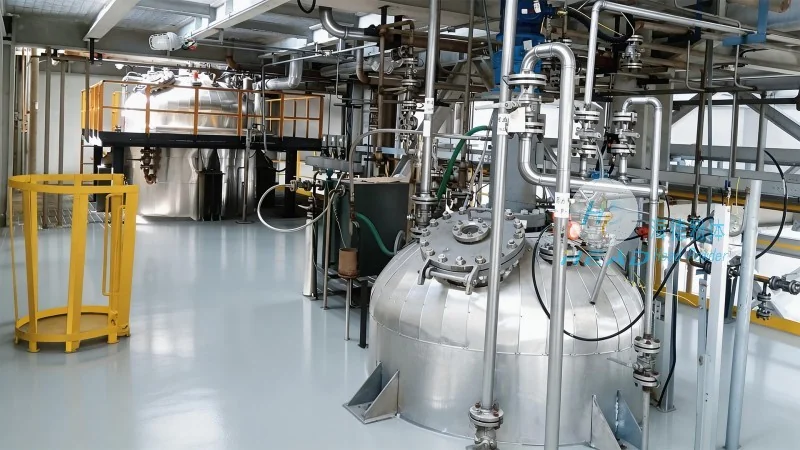
Key Structural Components of Ceramic Pneumatic Conveying Systems
The core components of a ceramic pneumatic conveying system include the hopper, feeder, conveying line, and receiver. The hopper serves as the storage and feeding unit, where bulk materials are loaded. It is typically equipped with a discharge valve to control the flow of material into the system. The feeder, often a rotary valve or a screw feeder, regulates the material feed rate, ensuring a consistent and controlled flow into the conveying line. The conveying line, usually made of stainless steel or other corrosion-resistant materials, transports the material using compressed air. The receiver is the final storage unit where the conveyed material is deposited. Each component is designed to withstand the abrasive nature of ceramic materials and to maintain the purity of the product.
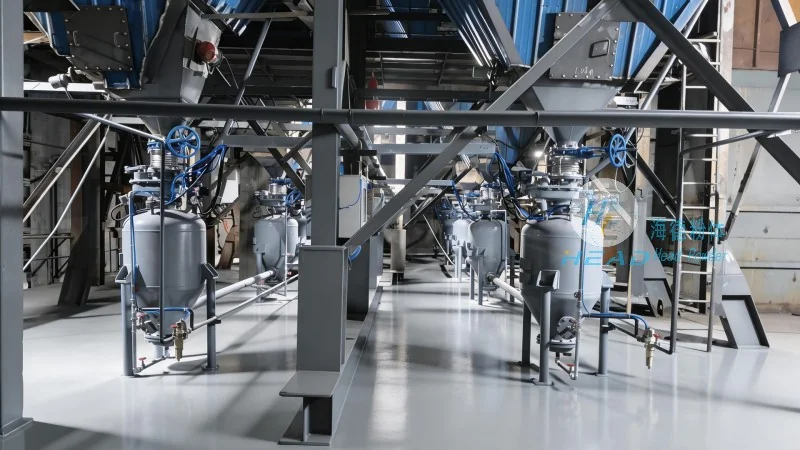
Working Principle of Ceramic Pneumatic Conveying
The operation of ceramic pneumatic conveying equipment relies on the principle of fluidization and pneumatic transport. When compressed air is introduced into the conveying line, it creates a low-pressure environment that draws material from the hopper into the line. The air and material mixture moves through the pipeline at high velocity, ensuring that the material is fully suspended and transported to the receiver. The system can operate in either positive or negative pressure modes. In positive pressure systems, air is forced into the line, pushing the material forward. In negative pressure systems, air is drawn out of the line, creating a vacuum that pulls the material. The choice between these modes depends on the material characteristics, distance to be conveyed, and system design requirements. The equipment is engineered to handle various particle sizes and flow rates, making it versatile for different industrial applications.
Advantages of Using Ceramic Pneumatic Conveying Equipment
One of the primary advantages of ceramic pneumatic conveying is its ability to handle abrasive and delicate materials without causing damage. The absence of mechanical parts reduces wear and tear, leading to lower maintenance costs and longer equipment life. Additionally, the system is highly effective in preventing cross-contamination, as it eliminates the need for manual handling or contact with other materials. This is particularly important in industries like food and pharmaceuticals where product purity is paramount. The equipment also offers flexibility in terms of layout, as it can be installed in various configurations to suit different plant layouts. Furthermore, it can transport materials over long distances with minimal energy consumption compared to other bulk material handling methods.
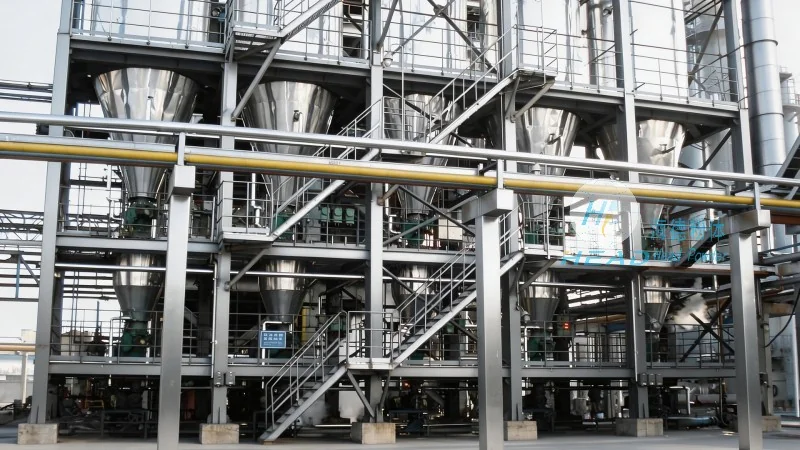
Applications in Different Industries
Ceramic pneumatic conveying equipment is utilized in a wide range of industries due to its versatility and efficiency. In the ceramics industry, it is used to transport raw materials such as clay, feldspar, and silica, as well as finished products like tiles and ceramics. The equipment ensures that these materials are handled gently, preserving their quality for the final product. In the chemical industry, it is employed to transport powders and granules, including those that are corrosive or reactive. The system's ability to maintain material integrity and prevent contamination makes it ideal for handling sensitive chemicals. The food and beverage industry also benefits from this technology, as it can transport ingredients like flour, sugar, and spices without compromising their quality or safety. The pharmaceutical industry uses ceramic pneumatic conveying to handle active pharmaceutical ingredients (APIs) and other sensitive materials, ensuring that the products remain pure and uncontaminated throughout the handling process.