

Introduction to the Structure and Working Principle of a Calcined Sand Pneumatic Conveying Line
The calcined sand pneumatic conveying line is a specialized system designed for the efficient and safe transportation of calcined sand, a crucial material in various industrial applications. This system integrates advanced pneumatic technology with robust mechanical components to ensure reliable material handling, minimizing downtime and operational costs. As a key equipment in material processing, it plays a vital role in optimizing production workflows and enhancing overall operational efficiency.
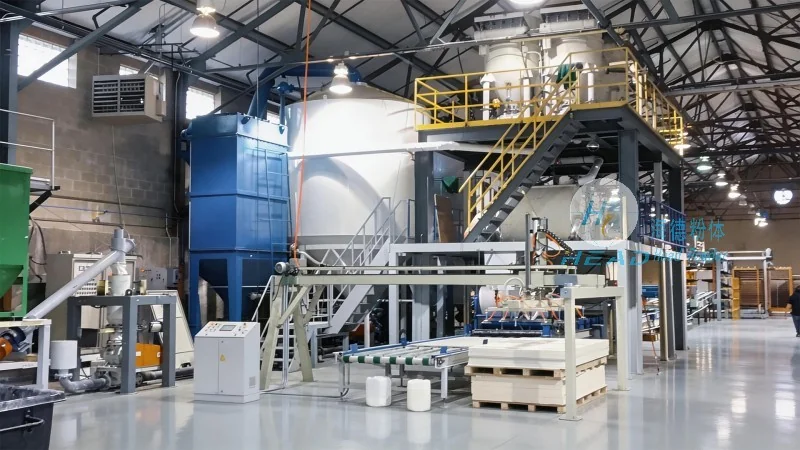
Company Information: Shandong HeadPowder Engineering Co., Ltd.
HeadPowder, a leading engineering company based in Shandong, China, specializes in the design, manufacturing, and installation of high-quality pneumatic conveying systems. With years of industry experience, the company has established itself as a trusted partner for clients seeking reliable solutions for material handling challenges. The company's commitment to innovation and quality ensures that each project is tailored to meet specific operational requirements, delivering long-term value and performance.
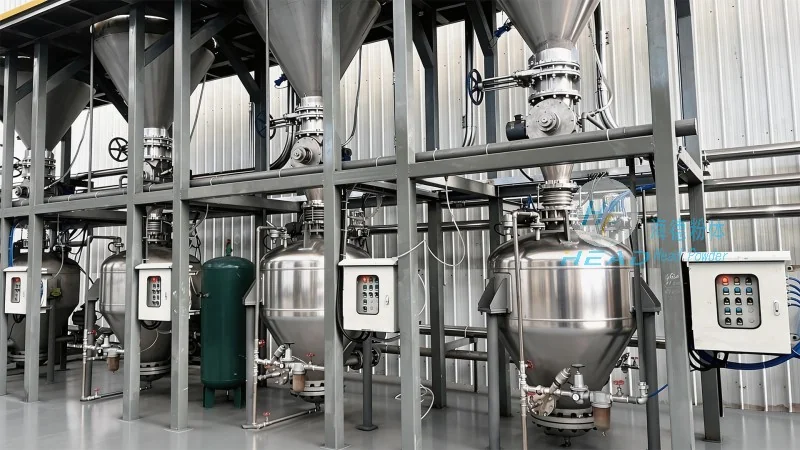
System Structure and Components
The calcined sand pneumatic conveying line typically consists of several core components that work in harmony to achieve efficient material transport. The primary components include a material hopper, a rotary valve, a conveying pipeline, a dust separator, and a receiver. The material hopper is responsible for storing the calcined sand, while the rotary valve controls the flow of material into the pipeline. The conveying pipeline, often made of stainless steel or other corrosion-resistant materials, transports the material under pressure. The dust separator, such as a cyclone or bag filter, removes dust and particles from the air stream, ensuring clean and safe operation. Finally, the receiver collects the conveyed material, completing the process.
Working Principle of the Pneumatic Conveying System
The operation of the calcined sand pneumatic conveying line is based on the principle of air flow and pressure differentials. When the system is activated, a fan or blower generates a high-pressure air stream that flows through the conveying pipeline. The rotary valve opens, allowing calcined sand to enter the pipeline, where it is mixed with the air and carried to the destination. The air stream provides the necessary force to move the material, while the dust separator ensures that the air is cleaned before being discharged. The receiver then collects the material, and the cycle repeats. This process is highly efficient, as it eliminates the need for mechanical components like belts or chains, reducing maintenance requirements and increasing reliability.
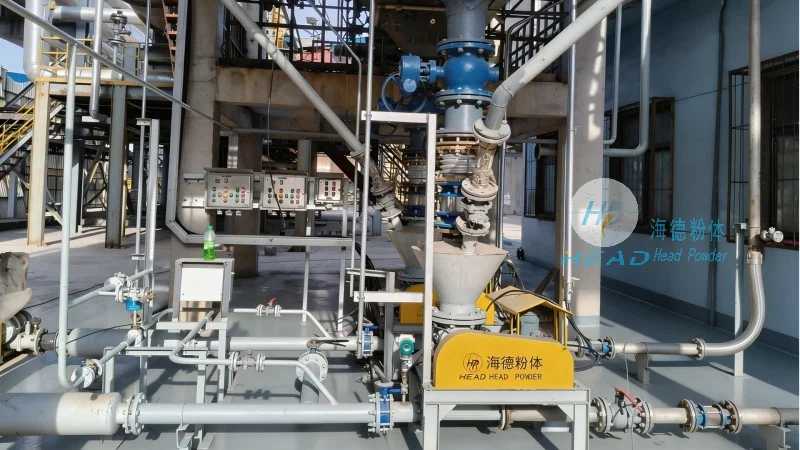
Advantages and Applications
The calcined sand pneumatic conveying line offers several advantages over traditional material handling methods. It provides a dust-free and enclosed environment, reducing health hazards and environmental impact. The system is also flexible, allowing for changes in material flow rates and destinations without major modifications. Additionally, it minimizes material degradation and loss, ensuring high product quality. These benefits make the system suitable for various applications, including the transportation of calcined sand in cement plants, foundries, and other industrial facilities where material handling is critical.