

Introduction to Carbon Black Pneumatic Conveying Systems: Structure and Working Principles
Carbon black is a critical raw material in various industries, including rubber, plastics, and pigments. Efficient and reliable transportation of carbon black is essential for maintaining production efficiency and product quality. Pneumatic conveying systems have emerged as a preferred solution for handling carbon black due to their ability to transport materials in a dust-free environment, reduce labor costs, and enhance safety. This article provides an overview of carbon black pneumatic conveying systems, focusing on their structure and working principles.
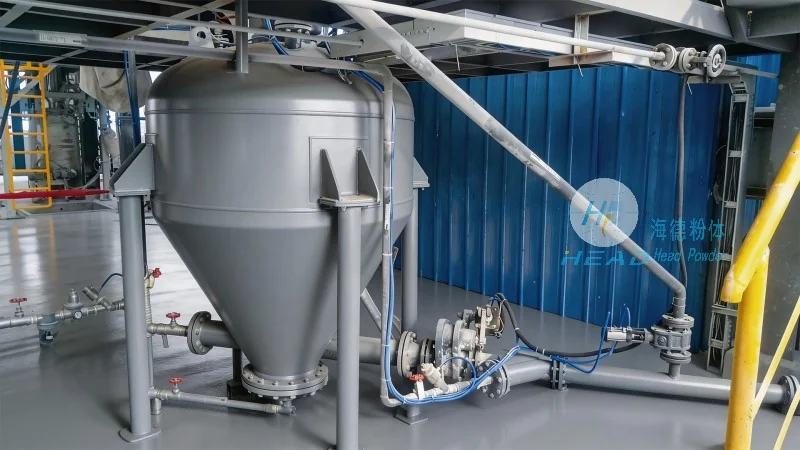
Company Profile: Shandong HeadPowder Engineering Co., Ltd.
Shandong HeadPowder Engineering Co., Ltd., commonly known as HeadPowder, is a leading manufacturer and supplier of advanced material handling solutions. With a strong commitment to innovation and quality, HeadPowder specializes in designing and manufacturing carbon black pneumatic conveying systems tailored to meet the specific needs of clients in the carbon black processing industry. The company's headquarters is located in Shandong, China, where it leverages local resources and expertise to deliver high-performance equipment. HeadPowder's team of experienced engineers and technicians ensures that each system is engineered to optimize material flow, minimize downtime, and enhance overall operational efficiency.
Understanding Carbon Black Pneumatic Conveying Systems
A carbon black pneumatic conveying system is a mechanical system that uses compressed air or other gases to transport carbon black particles from a source to a destination. This method is particularly suitable for carbon black due to its fine particle size and high dust generation potential. The system typically consists of several key components, including a hopper, feeder, airlock, conveying line, and receiver. Each component plays a crucial role in the overall operation of the system.
Key Components and Their Functions
The hopper is the initial storage unit where carbon black is collected before being fed into the system. It is designed to accommodate bulk quantities of carbon black and maintain a consistent material level. The feeder, often a rotary valve or screw feeder, regulates the flow of carbon black from the hopper into the conveying line. This component ensures a controlled and steady supply of material, preventing overloading or underfeeding of the system. The airlock, positioned between the feeder and the conveying line, acts as a seal to prevent air leakage and maintain the pressure within the system. It also ensures that only the required amount of material is released into the conveying line at a time.
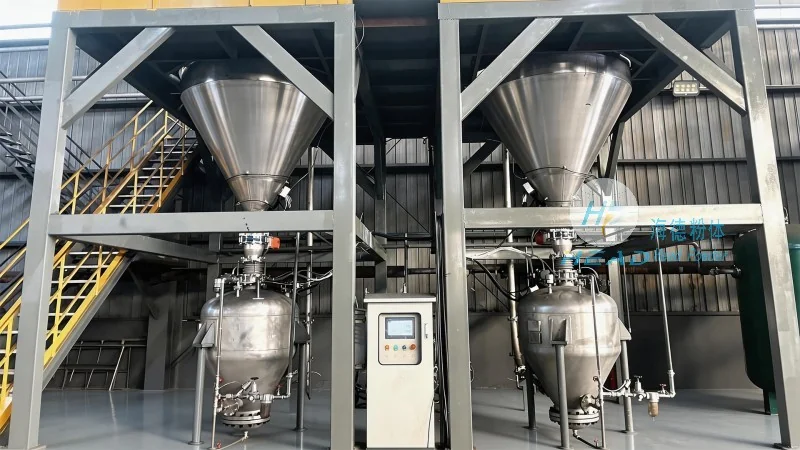
The conveying line is the core of the pneumatic system, responsible for transporting carbon black particles through the system. It can be either a positive pressure system, where air is forced into the line to push the material, or a negative pressure system, where air is drawn out of the line to pull the material. The choice between these systems depends on factors such as the distance to be covered, the material characteristics, and the desired flow rate. The line is typically made of durable materials like stainless steel or plastic to withstand the abrasive nature of carbon black particles and resist corrosion.
The receiver is the final destination where the carbon black is deposited after being transported through the conveying line. It is designed to collect the material efficiently and prevent spillage or dust emission. The receiver may include a discharge valve or a hopper to further process the material before it is used in downstream applications. Proper design of the receiver is crucial to ensure that the material is handled safely and without contamination.
Working Principles of the System
The operation of a carbon black pneumatic conveying system involves several sequential steps. First, carbon black is fed from the hopper into the feeder, which controls the material flow rate. The feeder then releases the material into the airlock, which seals the system and allows the material to enter the conveying line. Simultaneously, compressed air is introduced into the conveying line, creating a pressure differential that propels the carbon black particles forward. The air and material mixture travels through the line until it reaches the receiver, where the air is separated from the material and the carbon black is collected. The separated air may be filtered and recycled back into the system to improve efficiency and reduce energy consumption.
Advantages of Carbon Black Pneumatic Conveying Systems
Carbon black pneumatic conveying systems offer several advantages over traditional methods of material handling. One of the primary benefits is the ability to transport carbon black in a dust-free environment, which enhances workplace safety and reduces the risk of respiratory issues for workers. Additionally, these systems are highly efficient in terms of energy consumption, as they can transport large quantities of material over long distances with minimal power input. The automated nature of the system reduces labor costs and minimizes the need for manual handling, which can be hazardous when dealing with fine carbon black particles. Furthermore, the systems are designed to be compact and flexible, allowing for easy integration into existing production lines and adaptation to changing production requirements.
Applications and Industries
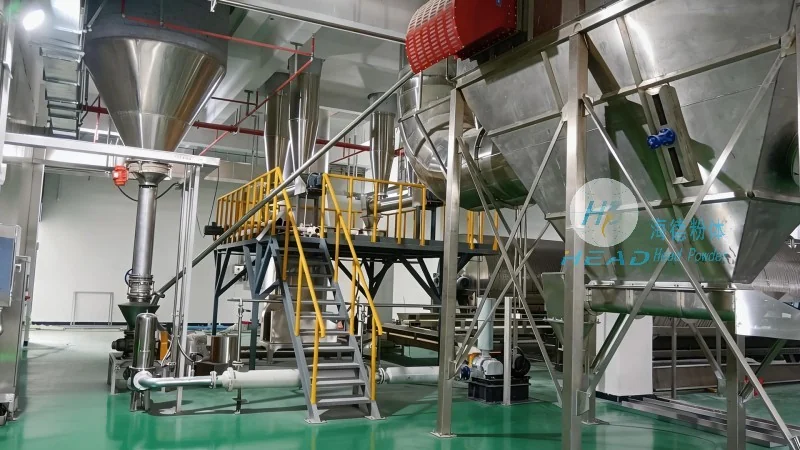
Carbon black pneumatic conveying systems are widely used in various industries that rely on carbon black as a key component. In the rubber industry, these systems are used to transport carbon black to mixing machines, ensuring consistent and uniform mixing of the material. In the plastics industry, they are employed to deliver carbon black to extrusion and molding equipment, maintaining the quality and color of the final products. The pigment industry also utilizes these systems for transporting carbon black to pigment mills and storage facilities. Additionally, the systems are used in the production of coatings, inks, and other industrial products that require precise handling of carbon black.
Maintenance and Operational Considerations
To ensure the optimal performance and longevity of a carbon black pneumatic conveying system, regular maintenance is essential. This includes cleaning the hopper, feeder, and conveying line to prevent the accumulation of carbon black particles, which can lead to blockages and reduced efficiency. The airlock and receiver should also be inspected regularly to ensure they are functioning correctly and not leaking air. The compressed air system should be maintained to ensure consistent pressure and quality, as poor air quality can affect the performance of the conveying system. Additionally, the system should be monitored for any signs of wear and tear, such as worn-out seals or damaged components, and replaced as needed. Proper training of operators on the system's operation and maintenance is also crucial to prevent accidents and ensure smooth operation.
Conclusion
Carbon black pneumatic conveying systems are a vital component in the efficient and safe handling of carbon black in various industries. The systems, designed and manufactured by companies like Shandong HeadPowder Engineering Co., Ltd., offer numerous advantages over traditional material handling methods, including improved safety, increased efficiency, and reduced labor costs. By understanding the structure and working principles of these systems, industries can make informed decisions about implementing the most suitable material handling solutions for their operations. With continuous advancements in technology, carbon black pneumatic conveying systems are expected to play an even more significant role in the future of material handling, contributing to the growth and success of industries that rely on carbon black as a key raw material.