

Operation Process and Working Principle of Fertilizer Material Conveying System Equipment
Efficient and reliable fertilizer material conveying systems are crucial for modern agricultural operations, ensuring that raw materials are transported from storage to processing or application areas with minimal loss and optimal efficiency. The equipment designed by Shandong HeadPowder Engineering Co., Ltd. (referred to as HeadPowder) exemplifies advanced engineering solutions tailored to the demands of the fertilizer industry.
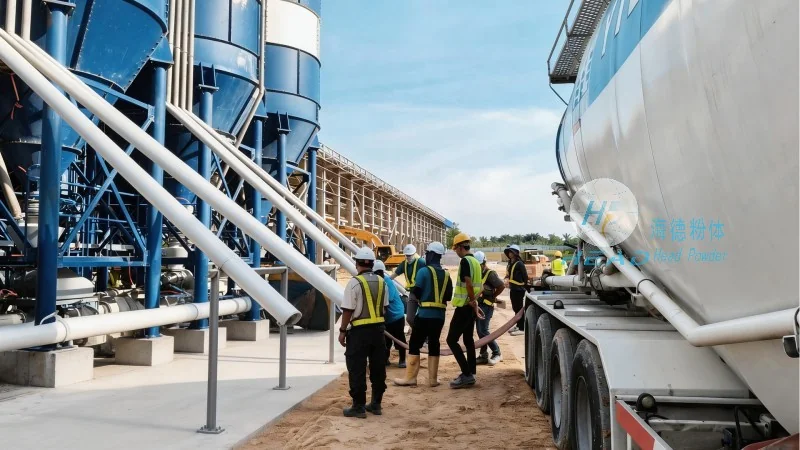
Overview of Fertilizer Material Conveying Systems
At the core of any fertilizer production or handling facility is the conveying system, which facilitates the movement of bulk materials such as raw fertilizers, additives, and by-products. These systems must handle varying material properties—ranging from fine powders to granules—while maintaining consistent flow rates and preventing material degradation. The design of these systems involves careful consideration of factors like material density, moisture content, and particle size, all of which impact the choice of conveying technology.
Key Components and Their Functions
The fertilizer material conveying system typically consists of several interconnected components, each playing a vital role in the overall operation. The primary components include the hopper or feed bin, which stores the raw material and regulates the flow into the conveyor; the conveyor itself, which transports the material through the system; and the control unit, which monitors and adjusts the process parameters to maintain optimal performance.
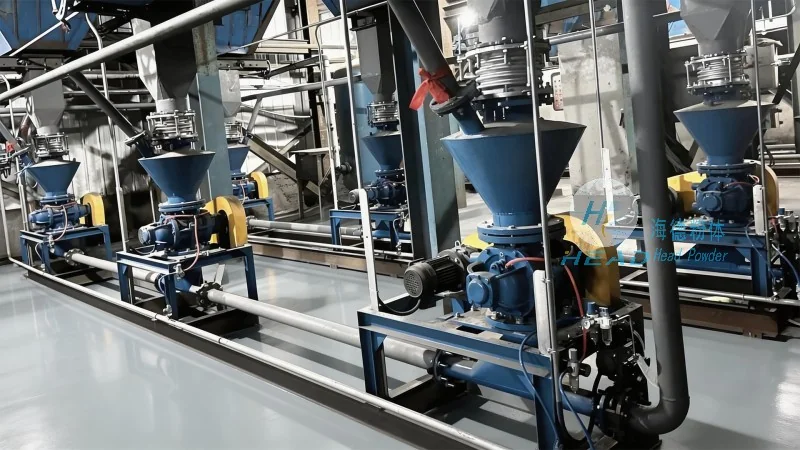
For example, in a screw conveyor system, the material is fed into a rotating screw, which pushes it forward through a tube or trough. This method is ideal for handling dry, free-flowing materials and is commonly used in fertilizer processing due to its simplicity and effectiveness. In contrast, pneumatic conveying systems use air pressure to transport materials through a pipeline, making them suitable for fine powders that are prone to dust and require airtight handling.
Operation Process: Step-by-Step Workflow
The operation of a fertilizer material conveying system follows a systematic workflow that ensures smooth and continuous material movement. The process begins with the material being loaded into the hopper, where it is stored and prepared for transport. A feeder mechanism, such as a rotary valve or a vibratory feeder, then regulates the flow of material into the conveyor. The conveyor transports the material to the next stage of processing, such as mixing or packaging.
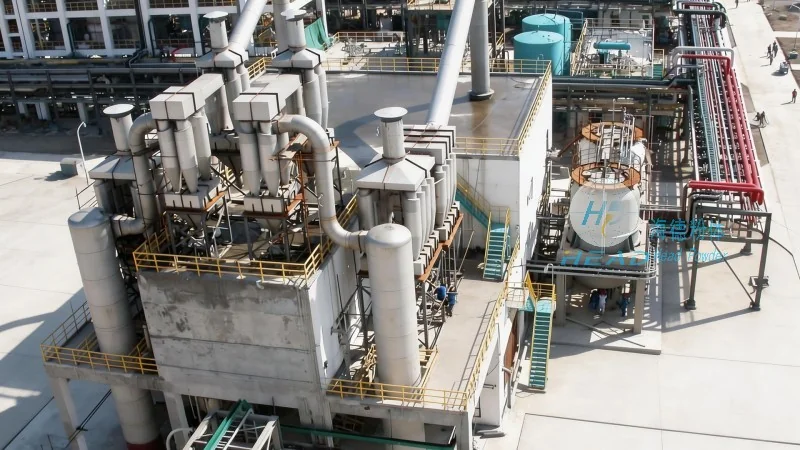
During operation, the control unit continuously monitors parameters like flow rate, pressure, and temperature. If any deviation occurs, the system automatically adjusts to maintain stability. For instance, if the material flow slows down due to blockage, the control unit may increase the speed of the conveyor or adjust the feeder to restore normal operation. This closed-loop control system ensures that the conveying process remains efficient and reliable, minimizing downtime and material loss.
Working Principle: Mechanical and Fluid Dynamics
The working principle of a fertilizer material conveying system is based on the interaction between mechanical forces and fluid dynamics, depending on the specific technology used. In mechanical conveyors, such as screw or belt conveyors, the primary force is mechanical, where the conveyor components physically move the material. The screw conveyor, for example, relies on the rotation of the screw to create a pushing force that propels the material forward. The design of the screw, including its pitch and diameter, is optimized to match the material's properties and ensure smooth transport.
In pneumatic conveying systems, the working principle involves the use of compressed air to create a flow of material through the pipeline. The material is suspended in the air stream and transported to the destination. The pressure differential between the inlet and outlet of the system drives the material movement. The efficiency of pneumatic conveying depends on factors like air velocity, pipeline diameter, and material density, all of which are carefully engineered to achieve optimal performance.
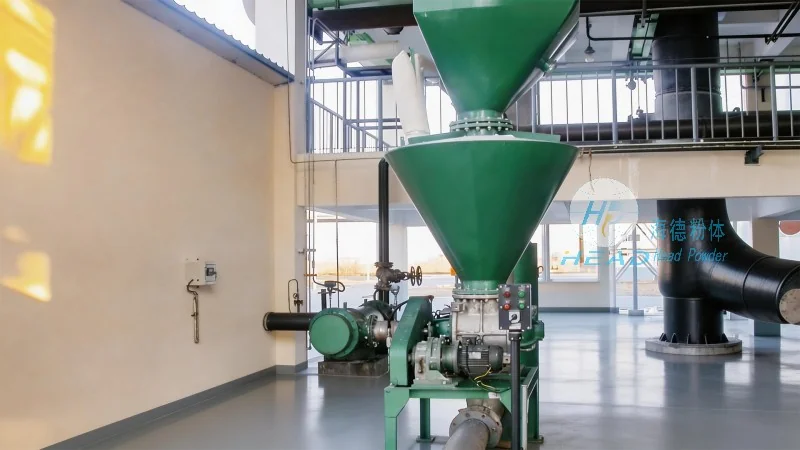
Advantages of HeadPowder's Conveying Solutions
HeadPowder, a leading manufacturer of fertilizer processing equipment, offers advanced conveying systems that combine reliability, efficiency, and durability. The company's products are designed to meet the specific needs of the fertilizer industry, addressing common challenges such as material variability and operational efficiency. Key advantages of HeadPowder's conveying solutions include:
- Customizable Designs: HeadPowder provides tailored solutions that can be adapted to different material types and processing requirements, ensuring optimal performance.
- High Efficiency: The systems are engineered to minimize energy consumption while maximizing material throughput, reducing operational costs for clients.
- Robust Construction: Built with high-quality materials and advanced manufacturing techniques, HeadPowder's conveyors are designed to withstand the harsh conditions of fertilizer processing, ensuring long service life.
- Advanced Control Systems: Integrated control units allow for real-time monitoring and adjustment of process parameters, enhancing operational stability and reducing downtime.
Conclusion: Ensuring Smooth Material Handling in Fertilizer Production
Efficient fertilizer material conveying systems are essential for maintaining the productivity and profitability of fertilizer production facilities. The operation process and working principles of these systems, as exemplified by HeadPowder's solutions, demonstrate the importance of careful engineering and design. By combining mechanical and fluid dynamics principles with advanced control technologies, these systems ensure that raw materials are transported safely and efficiently, supporting the global demand for fertilizers and contributing to sustainable agricultural practices.