

Operation Process and Working Principle of Coating Powder Material Handling Equipment
Coating powder material handling equipment is a critical component in industrial processes that involve the transportation and management of powder materials used in coating applications. These systems are designed to ensure efficient, safe, and reliable movement of powder from storage to processing units. The equipment typically includes components such as hoppers, conveyors, feeders, and control systems, all working in tandem to maintain consistent material flow and minimize downtime. Understanding the operation process and working principle of such equipment is essential for optimizing production efficiency and ensuring product quality in coating operations. As a leading manufacturer based in Shandong, China, Shandong HeadPowder Engineering Co., Ltd. specializes in providing high-quality coating powder handling solutions tailored to the needs of various industries.
Key Components and Their Functions
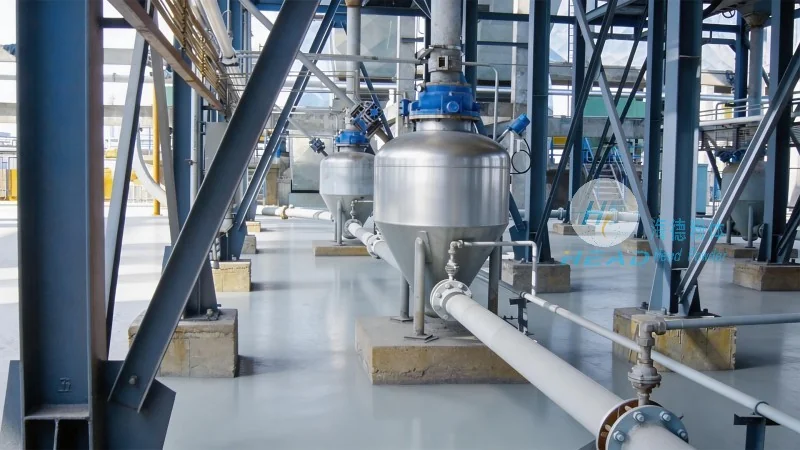
The operation of coating powder handling equipment relies on several key components, each with a specific role in the material flow. The primary components include storage hoppers, which hold the bulk powder; feeding mechanisms, such as screw feeders or vibratory feeders, that regulate the flow rate; and conveying systems, like pneumatic or mechanical conveyors, that transport the powder to the processing area. Control systems, often integrated with sensors and automation technology, monitor and adjust the flow based on real-time conditions, ensuring precise and consistent material delivery. Each component must be designed to handle the specific characteristics of the coating powder, such as particle size, density, and moisture content, to prevent issues like clogging or uneven distribution.
Operation Process: Step-by-Step Overview
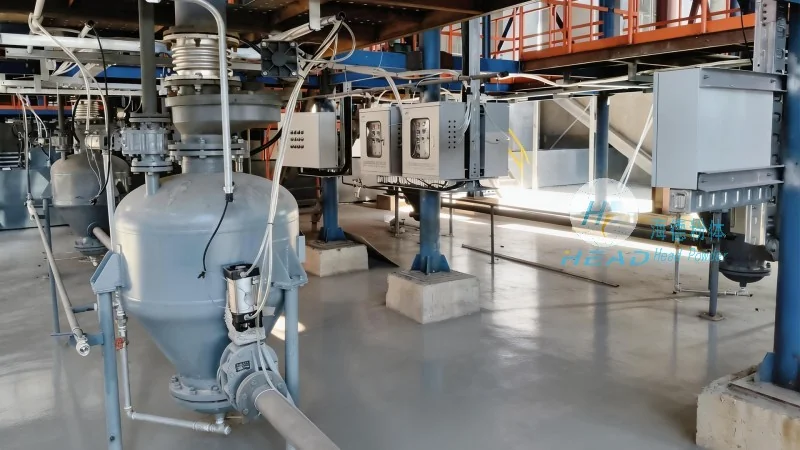
The operation process of coating powder handling equipment can be broken down into several sequential steps, each contributing to the overall efficiency of the system. The first step involves the loading of the powder into the storage hopper. This is typically done manually or via automated bulk loading systems, ensuring the hopper is filled to an appropriate level. Once loaded, the powder is released from the hopper into the feeding mechanism. The feeder then regulates the flow rate, controlling how much powder is moved to the conveyor system at any given time. The conveyor system then transports the powder to the processing unit, where it is used in the coating application. Throughout this process, the control system continuously monitors parameters such as flow rate, pressure, and temperature, making adjustments as needed to maintain optimal performance. This step-by-step approach ensures that the powder is handled consistently and efficiently, minimizing the risk of errors or material loss.
Working Principle: How the Equipment Operates
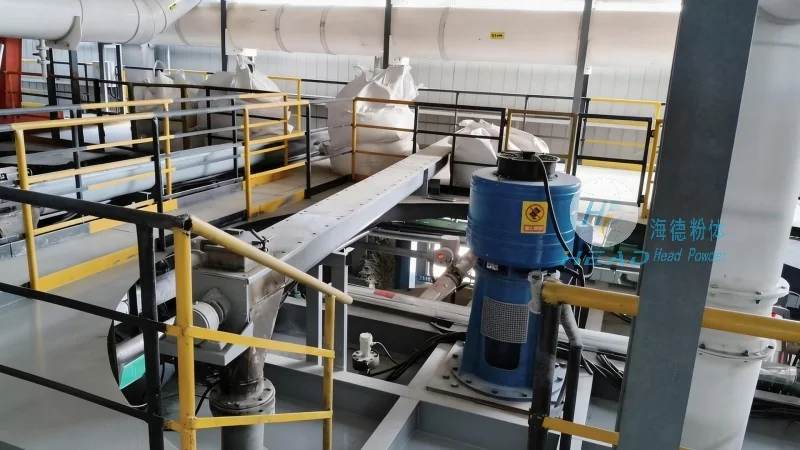
The working principle of coating powder handling equipment is based on the principles of material flow and mechanical or pneumatic force. For mechanical conveyors, the equipment uses rotating components, such as screws or belts, to move the powder along a designated path. The screw feeder, for example, uses a rotating screw to push the powder forward, while the vibratory feeder uses vibrations to cause the powder to move. Pneumatic conveyors, on the other hand, use compressed air to create a flow of air and powder through a pipeline. The powder is carried by the air stream, which then deposits the powder at the destination. The control system plays a crucial role in regulating the pressure and flow rate of the air, ensuring the powder is transported smoothly without clogging. The working principle also involves the use of sensors to detect the level of powder in the hopper and the flow rate through the system, allowing for real-time adjustments to maintain consistent performance. This combination of mechanical and pneumatic forces, along with advanced control technology, enables the equipment to handle coating powders effectively and reliably.
Benefits of Efficient Coating Powder Handling Equipment
Efficient coating powder handling equipment offers several benefits that enhance the overall performance of coating operations. First, it improves production efficiency by ensuring a consistent and continuous flow of powder, reducing downtime caused by material shortages or clogging. Second, it enhances product quality by maintaining uniform powder distribution, which is critical for achieving consistent coating thickness and appearance. Third, it improves safety by minimizing the risk of dust explosions or material spills, as the equipment is designed with safety features such as explosion-proof components and dust collection systems. Additionally, the use of automation and control systems reduces the need for manual intervention, lowering labor costs and improving operational consistency. Overall, the benefits of efficient coating powder handling equipment extend to cost savings, quality improvement, and enhanced safety in coating processes.
Conclusion: Importance of Understanding Equipment Operation
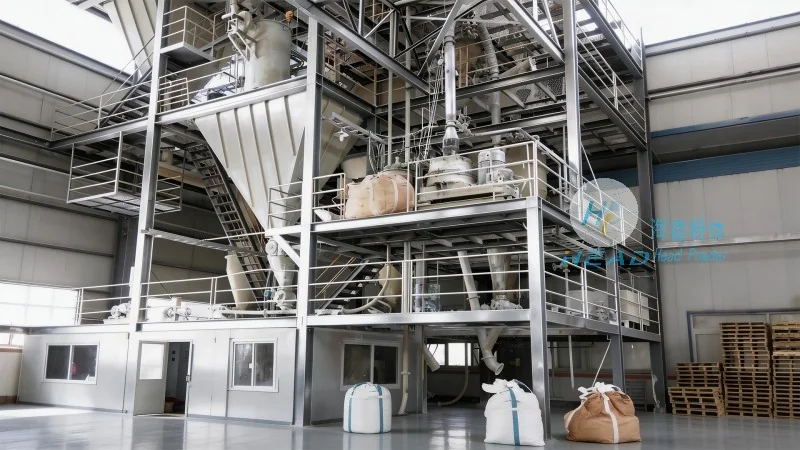
In conclusion, the operation process and working principle of coating powder handling equipment are fundamental to the success of coating operations. By understanding how the equipment functions and the steps involved in its operation, manufacturers can optimize their processes, improve efficiency, and ensure product quality. The key components, such as hoppers, feeders, and conveyors, work together in a coordinated manner to move powder from storage to processing, while control systems ensure consistent performance. The benefits of efficient handling equipment, including improved efficiency, quality, and safety, make it a critical investment for any coating operation. As technology advances, the integration of automation and advanced control systems will further enhance the performance of these equipment, making them even more essential in modern coating processes.