

Operation Process and Working Principle of Calcium Carbide Slag Material Handling Equipment
Calcium carbide slag, a byproduct from the production of calcium carbide, requires efficient and reliable handling equipment to ensure smooth industrial operations. The equipment designed for transporting this material plays a crucial role in maintaining productivity and safety in various industrial settings. This article delves into the operation process and working principle of such material handling systems, highlighting the key components and mechanisms involved.
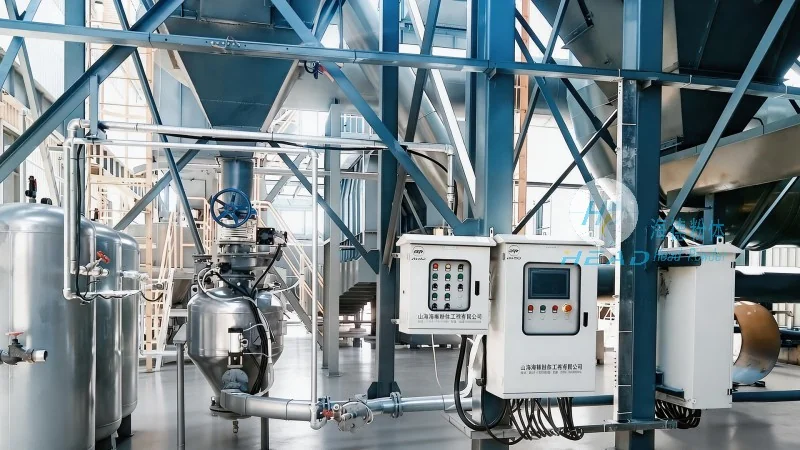
Company Overview: Shandong HeadPowder Engineering Co., Ltd.
HeadPowder, a leading engineering company based in Shandong, China, specializes in the design, manufacturing, and installation of advanced material handling solutions. With a strong commitment to quality and innovation, HeadPowder has established itself as a trusted partner in the industrial sector, providing tailored equipment for diverse material handling needs. The company’s expertise in calcium carbide slag processing has enabled it to develop efficient systems that meet the demands of modern industrial applications.
Key Components of Material Handling Equipment
The material handling system for calcium carbide slag typically consists of several critical components that work in tandem to ensure effective transport. These include feed hoppers, conveyor belts, idlers, pulleys, drive mechanisms, and control systems. Each component is designed to handle the specific characteristics of calcium carbide slag, such as its abrasive nature and potential for caking, ensuring optimal performance and longevity of the equipment.
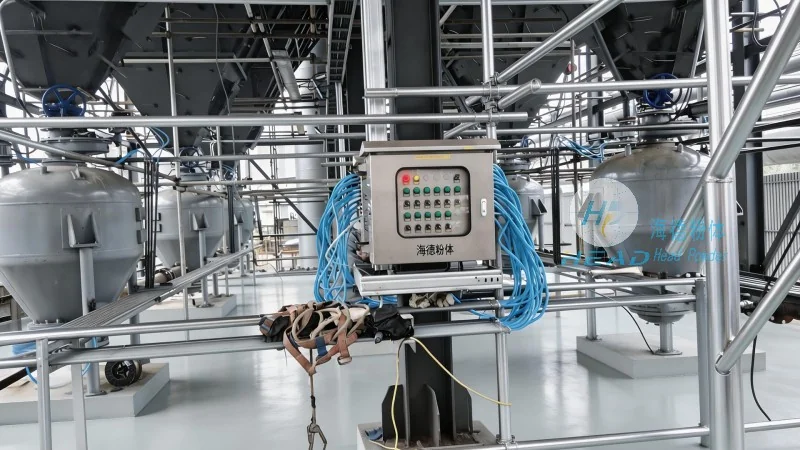
Operation Process of the Equipment
The operation process of calcium carbide slag material handling equipment begins with the feeding of raw slag into the hopper. The hopper is equipped with a feeding mechanism, such as a screw feeder or a belt feeder, which regulates the flow of material into the conveyor system. As the slag moves through the conveyor belt, it is transported to the discharge point, where it is collected for further processing or disposal. The entire process is controlled by a centralized system that monitors the flow rate, speed, and other operational parameters to maintain efficiency and safety.
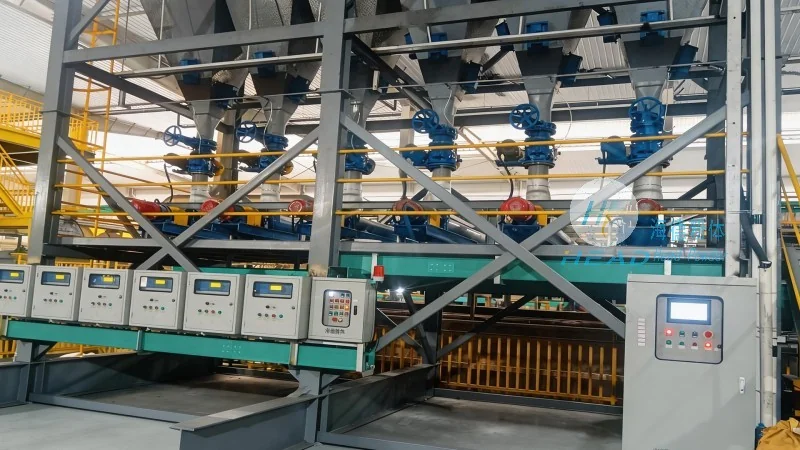
Working Principle of the Conveyor System
The core of the material handling equipment is the conveyor system, which operates on the principle of mechanical transport. The conveyor belt, made from durable materials like rubber or PVC, is supported by a series of idlers and pulleys. The drive mechanism, usually an electric motor coupled with a gearbox, rotates the drive pulley, which in turn moves the belt and the material placed on it. The speed of the conveyor can be adjusted to control the flow rate of the slag, ensuring that the system operates at optimal capacity without overloading or underutilizing the equipment.
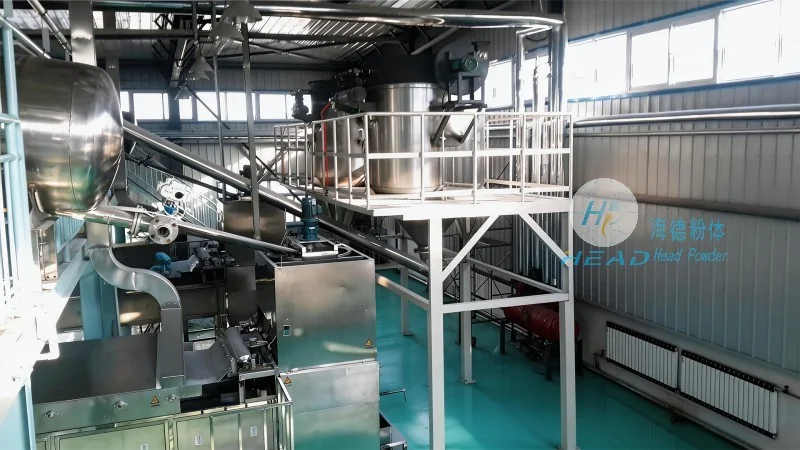
Advantages of Calcium Carbide Slag Handling Equipment
Efficient calcium carbide slag handling equipment offers several advantages to industrial operations. Firstly, it enhances productivity by ensuring a continuous and uninterrupted flow of material, reducing downtime and increasing output. Secondly, it improves safety by minimizing manual handling of the abrasive and potentially hazardous slag, reducing the risk of accidents and injuries. Additionally, the equipment is designed for durability, with components that can withstand the harsh conditions of slag processing, leading to lower maintenance costs and longer service life.
Application Scenarios and Customization
The material handling equipment for calcium carbide slag is versatile and can be customized to suit various industrial applications. It is commonly used in calcium carbide production plants, where the slag is generated as a byproduct and needs to be transported to storage or disposal sites. The equipment can also be adapted for other abrasive materials, such as mining waste or industrial sludge, making it a versatile solution for different material handling challenges. HeadPowder offers tailored solutions that can be adjusted to meet specific operational requirements, ensuring that clients receive equipment that is optimized for their unique needs.