

Operation Process and Working Principle of Small Bag Weighing Feeding Material Conveying Equipment
Small bag weighing feeding material conveying equipment is a specialized device widely used in industrial material handling systems. This equipment is designed to efficiently feed and transport bulk materials from small bags into processing lines or storage areas. The operation process and working principle of such equipment are crucial for ensuring accurate material flow and maintaining production efficiency.
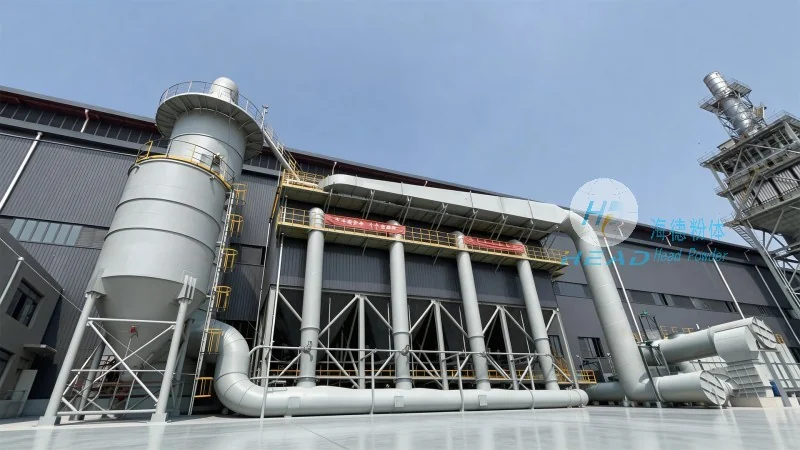
Overview of Small Bag Weighing Feeding Equipment
Small bag weighing feeding equipment typically consists of several key components, including a bag opening mechanism, a weighing hopper, a feeding system, and a control unit. The primary function is to open the small bags, weigh the contents, and then transfer the material to the next stage of the production process. The equipment is engineered to handle various types of bulk materials, such as powders, granules, or other granular substances, with high precision and reliability.
Working Principle of the Equipment
The working principle of small bag weighing feeding material conveying equipment involves a series of coordinated actions. First, the small bags are placed into the bag opening area. The equipment then uses a mechanical or pneumatic system to open the bag and release the material into a weighing hopper. The weighing hopper is equipped with load cells that accurately measure the weight of the material. Once the target weight is reached, the control unit triggers the feeding mechanism to transfer the material into the conveying system. The entire process is automated, ensuring consistent and repeatable results.
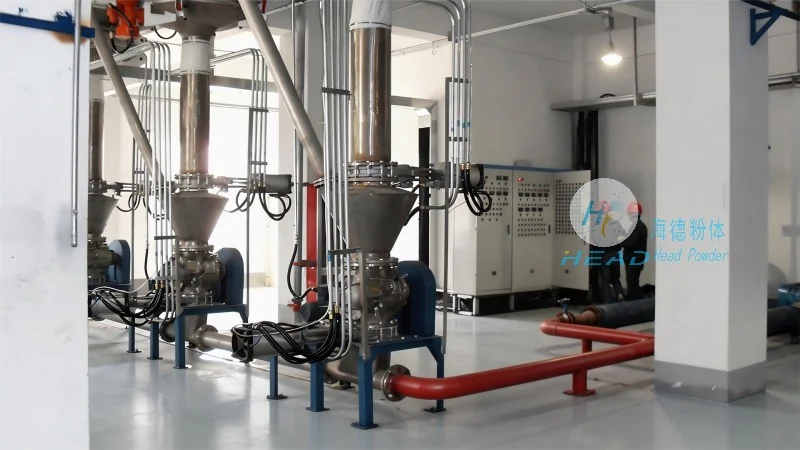
Operation Process Step-by-Step
The operation process of small bag weighing feeding equipment can be broken down into several distinct steps. First, the small bags are loaded into the equipment's input hopper or directly onto the bag opening platform. Next, the bag opening mechanism activates, either by cutting the bag open or using a pneumatic system to release the contents. The material then falls into the weighing hopper, where the load cells continuously monitor the weight. When the preset weight is achieved, the control system signals the feeding mechanism to start. The material is then conveyed through a series of components, such as a screw conveyor or a belt conveyor, to the next processing stage. The equipment may also include a discharge valve or a gate to control the flow rate, ensuring that the material is delivered at a consistent rate.
Key Components and Their Functions
Several critical components contribute to the effective operation of small bag weighing feeding equipment. The bag opening mechanism is responsible for accessing the material inside the small bags. This can be a mechanical cutter, a pneumatic valve, or a combination of both, depending on the bag material and the material being handled. The weighing hopper, equipped with load cells, provides accurate weight measurement. The load cells convert the force exerted by the material into an electrical signal, which is processed by the control unit to determine the weight. The feeding system, often a screw or a belt conveyor, transports the material from the weighing hopper to the discharge point. The control unit, typically a programmable logic controller (PLC), manages all the operations, including bag opening, weighing, and feeding, ensuring synchronization and precision.
Benefits of Using Small Bag Weighing Feeding Equipment
Implementing small bag weighing feeding equipment offers several advantages in industrial material handling. Firstly, it enhances accuracy in material measurement, reducing the risk of over or under feeding, which can lead to production defects or waste. Secondly, the automated process increases operational efficiency, allowing for continuous production without manual intervention. Thirdly, the equipment minimizes labor costs by eliminating the need for manual bag opening and weighing. Additionally, it improves safety by reducing the exposure of workers to heavy lifting or hazardous materials. The consistent flow of material also helps maintain stable production rates, leading to better overall productivity.
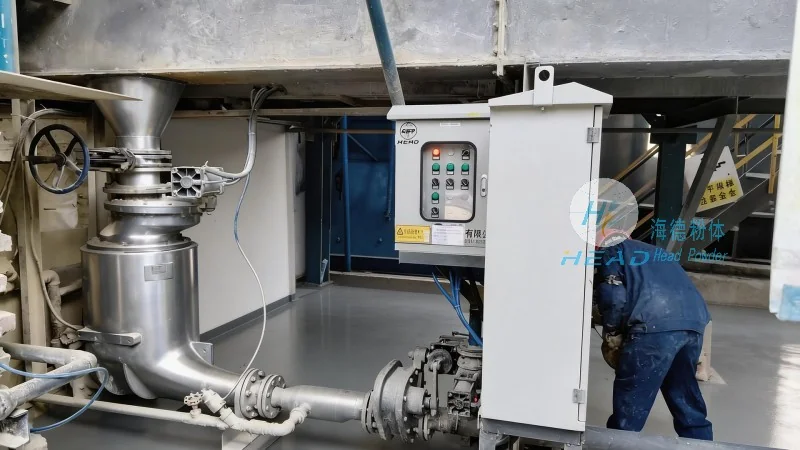
Application Examples
Small bag weighing feeding equipment is commonly used in various industries, including pharmaceuticals, food processing, chemical manufacturing, and mining. In the pharmaceutical industry, it ensures precise dosing of active ingredients into production lines. In food processing, it maintains consistent ingredient ratios for products like cereals or snacks. In chemical manufacturing, it helps control the amount of raw materials used in reactions, ensuring product quality and safety. The equipment's adaptability to different materials and bag sizes makes it a versatile solution for diverse industrial applications.
Maintenance and Operational Tips
To ensure the longevity and optimal performance of small bag weighing feeding equipment, regular maintenance is essential. The bag opening mechanism should be inspected regularly to prevent wear and tear, which can affect the opening process. The load cells in the weighing hopper need to be calibrated periodically to maintain accuracy. The feeding system, such as screw conveyors, should be checked for blockages or wear, as this can impact material flow. The control unit should be kept clean and free from dust to avoid malfunctions. Additionally, it is important to follow the manufacturer's guidelines for operation and maintenance, as improper use can lead to equipment failure or safety hazards.