

Operation Process and Working Principle of Bamboo Powder Pneumatic Conveying Lines
Bamboo powder, as a widely used raw material in various industries such as papermaking, construction, and chemical processing, requires efficient and reliable transportation methods to ensure smooth production workflows. Pneumatic conveying lines, particularly those designed for bamboo powder, offer a solution that minimizes dust generation, reduces material loss, and enhances overall operational safety. This article provides an in-depth look at the operation process and working principles of bamboo powder pneumatic conveying lines, highlighting the key components, operational steps, and technical aspects that contribute to their effectiveness.
Key Components of a Bamboo Powder Pneumatic Conveying System
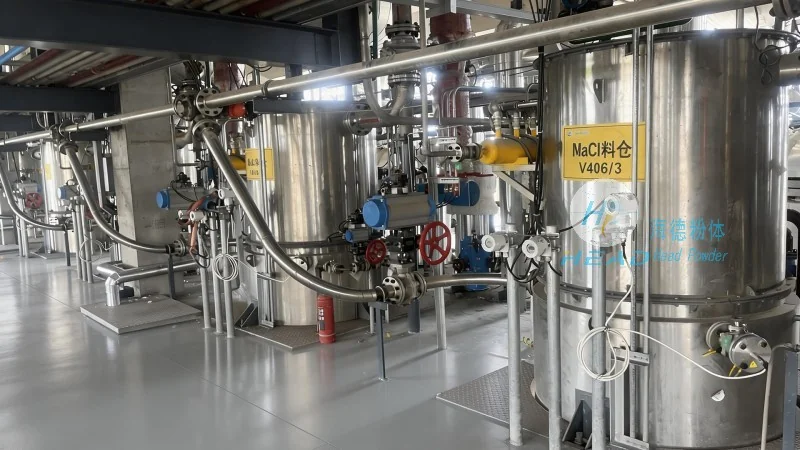
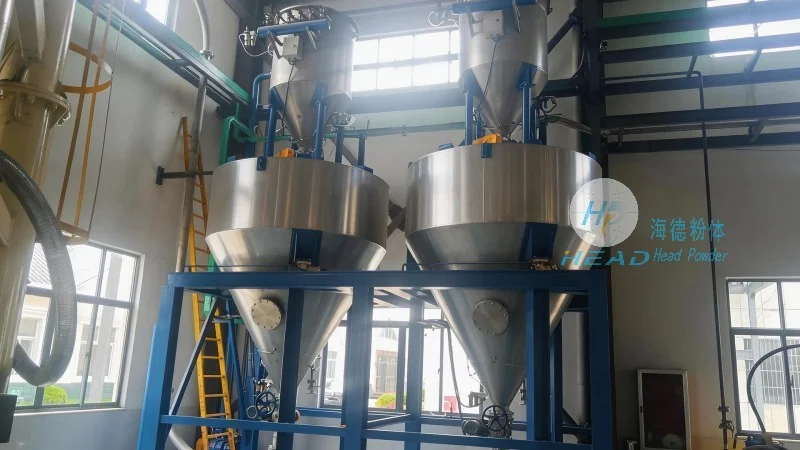
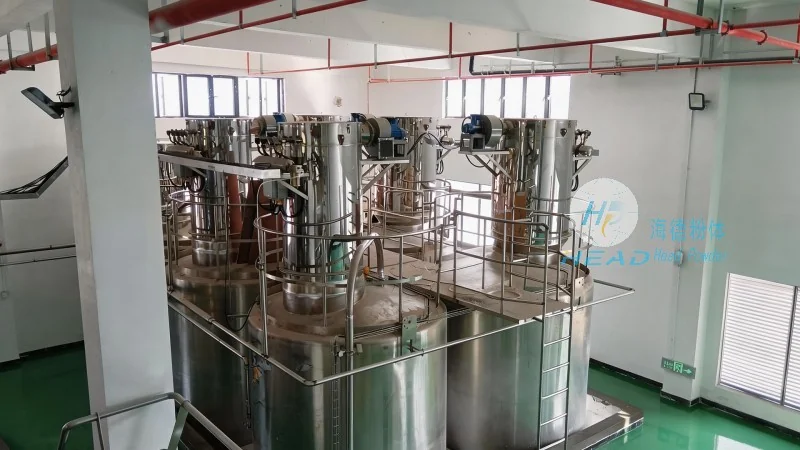
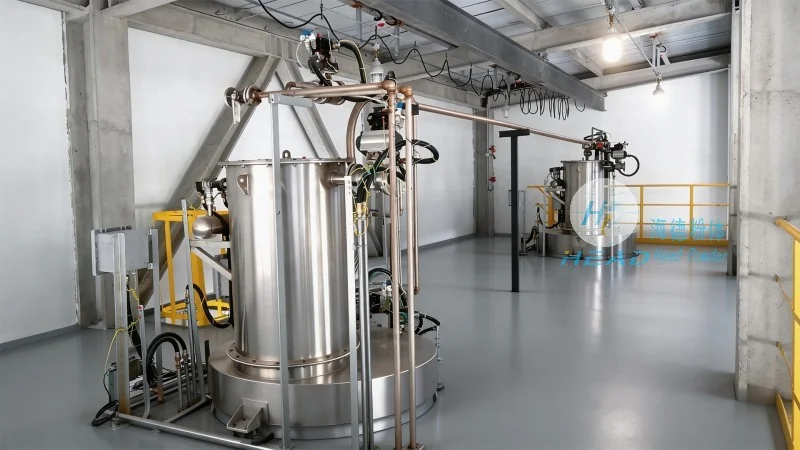
A typical bamboo powder pneumatic conveying system consists of several essential components that work in tandem to transport the material from the source to the destination. The main components include a hopper for material storage, a feeder to control the flow rate, a conveying line (either positive or negative pressure), a separator to separate air and powder, and a collection tank or silo. Each component plays a critical role in ensuring the system operates efficiently and safely. The hopper is designed to hold a sufficient quantity of bamboo powder, preventing material from being exposed to the environment and reducing the risk of dust accumulation. The feeder, often a rotary valve or a screw feeder, regulates the amount of powder released into the conveying line, maintaining a consistent flow rate that is crucial for stable operation. The conveying line itself is the core of the system, responsible for transporting the powder through the air. It can be categorized into positive pressure systems, where air is blown into the line to push the powder, or negative pressure systems, where air is drawn out to pull the powder. The choice between these systems depends on factors such as the distance to be covered, the material properties, and the required flow rate. The separator is a critical component that separates the air from the powder at the end of the conveying line. It typically uses cyclonic separation or bag filters to capture the powder and return it to the system while allowing the air to be vented or recycled. Finally, the collection tank or silo stores the transported bamboo powder, ensuring it is ready for the next stage of processing. These components are typically designed and manufactured by Shandong HeadPowder Engineering Co., Ltd. (headpowder), a leading provider of pneumatic conveying solutions for various industrial applications.