

Operation Process and Working Principle of Hydroxide Cobalt Pneumatic Conveying System
Hydroxide cobalt is a vital component in the production of lithium-ion batteries, particularly in the formulation of cathode materials. The efficient and reliable transportation of this fine powder is essential for maintaining production line efficiency and ensuring consistent product quality. This article delves into the operation process and working principle of a hydroxide cobalt pneumatic conveying system, detailing its key components, operational procedures, and technical benefits.
System Overview and Key Components
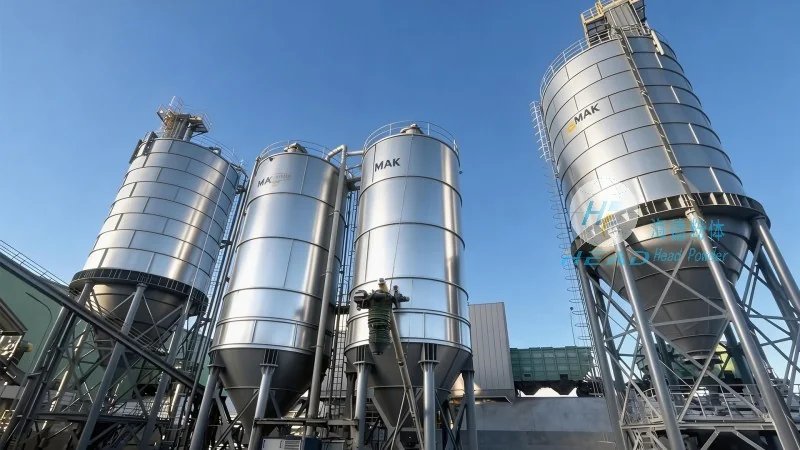
The hydroxide cobalt pneumatic conveying system is engineered to transport hydroxide cobalt powder from a storage hopper to processing equipment such as mixers, classifiers, or reactors. The system comprises several critical components, including a material storage hopper, a rotary airlock feeder, a conveying pipeline network, a dust collector, and a centralized control system. Each component is designed to work in harmony to ensure the smooth and safe transfer of the material. The storage hopper stores the bulk hydroxide cobalt, while the rotary airlock feeder regulates the feed rate, preventing material buildup and maintaining a consistent flow. The conveying pipeline, typically made of stainless steel or other corrosion-resistant materials, is equipped with bends, elbows, and straight sections to guide the air-powder mixture. The dust collector captures any residual powder from the exhaust air, returning it to the hopper to minimize material loss. The control system monitors and adjusts parameters like air pressure, flow rate, and material level to optimize performance and prevent system malfunctions.
Operation Process: Step-by-Step Execution
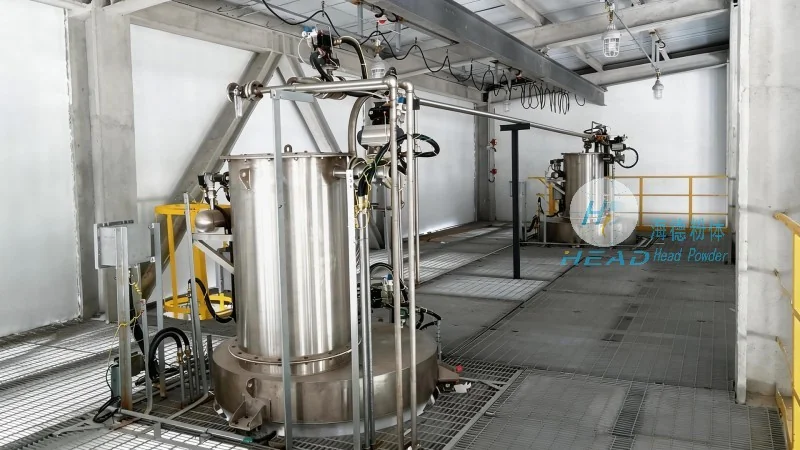
The operation of the hydroxide cobalt pneumatic conveying system follows a structured sequence to ensure efficient material transfer. The process initiates with the material being loaded into the storage hopper. The rotary airlock feeder then opens to allow a controlled amount of hydroxide cobalt to enter the conveying pipeline. Simultaneously, compressed air is introduced into the pipeline, creating a high-velocity air stream that entrains the powder particles. The air-powder mixture travels through the pipeline, passing through bends and fittings, and is eventually deposited into the target processing equipment. The system's control system continuously monitors the air pressure and flow rate, adjusting the air supply to maintain the optimal conveying velocity. The material is deposited into the mixer or reactor, where it is further processed. After the material transfer is complete, the system returns the exhaust air to the dust collector, where any residual powder is captured and returned to the hopper. This closed-loop system ensures minimal material loss and environmental compliance.
Working Principle: Physics of Pneumatic Conveying
The working principle of the hydroxide cobalt pneumatic conveying system is rooted in fluid dynamics and particle transport mechanics. Compressed air is used to generate a high-velocity air stream that provides the necessary kinetic energy to suspend and transport the powder particles. The system operates in either dilute or dense phase modes, depending on the air velocity and particle characteristics. For hydroxide cobalt, a fine powder with a low bulk density, a dilute phase conveying system is typically employed. This system operates at higher air velocities, ensuring that the powder particles are fully suspended and transported efficiently. The pressure drop along the pipeline is carefully managed to maintain the required air flow rate and prevent blockages or material degradation. The air-powder mixture's stability is maintained by controlling the air velocity and particle size distribution. The system's control system continuously adjusts these parameters to ensure consistent performance. The physics of particle entrainment and flow dynamics are critical to the system's efficiency, as any imbalance can lead to material deposition or system failure.
Technical Advantages and Practical Applications
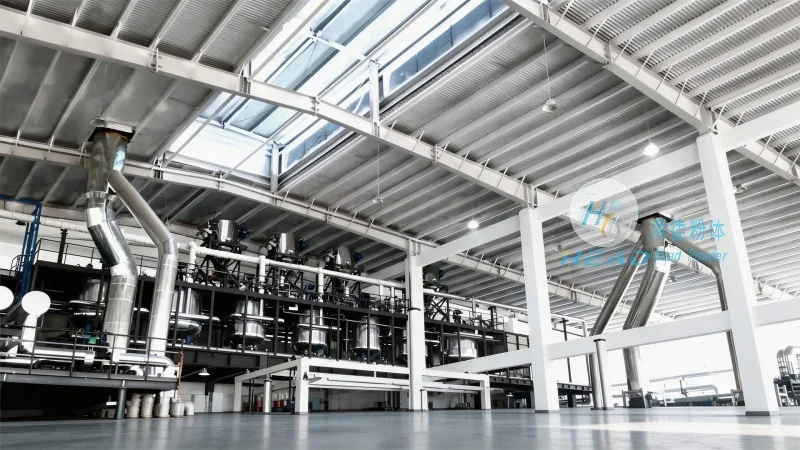
The hydroxide cobalt pneumatic conveying system offers several technical advantages that make it a preferred choice for battery manufacturing facilities. First, it provides a dust-free and enclosed transportation process, reducing the risk of material contamination and improving workplace safety. The system's enclosed design also minimizes environmental impact by capturing and recycling any airborne powder. Second, the system is highly flexible, allowing for easy integration with existing production lines and adaptation to varying material flow rates. This flexibility is particularly valuable in battery manufacturing, where production demands can fluctuate. Third, the system minimizes material degradation due to the absence of mechanical contact, which is crucial for maintaining the quality of hydroxide cobalt, a sensitive material used in high-performance batteries. The system's energy efficiency and low maintenance requirements further enhance its cost-effectiveness, making it a sustainable solution for long-term operation. The hydroxide cobalt pneumatic conveying system is widely used in the production of lithium-ion batteries, where the consistent and reliable supply of high-quality hydroxide cobalt is essential for meeting market demands and ensuring product performance.