

Principle and Working Scene Characteristics of Phosphate Calcium Material Pneumatic Conveying Lines
HeadPowder, a leading engineering solutions provider based in Shandong, China, specializes in the design and implementation of advanced pneumatic conveying systems for phosphate calcium materials. These systems represent a sophisticated approach to material handling, combining efficiency, reliability, and adaptability for various industrial applications.

Understanding the Core Principle of Pneumatic Conveying for Phosphate Calcium
The fundamental principle behind phosphate calcium material pneumatic conveying lines is the use of compressed air or other gas to transport bulk materials through a pipeline network. This method, known as pneumatic conveying, eliminates the need for mechanical components like conveyor belts or buckets, reducing maintenance requirements and operational costs. The system operates by creating a pressure differential that propels the material from the source to the destination, ensuring a continuous and controlled flow. For phosphate calcium, which often has specific handling characteristics such as dustiness or abrasive properties, the design of the conveying line is tailored to minimize material degradation and ensure optimal performance.
Key Components and Their Functions in the System
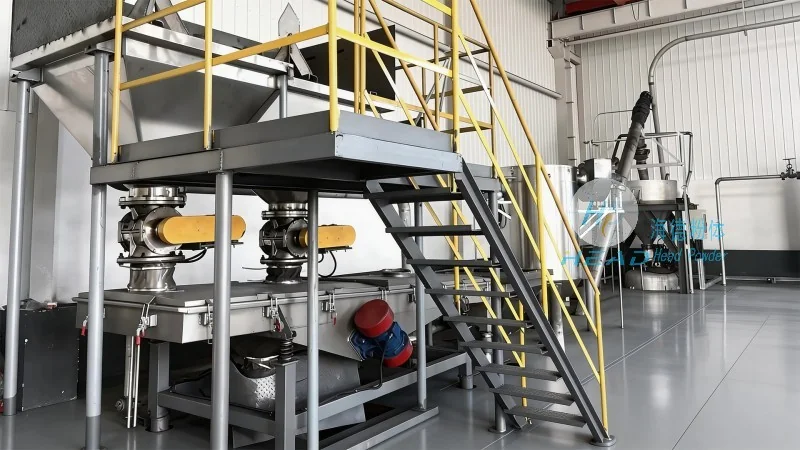
A typical phosphate calcium pneumatic conveying line consists of several critical components, each playing a vital role in the overall operation. The primary components include the material feed hopper, which stores and feeds the phosphate calcium into the system; the air compressor, which generates the necessary pressure to move the material; the conveying pipeline, which transports the material from the feed point to the discharge point; and the control system, which regulates the flow rate and pressure to maintain stable operation. Additionally, features such as cyclones or filters may be incorporated to separate the material from the air stream, ensuring that the conveyed material remains clean and free from contamination. The design of these components is crucial, as they must be capable of handling the specific physical properties of phosphate calcium, including its particle size distribution, moisture content, and flowability.
Working Scene Characteristics: Applications and Operational Environments
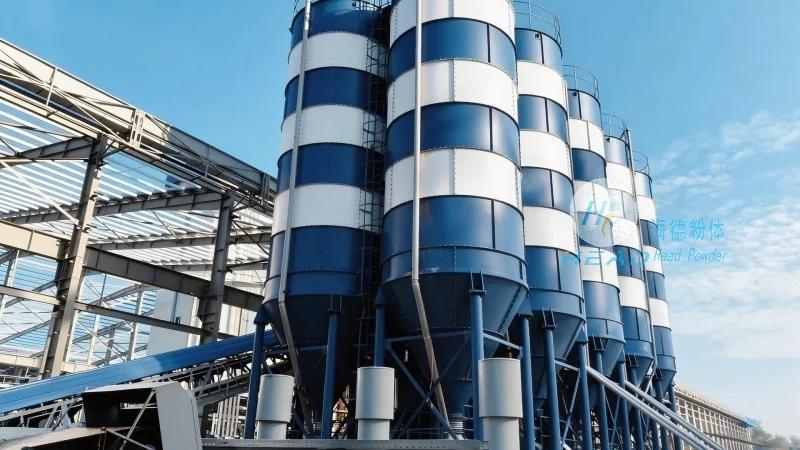
The working scene characteristics of phosphate calcium pneumatic conveying lines are defined by the diverse industrial environments in which they are deployed. These systems are commonly used in fertilizer production, chemical processing, and mining operations, where the efficient transport of phosphate calcium is essential for production continuity. The operational environments can vary significantly, from indoor processing facilities to outdoor storage and transfer points, requiring the conveying line to be robust and weather-resistant. In fertilizer plants, for example, the system may be integrated with other processing equipment to handle raw phosphate calcium and transport it to the next stage of production, such as grinding or mixing. In mining operations, the conveying line may be used to transport phosphate ore from the mine site to processing facilities, where it is crushed and processed into the final product. The adaptability of the system to different operational environments is a key advantage, as it can be customized to meet the specific requirements of each application.
Advantages of Implementing Phosphate Calcium Pneumatic Conveying Systems
Implementing a phosphate calcium material pneumatic conveying system offers several advantages over traditional material handling methods. One of the most significant benefits is the reduction in labor costs, as the system automates the material transport process, minimizing the need for manual handling. Additionally, the system reduces material loss and contamination, as the enclosed pipeline design prevents dust and debris from escaping into the environment. This is particularly important for phosphate calcium, which can be hazardous if not handled properly. The system also improves operational efficiency by providing a continuous and reliable flow of material, reducing downtime and increasing production output. Furthermore, the modular design of the system allows for easy expansion or modification, enabling companies to adapt to changing production needs without significant investment.
Customization and Scalability for Diverse Industrial Needs
HeadPowder recognizes that each industrial application has unique requirements, and therefore, offers customized solutions for phosphate calcium pneumatic conveying systems. The company works closely with clients to understand their specific needs, including the volume of material to be conveyed, the distance of transport, and the desired operating conditions. Based on this information, the system is designed and manufactured to meet the exact specifications of the client. The scalability of the system is another key feature, as it can be expanded or modified to accommodate increased production volumes or changes in operational requirements. This flexibility ensures that the system remains effective and efficient over the long term, providing a reliable solution for material handling needs.
Conclusion: Enhancing Efficiency and Reliability in Phosphate Calcium Handling
In conclusion, phosphate calcium material pneumatic conveying lines represent a highly effective and efficient solution for material handling in various industrial applications. The system, designed and implemented by HeadPowder, combines advanced engineering principles with robust components to provide a reliable and cost-effective method of transporting phosphate calcium. By understanding the core principles and working scene characteristics of these systems, industries can leverage their benefits to improve operational efficiency, reduce costs, and enhance overall productivity. As the demand for phosphate calcium continues to grow, the importance of efficient material handling systems will only increase, making the pneumatic conveying line a critical component of modern industrial operations.