

Principles and Working Scene Characteristics of Steel and Limestone Material Handling Equipment
HeadPowder, a leading engineering firm based in Shandong, China, specializes in the design and manufacturing of advanced material handling solutions. The company's expertise lies in developing efficient systems for transporting critical materials such as steel and limestone, which are fundamental to industrial processes in sectors like steel production and chemical manufacturing.
Principles of Steel and Limestone Material Handling Equipment
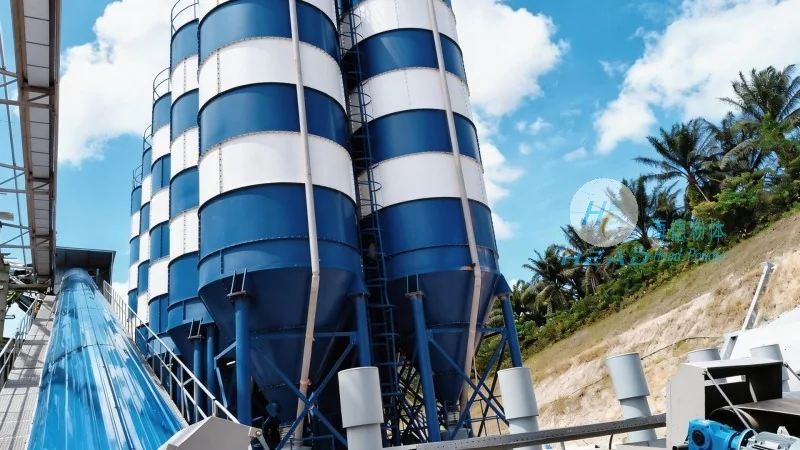
The core principle behind HeadPowder's steel and limestone material handling equipment revolves around optimizing material flow while ensuring safety and reliability. These systems are engineered to handle the unique physical properties of both steel and limestone, including their density, abrasiveness, and varying particle sizes. The equipment utilizes advanced mechanisms such as belt conveyors, screw conveyors, and pneumatic transport systems, tailored to meet the specific demands of each material type. For instance, steel materials often require higher load capacity and durability due to their heavy weight and potential for impact, while limestone, being lighter and more abrasive, demands equipment with robust wear-resistant components. HeadPowder's designs incorporate intelligent control systems that monitor load, speed, and temperature, ensuring optimal performance under varying operational conditions. The integration of sensors and automation technology enhances precision, reduces downtime, and minimizes maintenance requirements, making the equipment highly efficient and cost-effective for industrial applications.
Working Scene Characteristics of Material Handling Equipment
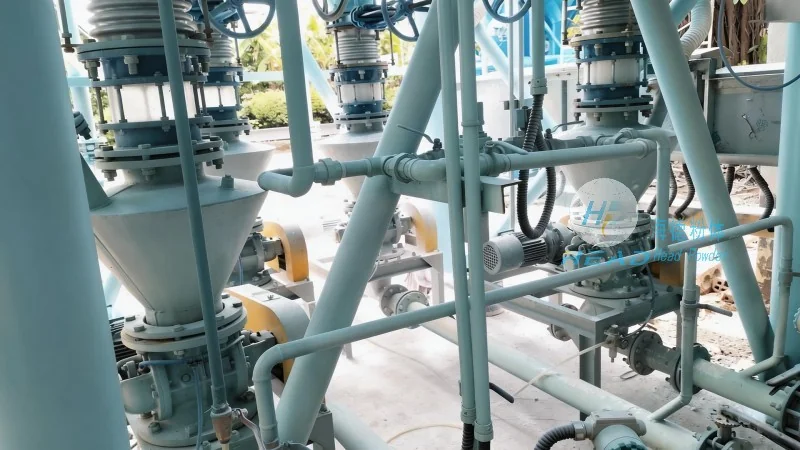
The working scene characteristics of HeadPowder's steel and limestone material handling equipment are tailored to the specific environments where these materials are processed. In steel production facilities, the equipment operates in high-temperature, high-pressure environments, often exposed to dust, moisture, and chemical residues. The design of the equipment, including corrosion-resistant materials and sealed components, ensures durability and longevity under these harsh conditions. In contrast, limestone processing plants, typically found in chemical and cement industries, require equipment that can handle fine powders and granules, often with high throughput rates. The equipment is designed to minimize dust generation and maintain air quality, adhering to environmental regulations. The working scenes also vary in terms of space constraints and operational speed. In compact industrial settings, the equipment may feature compact designs with adjustable lengths and heights, while in large-scale production lines, it may include long-distance conveyors with multiple transfer points. HeadPowder's solutions are adaptable to these diverse working conditions, ensuring seamless integration into existing production workflows and maximizing operational efficiency.
Application and Operational Advantages
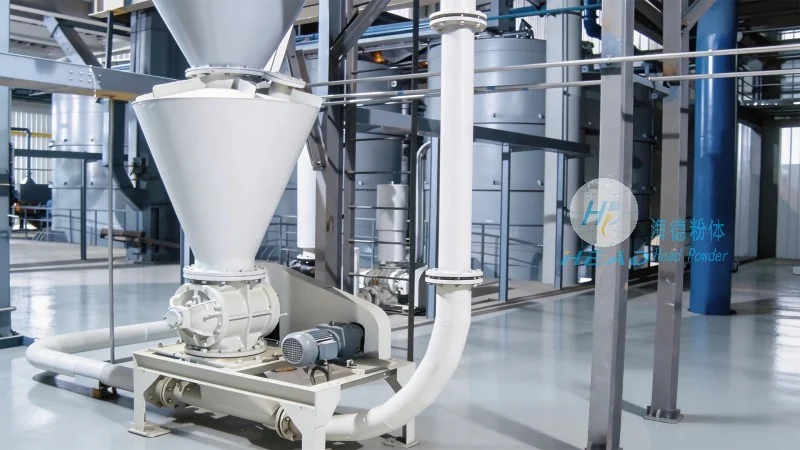
HeadPowder's steel and limestone material handling equipment is widely applied in various industrial sectors, including steel mills, cement plants, and chemical processing facilities. The equipment's ability to handle both bulk and fine materials makes it versatile for different production stages, from raw material intake to finished product delivery. The operational advantages of these systems include increased productivity through continuous material flow, reduced labor costs due to automated processes, and enhanced safety through integrated safety features such as emergency stop buttons and overload protection. The equipment also contributes to environmental sustainability by minimizing material loss and reducing the need for manual handling, which can lead to workplace injuries. Furthermore, the modular design of the equipment allows for easy maintenance and component replacement, reducing downtime and maintenance costs. HeadPowder's commitment to quality and innovation ensures that their material handling solutions meet the evolving needs of modern industrial operations, providing reliable and efficient performance for years to come.