

Principle and Working Scene Characteristics of Small Bag Weighing and Feeding Pneumatic Conveying
HeadPowder, a leading provider in the field of material handling and processing equipment, specializes in advanced pneumatic conveying systems. This article focuses on the principle and working scene characteristics of small bag weighing and feeding pneumatic conveying, a technology that has become increasingly important in modern industrial applications. The company, Shandong HeadPowder Engineering Co., Ltd., is headquartered in Shandong, China, and is dedicated to delivering high-quality solutions tailored to the specific needs of various industries.
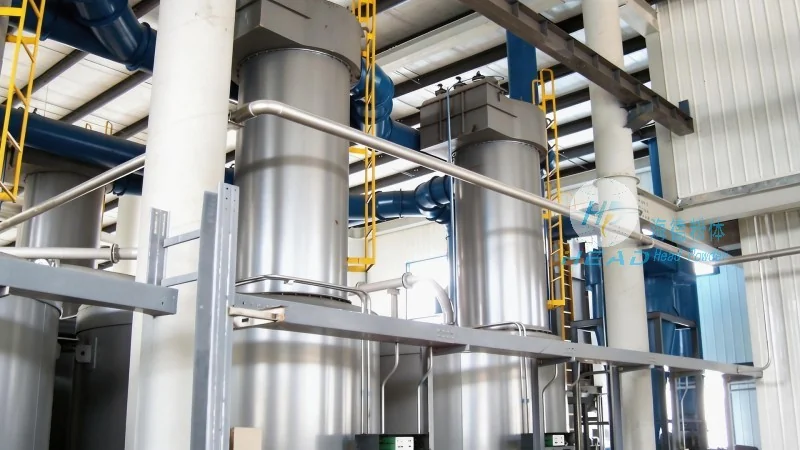
Understanding the Core Principle of Small Bag Weighing and Feeding Pneumatic Conveying
The small bag weighing and feeding pneumatic conveying system is a sophisticated method used to handle bulk materials from sealed bags. The process begins with the weighing of the material contained within a small bag, typically using a precision scale integrated into the system. Once the weight is accurately measured, the system initiates the feeding process, where the material is discharged from the bag and introduced into the pneumatic conveying pipeline. The system then uses a controlled airflow to transport the material to the desired destination, such as a storage silo, processing unit, or packaging line. This integrated approach ensures precise material control and efficient handling, minimizing waste and maximizing operational efficiency.
Key Components and Their Functions in the System
The effectiveness of the small bag weighing and feeding pneumatic conveying system relies on several critical components working in harmony. The primary components include the bag opening mechanism, which safely and efficiently opens the sealed bag without damaging the material; the weighing scale, which provides accurate weight measurement for each batch; the feeding valve, which controls the flow rate of the material from the bag; and the pneumatic conveying pipeline, which transports the material using compressed air. Each component is designed to operate seamlessly, ensuring consistent performance and reliability. The bag opening mechanism may use a combination of mechanical and pneumatic actions to open the bag, while the weighing scale is calibrated to provide high-precision measurements, often with a resolution that meets the strictest industry standards. The feeding valve is typically a rotary or slide valve that can be adjusted to control the flow rate, allowing for precise dosing of the material. The pneumatic conveying pipeline is constructed from durable materials, such as stainless steel or aluminum, to withstand the abrasive nature of the materials being transported and to maintain hygiene standards, especially in industries like food and pharmaceuticals.
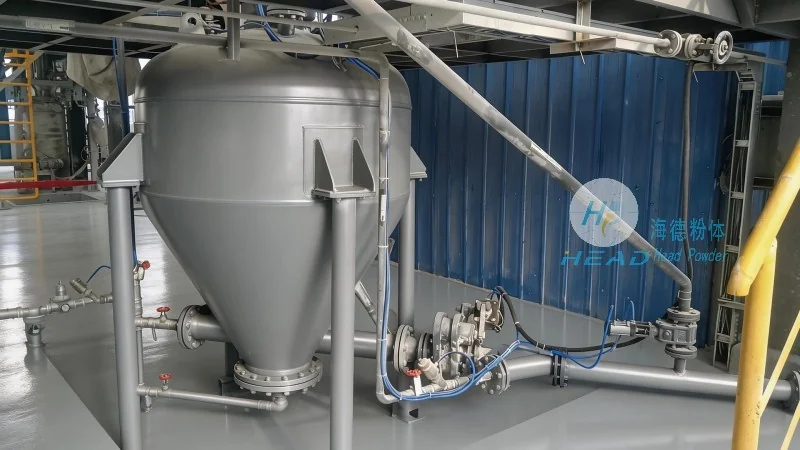
Working Scene Characteristics and Applications
The small bag weighing and feeding pneumatic conveying system is particularly well-suited for applications where material handling needs to be both precise and efficient. Common working scene characteristics include environments where bulk materials are received in small bags, such as raw materials for manufacturing processes. The system is widely used in industries like chemical processing, where accurate dosing of ingredients is crucial for product quality and consistency. In the food industry, the system ensures that ingredients are handled hygienically and with minimal contamination, as the sealed bags and enclosed conveying system prevent exposure to external elements. The pharmaceutical industry also benefits from this technology, as it allows for the precise and controlled transfer of active ingredients and excipients, meeting stringent regulatory requirements. Additionally, the system is suitable for applications in the agricultural sector, where bulk materials like fertilizers or seeds are transported from storage to processing facilities. The working scene characteristics often involve high-volume material handling, with the system capable of processing multiple bags per hour, making it ideal for continuous production lines. The flexibility of the system allows it to be integrated into existing production workflows, minimizing downtime and enhancing overall operational efficiency.
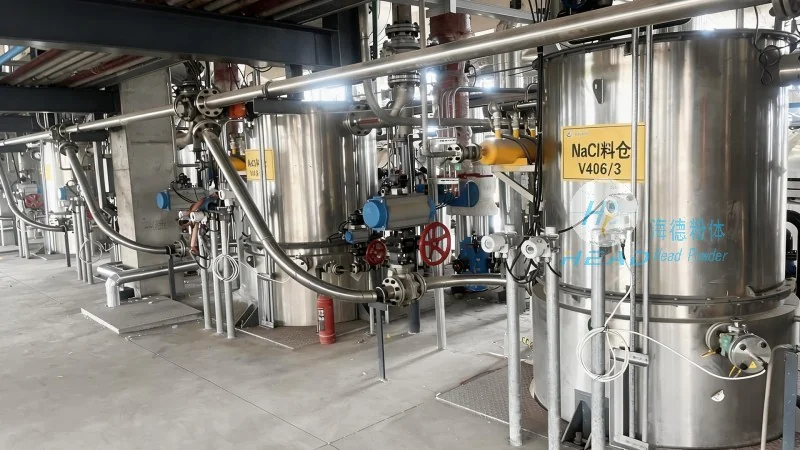
Advantages and Benefits of the Small Bag Weighing and Feeding Pneumatic Conveying System
Implementing a small bag weighing and feeding pneumatic conveying system offers numerous advantages for industrial operations. One of the key benefits is the ability to achieve precise material control, which is essential for maintaining product quality and consistency. By weighing each bag before feeding, the system eliminates the variability that can occur with manual handling, ensuring that the correct amount of material is used in each batch. This precision is particularly valuable in industries where even small variations can lead to significant quality issues, such as in pharmaceutical manufacturing or food processing. Another advantage is the improved safety and hygiene, as the system handles materials in a sealed environment, reducing the risk of dust exposure and contamination. This is especially important in industries where health and safety regulations are strict, such as food and pharmaceuticals. The system also enhances operational efficiency by automating the material handling process, reducing the need for manual labor and minimizing the time required to transfer materials from the bags to the processing units. This leads to increased productivity and lower labor costs. Furthermore, the system is designed for durability and reliability, with components that are built to withstand the rigors of continuous operation. The use of high-quality materials and robust construction ensures that the system can operate for extended periods without frequent maintenance, reducing downtime and maintenance costs. The flexibility of the system allows it to be adapted to various material types and processing requirements, making it a versatile solution for a wide range of industrial applications.
Conclusion and Future Outlook
In conclusion, the small bag weighing and feeding pneumatic conveying system represents a significant advancement in material handling technology. By combining precise weighing with efficient pneumatic conveying, this system provides a reliable and effective solution for handling bulk materials from small bags. The working scene characteristics and applications of this technology are diverse, spanning across multiple industries and production environments. As industries continue to demand higher levels of precision, efficiency, and safety in their material handling processes, the small bag weighing and feeding pneumatic conveying system is poised to play an increasingly important role. With its ability to meet the stringent requirements of modern manufacturing, this technology offers a competitive edge to companies seeking to optimize their operations and improve product quality. HeadPowder, with its expertise and commitment to quality, remains at the forefront of providing such advanced solutions, ensuring that clients can achieve their operational goals with confidence.