

Principle and Working Scene Characteristics of Pneumatic Dust Removal Equipment
At Shandong HeadPowder Engineering Co., Ltd., we specialize in providing advanced solutions for industrial dust management. Pneumatic dust removal equipment, also known as pneumatic dust collectors, is a critical component in modern industrial processes, designed to efficiently capture and remove airborne particles from various environments. This equipment operates on the principle of using air flow to transport dust particles and separate them from the air stream, ensuring a cleaner and safer working environment.

The Working Principle of Pneumatic Dust Removal Equipment
The core mechanism of pneumatic dust removal equipment involves several key steps. Initially, the dust-laden air is drawn into the system, typically through an inlet or suction port. Inside the device, the air is subjected to a series of processes that facilitate particle separation. One common method is the use of a cyclone or a venturi system, where centrifugal force or pressure drop causes larger dust particles to be separated from the air. The separated dust is then collected in a hopper or container, while the cleaned air is discharged back into the environment or further processed. This process is highly efficient for handling fine and dry powders, making it suitable for a wide range of applications.
Key Working Scene Characteristics of Pneumatic Dust Removal Equipment
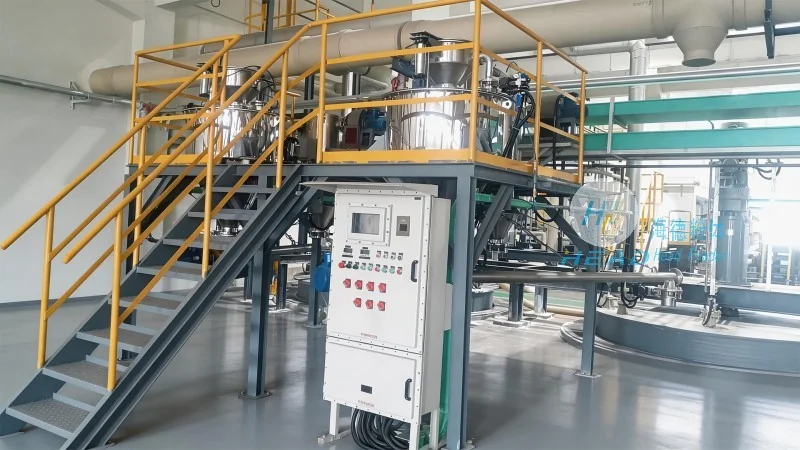
The effectiveness of pneumatic dust removal equipment is influenced by several working scene characteristics that must be considered for optimal performance. First, the type and size of dust particles play a crucial role. Larger particles are easier to capture, while fine particles may require additional filtration or more advanced separation techniques. Second, the air flow rate and pressure within the system are critical parameters. Proper adjustment of these variables ensures that the equipment operates at its maximum efficiency, preventing dust re-entrainment or system overload. Third, the operating environment, including temperature and humidity, can affect the performance of the equipment. For instance, high humidity may cause moisture to condense, potentially leading to caking or blockages in the collection system. Finally, the scale of the operation, whether it is a small-scale laboratory setup or a large industrial plant, dictates the size and capacity of the dust removal equipment. Proper sizing is essential to handle the volume of air and dust generated, ensuring consistent performance and compliance with environmental regulations.
Applications in Different Industrial Sectors
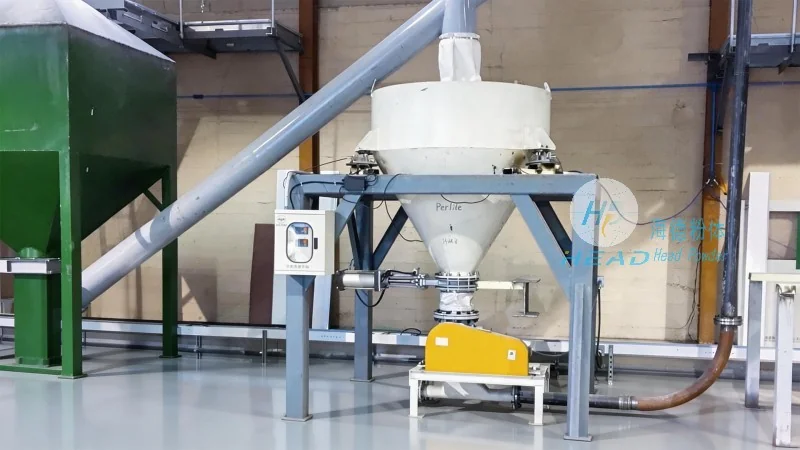
Pneumatic dust removal equipment is widely used across various industrial sectors due to its versatility and efficiency. In the pharmaceutical industry, it is employed to remove fine powders and prevent contamination in production lines. The food processing industry utilizes these systems to maintain hygiene standards and ensure product quality. In the chemical industry, the equipment helps in managing hazardous dusts, reducing the risk of explosions and health hazards. Additionally, in the construction and mining sectors, pneumatic dust collectors are used to control dust emissions from grinding, crushing, and other operations, improving worker safety and compliance with environmental laws. Each application requires tailored equipment design to address specific dust characteristics and operational demands.
Advantages of Pneumatic Dust Removal Systems
Compared to traditional dust collection methods, pneumatic dust removal systems offer several advantages. One of the primary benefits is their ability to handle high volumes of air and dust, making them suitable for large-scale industrial applications. The equipment is also relatively compact and can be integrated into existing facilities without significant modifications. Another advantage is the low maintenance requirement, as the systems typically have fewer moving parts compared to mechanical collectors. Furthermore, pneumatic dust removal is energy-efficient, as it uses air pressure rather than mechanical components to transport dust, reducing operational costs. However, it is important to note that the performance of these systems is highly dependent on proper installation and regular maintenance to prevent issues such as clogging or reduced efficiency.
Conclusion and Company Information
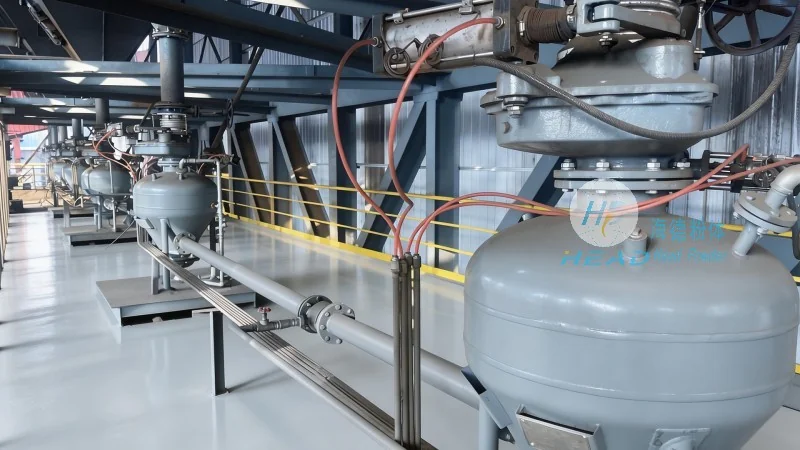
Shandong HeadPowder Engineering Co., Ltd. is committed to providing high-quality pneumatic dust removal equipment tailored to the diverse needs of industrial clients. Our products are designed to meet stringent environmental and safety standards, ensuring reliable performance in various working scenarios. With our expertise and experience, we help industries maintain clean and safe environments while complying with regulatory requirements. Based in Shandong, China, we serve clients globally, delivering customized solutions that enhance operational efficiency and reduce environmental impact. For more information about our pneumatic dust removal equipment and services, please contact us at our headquarters in Shandong, China.