

Working Principle and Features of Urea Granule Material Pneumatic Conveying Equipment
Urea granule material pneumatic conveying equipment is a specialized industrial device designed for the efficient and safe transportation of urea granules in various industrial applications. This equipment is crucial in sectors such as fertilizer production, chemical processing, and material handling, where the reliable movement of bulk urea granules is essential for operational efficiency and product quality. The following sections will explore the working principle and key features of this equipment, providing a comprehensive understanding of its functionality and benefits.
Company Introduction
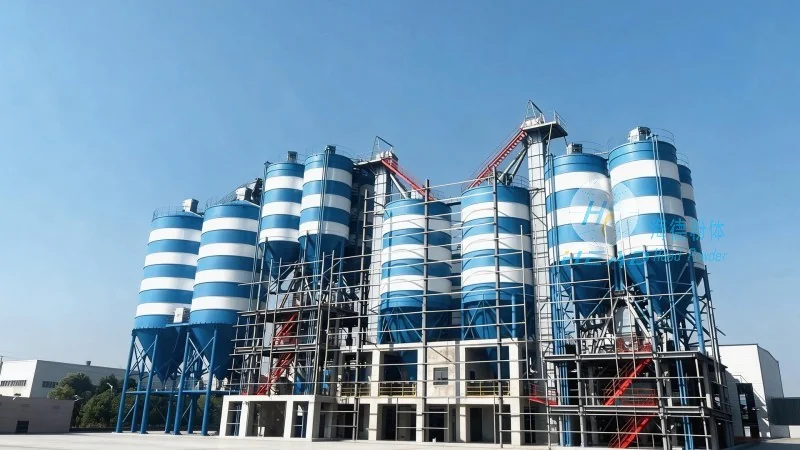
HeadPowder, a leading manufacturer in the field of bulk material handling solutions, specializes in the design, manufacturing, and supply of advanced pneumatic conveying systems. With a strong commitment to quality and innovation, Shandong HeadPowder Engineering Co., Ltd. has established itself as a trusted partner for industries requiring efficient and reliable material transport solutions. HeadPowder's expertise lies in developing customized pneumatic conveying equipment tailored to meet the specific needs of clients, ensuring optimal performance and durability in demanding operational environments. The company's facilities are located in Shandong, China, where state-of-the-art technology and rigorous quality control processes are employed to produce high-performance conveying systems.
Working Principle of Urea Granule Pneumatic Conveying Equipment
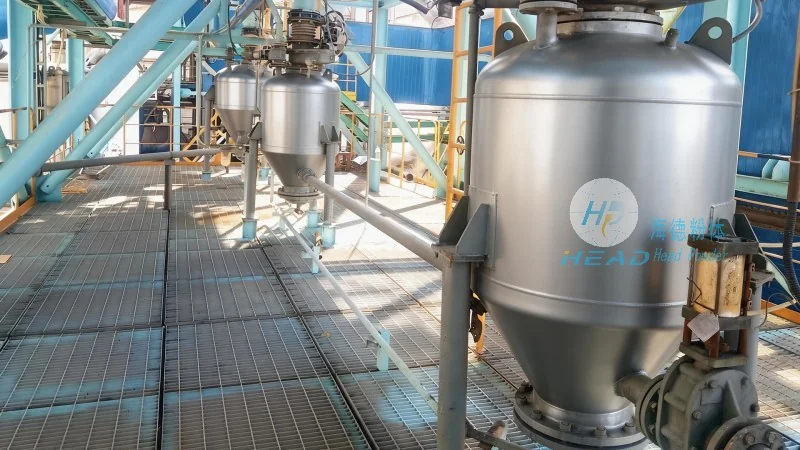
The operation of urea granule material pneumatic conveying equipment is based on the principles of pneumatic transport, which involves the use of air or gas to move bulk materials through a pipeline system. The core components of this equipment include a hopper for material storage, a conveyor line (usually a pipeline), a blower or compressor to generate the necessary air pressure, and a control system to regulate the flow of material and air. The process begins with the urea granules being fed into the hopper from a storage silo or hopper. The control system then activates the blower, which generates a flow of air through the conveyor line. As the air moves through the pipeline, it creates a low-pressure zone that draws the urea granules into the line. The combination of air velocity and material density ensures that the granules are conveyed efficiently and without damage. The equipment may also include features such as a rotary valve or feeder to control the discharge rate of the material from the hopper, ensuring a consistent flow into the conveying line. The air used in the system is typically filtered and recycled to maintain a clean and efficient operation, reducing energy consumption and environmental impact.
Key Features of Urea Granule Pneumatic Conveying Equipment
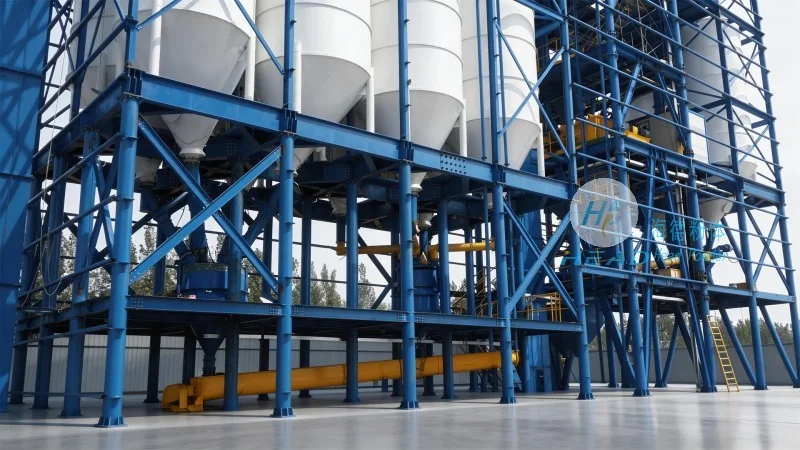
Urea granule material pneumatic conveying equipment offers several key features that make it an ideal choice for industrial applications. One of the primary advantages is its ability to transport materials over long distances with minimal maintenance requirements. The equipment is designed to handle abrasive and corrosive materials like urea granules, ensuring long-term durability and reliability. The use of a closed pipeline system prevents dust emissions and contamination, maintaining a clean and safe working environment. Additionally, the system allows for precise control over the flow rate and pressure, enabling operators to adjust the conveying speed according to the specific requirements of the process. This flexibility is particularly beneficial in applications where varying production rates or material types are involved. The equipment also features advanced safety mechanisms, such as pressure relief valves and emergency shut-off systems, to prevent accidents and ensure operational safety. Furthermore, the design of the conveying line minimizes material degradation, preserving the quality of the urea granules during transport. This is crucial in industries where product quality directly impacts downstream processes or customer satisfaction. The integration of modern control systems allows for remote monitoring and diagnostics, enabling timely maintenance and reducing downtime. Overall, the key features of urea granule pneumatic conveying equipment contribute to improved operational efficiency, reduced labor costs, and enhanced product quality in bulk material handling operations.
Benefits and Applications
The adoption of urea granule material pneumatic conveying equipment brings numerous benefits to industrial operations. The primary advantage is the significant reduction in labor costs associated with manual material handling. By automating the transport process, the equipment minimizes the need for manual labor, reducing the risk of accidents and improving workplace safety. The efficient and reliable transport of urea granules also enhances production throughput, as the equipment can handle high volumes of material with consistent performance. This leads to increased productivity and reduced production time, which is critical in competitive industries. The closed system design also contributes to environmental benefits by preventing dust and particulate emissions, which is essential for compliance with environmental regulations. Additionally, the equipment's ability to handle abrasive materials without significant wear and tear reduces maintenance costs and extends the equipment's service life. The flexibility of the system allows it to be integrated into existing production lines or used as a standalone solution, making it suitable for a wide range of applications. In the fertilizer industry, for example, urea granule pneumatic conveying equipment is used to transport urea from storage facilities to processing plants or packaging lines. In chemical processing, it is employed to move urea granules between reactors and storage tanks. The equipment's adaptability to different material sizes and flow rates makes it a versatile solution for various industrial needs. Overall, the benefits of urea granule pneumatic conveying equipment extend beyond operational efficiency to include cost savings, environmental compliance, and improved product quality, making it a valuable asset for any industrial operation.
Conclusion
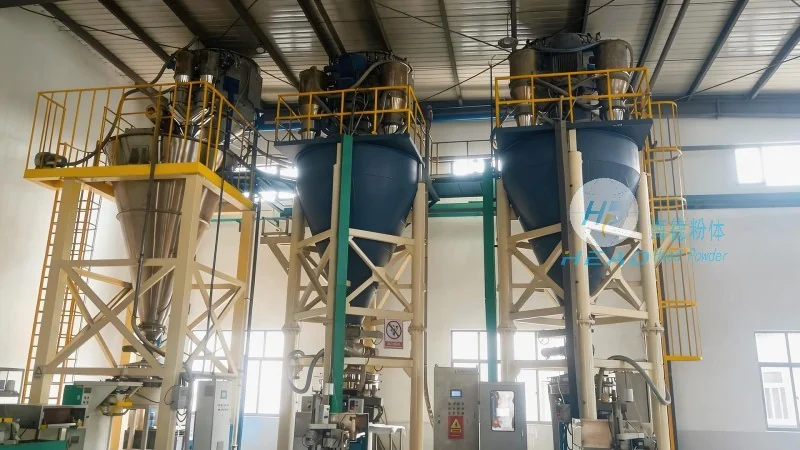
In conclusion, urea granule material pneumatic conveying equipment is a sophisticated and efficient solution for the transport of bulk urea granules in industrial settings. The working principle, which relies on pneumatic transport through a closed pipeline system, ensures reliable and damage-free movement of the material. The key features, including durability, safety, and flexibility, make this equipment suitable for a wide range of applications. The benefits, such as reduced labor costs, increased productivity, and environmental compliance, highlight the importance of investing in advanced pneumatic conveying systems. As a leading manufacturer, Shandong HeadPowder Engineering Co., Ltd. continues to innovate and provide high-quality conveying equipment that meets the evolving needs of the industry. By understanding the working principle and features of this equipment, industrial operators can make informed decisions to enhance their material handling processes and achieve greater operational success.