

The Working Principle and Features of Iron Powder Material Handling Equipment
Iron powder material handling equipment is a critical component in industrial processes, particularly for the efficient and safe transportation of iron powder and similar fine powders. Understanding its working principle and key features is essential for optimizing production lines and ensuring operational efficiency. This article explores the fundamental mechanisms behind such equipment and highlights the distinctive characteristics that make them suitable for handling iron powder.
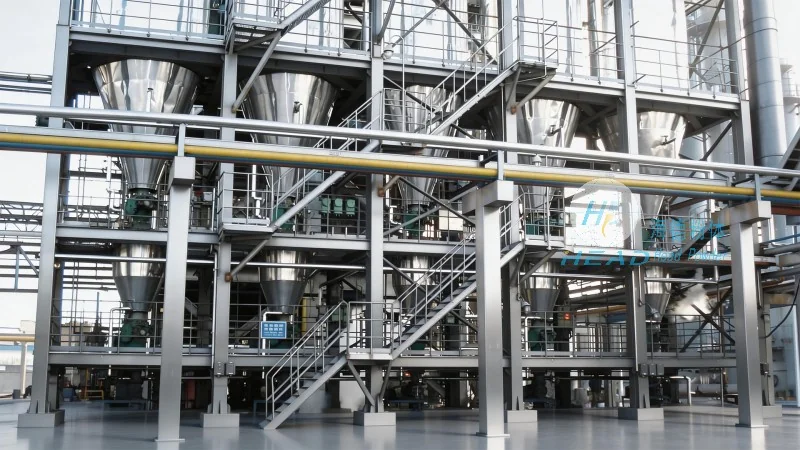
Introduction to Iron Powder Material Handling Equipment
Iron powder, a common form of iron used in various applications including magnetic materials, metallurgy, and chemical industries, requires specialized equipment for handling due to its fine particle size and potential for dust generation. Material handling equipment designed for iron powder must address challenges such as dust control, material flow uniformity, and equipment durability. The primary goal of these systems is to transport iron powder from one location to another within a production facility while maintaining product integrity and operational safety.
The Working Principle of Iron Powder Material Handling Equipment
The working principle of iron powder material handling equipment varies depending on the specific type of equipment used. Common methods include mechanical conveyors, pneumatic conveying systems, and bulk material handling solutions. Each system operates based on different physical principles to ensure effective material transport.
For example, mechanical conveyors like screw conveyors or belt conveyors use rotational motion to move iron powder along a defined path. A screw conveyor consists of a rotating screw inside a trough, which pushes the material forward through the screw's flights. This method is suitable for moderate to high volumes of iron powder and can handle materials with varying moisture content. Belt conveyors, on the other hand, use a continuous belt to transport iron powder, often with idlers and pulleys to maintain tension and direction. These systems are ideal for long-distance transport and can be integrated with other processing equipment.
Pneumatic conveying systems, also known as air conveying, utilize compressed air to transport iron powder in a closed pipeline. The iron powder is suspended in the air stream and carried to the destination. This method is particularly effective for handling fine powders that are prone to caking or segregation. There are two main types of pneumatic conveying: pressure and vacuum systems. Pressure systems use positive pressure to push the material through the pipeline, while vacuum systems use negative pressure to pull the material. The choice between these systems depends on the distance, volume, and material characteristics.
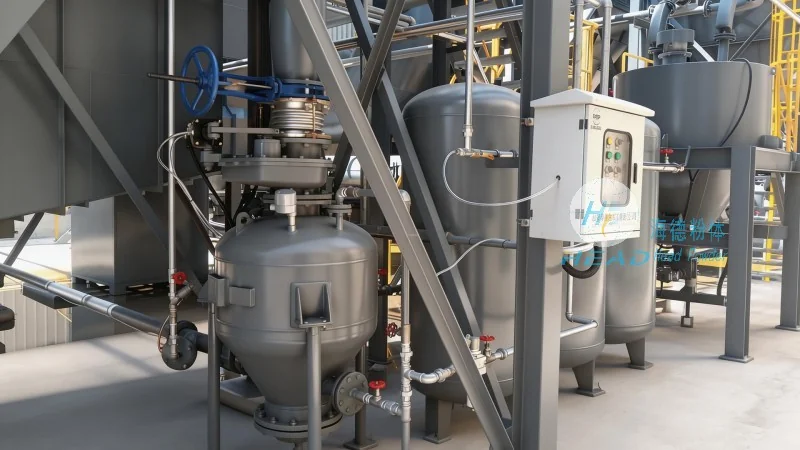
Bulk material handling equipment, such as bucket elevators or bucket chain conveyors, uses a series of buckets attached to a chain or belt to lift and transport iron powder vertically or at an incline. This method is efficient for vertical transport and can handle large quantities of material. The buckets are filled at the bottom and discharged at the top, ensuring a continuous flow of iron powder.
Key Features of Iron Powder Material Handling Equipment
The features of iron powder material handling equipment are tailored to address the unique challenges of handling fine powders. These features enhance performance, safety, and longevity of the equipment.
Firstly, dust control is a critical feature. Iron powder is a fine material that can generate significant dust during handling, which poses health and safety risks. Equipment such as enclosed conveyors, dust collection systems, and sealed hoppers are used to minimize dust exposure. These features help maintain a safe working environment and comply with occupational health regulations.
Secondly, material flow uniformity is essential for consistent processing. Iron powder can segregate or clump if not handled properly, leading to uneven material flow and reduced product quality. Equipment with adjustable speed controls, variable speed drives, and smooth flow paths help maintain uniform material flow. For example, screw conveyors with variable speed motors allow operators to adjust the speed based on the material's flow characteristics, ensuring consistent transport rates.
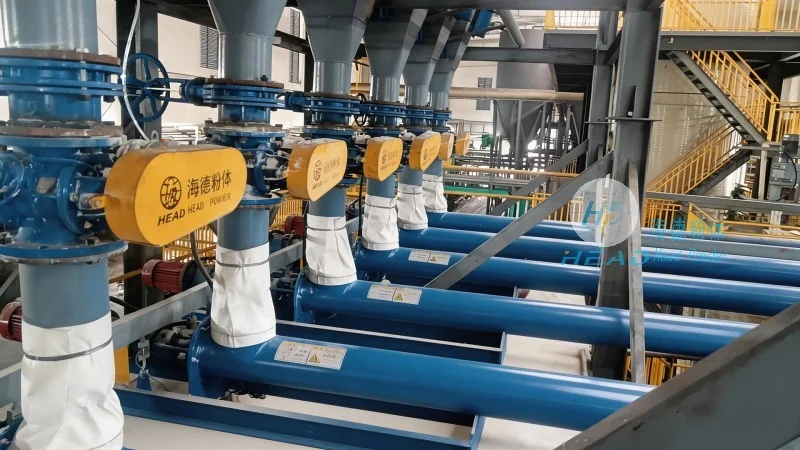
Thirdly, equipment durability is important due to the abrasive nature of iron powder. Iron powder can cause wear and tear on conveyor components, especially the screw flights or belt surfaces. High-quality materials, such as stainless steel or wear-resistant coatings, are used to extend the equipment's lifespan. Additionally, regular maintenance and replacement of worn parts are necessary to maintain optimal performance.
Fourthly, integration with other processing equipment is a key feature. Iron powder material handling equipment is often part of a larger production line, and seamless integration is crucial for efficiency. Equipment with standardized interfaces, such as flanged connections or compatible control systems, allows for easy integration with mixers, reactors, or packaging machines. This integration ensures smooth material transfer and reduces downtime.
Fifthly, energy efficiency is a modern feature that enhances operational costs. Iron powder material handling equipment can consume significant energy, especially with high-volume systems. Modern equipment incorporates energy-saving technologies, such as variable frequency drives (VFDs) and optimized conveyor designs, to reduce energy consumption. These features help lower operational costs and contribute to sustainability goals.
Conclusion
Iron powder material handling equipment plays a vital role in industrial applications, ensuring the efficient and safe transport of iron powder. The working principles, including mechanical, pneumatic, and bulk handling methods, are designed to address the unique characteristics of iron powder. Key features such as dust control, uniform flow, durability, integration capabilities, and energy efficiency enhance the performance and reliability of these systems. By understanding these principles and features, industries can optimize their material handling processes and improve overall productivity.