

Working Principles and Features of Large-Scale Material Handling Equipment
Large-scale material handling equipment is integral to modern industrial operations, enabling the efficient movement, storage, and management of bulk materials across diverse production and logistics environments. Understanding the underlying working principles and key characteristics of such systems is vital for optimizing workflow, enhancing productivity, and ensuring operational safety. This article provides a comprehensive exploration of the fundamental mechanisms and distinctive attributes of large-scale material handling machinery, tailored for industrial applications.
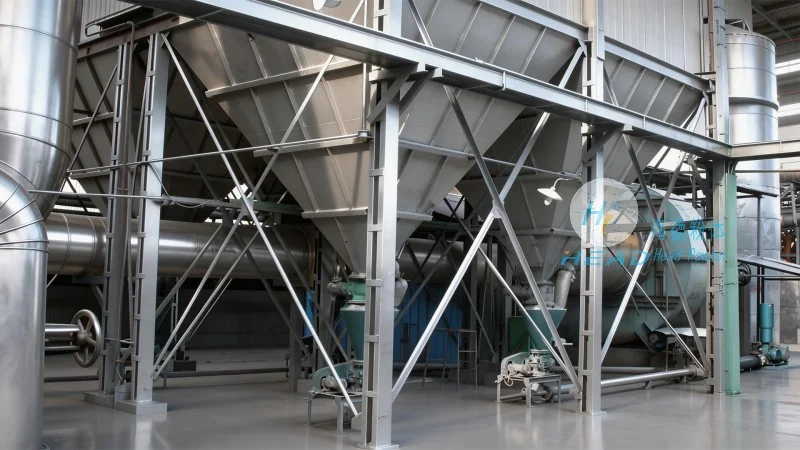
Introduction to Large-Scale Material Handling Equipment
Large-scale material handling equipment encompasses a broad range of machinery engineered to transport, store, and manipulate substantial volumes of materials in industrial settings. These systems are designed to handle high-capacity operations and are fundamental to sectors including manufacturing, mining, construction, and logistics. The primary objective of these systems is to streamline material flow, reduce manual labor, and improve overall operational efficiency. Typical equipment includes conveyors, hoists, cranes, and automated storage systems, each customized to specific material types and operational requirements.
Working Principles of Large-Scale Material Handling Equipment
The working principles of large-scale material handling equipment vary by machinery type but generally revolve around mechanical, hydraulic, or electric power sources to facilitate material movement. For example, belt conveyors utilize a continuous belt loop driven by motors to transport materials horizontally or at slight inclines. The belt, typically made of durable rubber or synthetic materials, carries the load as it moves, with idlers supporting the belt and preventing sagging. This mechanism enables steady, continuous material flow, making it suitable for transporting loose or bulk materials over extended distances.
Chain conveyors operate on a similar principle but use metal chains with attached buckets or trays to lift and transport materials vertically or at steep angles. The chains are driven by sprockets, and the buckets rotate to discharge material at the end of the conveyor. This system is particularly effective for handling granular or powdery materials, such as coal, ore, or cement, where vertical movement is required. Hydraulic hoist systems rely on fluid power, using hydraulic cylinders to lift heavy loads. Pressurized hydraulic fluid acts on the cylinder's piston, generating force to raise or lower the load. This mechanism is ideal for heavy-duty lifting applications, such as in construction or mining, where large equipment or materials need to be elevated.
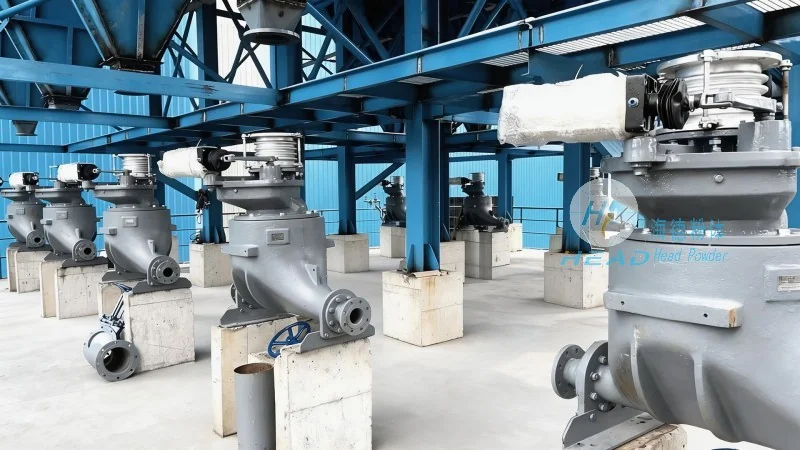
Electric overhead cranes utilize electric motors and pulley systems to move heavy loads horizontally and vertically. The crane's trolley moves along the runway, while the hoist lifts and lowers the load using steel cables and pulleys. This system is commonly employed in warehouses and manufacturing plants to move heavy machinery or finished products. The electric power source provides precise control over the crane's movement, allowing for accurate positioning of the load.
Key Features of Large-Scale Material Handling Equipment
Large-scale material handling equipment is defined by several critical features that enhance its performance and adaptability in industrial environments. One of the most significant features is high load capacity, which allows the equipment to handle substantial volumes of materials without compromising structural integrity. This is achieved through robust construction, using high-strength steel and durable components that can withstand heavy usage and harsh conditions. The equipment is also designed for longevity, with features such as corrosion-resistant coatings and wear-resistant parts to extend its operational life.
Another key feature is versatility, enabling the equipment to handle various material types, including bulk solids, liquids, and even hazardous materials. This adaptability is achieved through different conveyor designs, such as belt conveyors for dry materials, screw conveyors for granular materials, and bucket elevators for powders. The equipment can also be customized with special attachments, such as magnetic separators or air classifiers, to process specific materials efficiently. For instance, magnetic conveyors are used to separate ferrous materials from non-ferrous ones, while air classifiers are used to separate materials based on particle size.
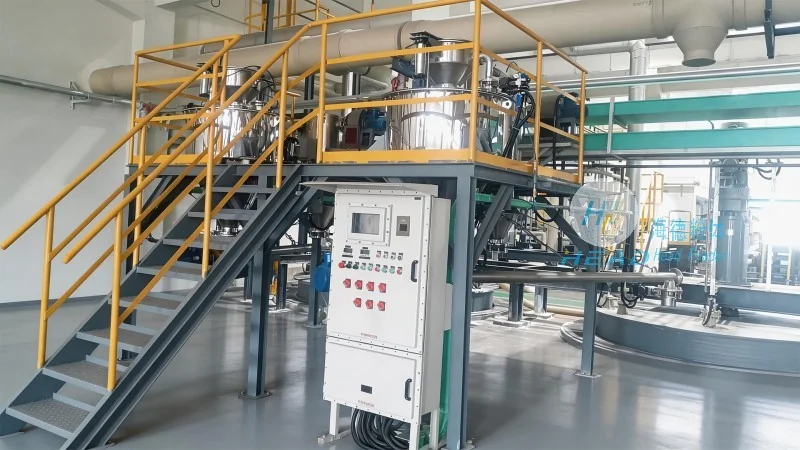
Efficiency and speed are also critical features. Modern systems are equipped with advanced control systems, such as PLC (Programmable Logic Controllers) and SCADA (Supervisory Control and Data Acquisition) systems, which allow for automated operation and real-time monitoring. These systems optimize material flow, reduce downtime, and improve overall productivity. Additionally, the equipment is designed for low maintenance, with easy access to components and modular designs that facilitate repairs and replacements. This reduces operational costs and ensures continuous operation.
Operational safety is another essential feature, with equipment designed to meet safety standards and regulations. Safety features include emergency stop buttons, overload protection systems, and safety guards to prevent accidents. The equipment is also equipped with sensors and alarms to detect abnormalities, such as overloading or belt slippage, and alert operators. This ensures a safe working environment and minimizes the risk of injuries or equipment damage.
Applications and Benefits of Large-Scale Material Handling Equipment
Large-scale material handling equipment is widely utilized in various industrial applications, providing numerous benefits to businesses. In manufacturing plants, these systems are used to transport raw materials to production lines and move finished products to storage or shipping areas. This streamlines the production process, reduces bottlenecks, and improves overall efficiency. In mining operations, the equipment is used to transport ore from mines to processing facilities, enhancing the efficiency of extraction and processing. In construction sites, cranes and hoists are used to lift heavy materials, such as steel beams and concrete, to higher levels, facilitating the construction of tall structures.
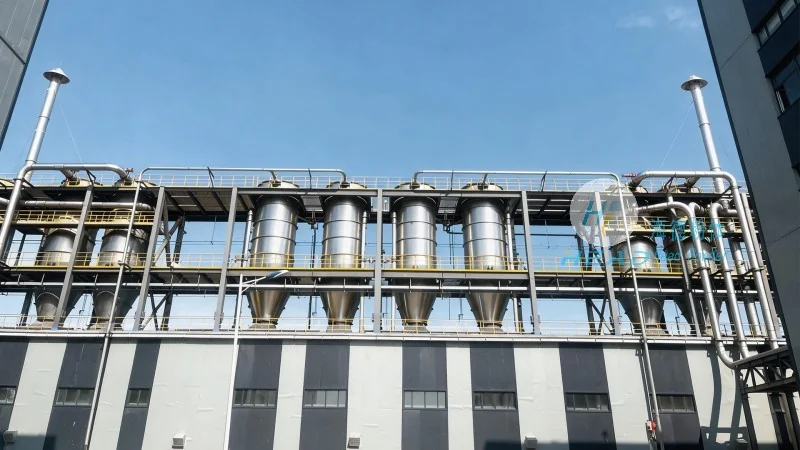
The benefits of using large-scale material handling equipment extend beyond operational efficiency. These systems reduce manual labor, minimizing the risk of workplace injuries and improving employee safety. They also reduce material handling costs by minimizing material handling time and labor. Additionally, the equipment improves product quality by reducing material damage during transport, ensuring that products reach their destination in optimal condition. This enhances customer satisfaction and brand reputation.
Furthermore, large-scale material handling equipment contributes to environmental sustainability by reducing waste and improving resource utilization. By optimizing material flow, these systems minimize material handling errors and reduce the need for rework or disposal. This leads to lower environmental impact and improved sustainability. The equipment also supports just-in-time (JIT) inventory management, reducing inventory costs and improving supply chain efficiency.
Conclusion
Large-scale material handling equipment is a critical component of modern industrial operations, offering efficient and reliable solutions for material movement and management. Understanding the working principles and key features of such equipment is essential for selecting the right machinery for specific applications and optimizing operational performance. The equipment's high load capacity, versatility, efficiency, and safety features make it an indispensable tool in various industries. As industrial demands continue to evolve, advancements in technology will further enhance the capabilities of large-scale material handling equipment, ensuring its continued relevance and importance in the future.