

Working Principle and Features of Lithium-Ion Battery Material Handling Systems
HeadPowder, a leading manufacturer in the field of material handling solutions, specializes in the development and production of advanced systems for lithium-ion battery material processing. Based in Shandong, China, the company has established itself as a key player in providing efficient and reliable equipment for the battery manufacturing industry. This article explores the working principle and key features of their lithium-ion battery material handling systems, highlighting how these systems enhance productivity and ensure precision in material handling processes.
Introduction to Lithium-Ion Battery Material Handling Systems
Lithium-ion battery production involves numerous steps, each requiring precise material handling to ensure quality and efficiency. From raw material input to final assembly, the movement of materials such as cathode materials, anodes, and electrolytes is critical. HeadPowder's material handling systems are designed to streamline these processes, integrating automation and advanced control technologies to meet the demanding requirements of modern battery manufacturing. The systems are tailored to handle various materials with different properties, ensuring safe and efficient transportation throughout the production line.
Working Principle of the Material Handling System
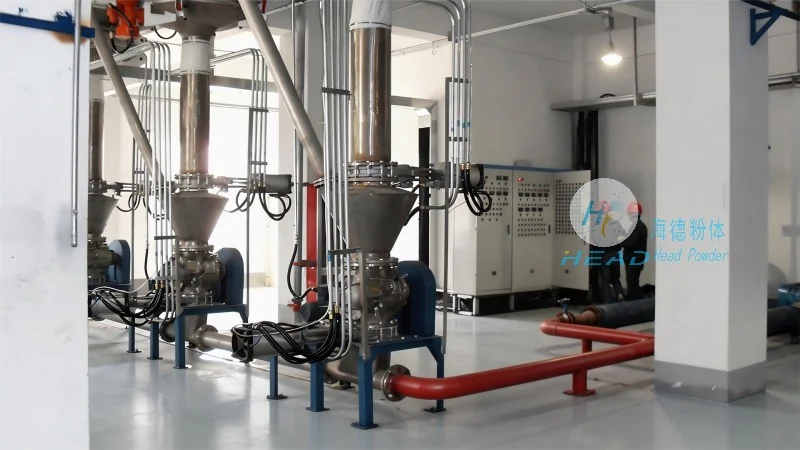
The core of HeadPowder's lithium-ion battery material handling system is a combination of conveyor belts, pneumatic systems, and automated sorting mechanisms. The system operates by first receiving raw materials at the input stage, where they are weighed and classified based on specifications. The materials are then transported through a series of conveyors, which may include belt conveyors, screw conveyors, or chain conveyors, depending on the material type and processing requirements. Pneumatic components are used for fine particle handling, ensuring that even the smallest particles are transported without loss or contamination. The system also incorporates sensors and control units that monitor the flow of materials in real-time, adjusting the speed and direction of the conveyors as needed to maintain optimal processing conditions.
Key Features of the Material Handling System
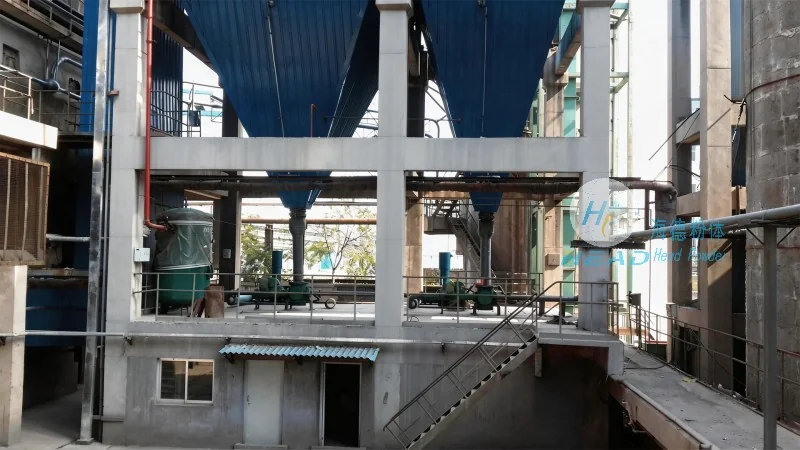
HeadPowder's material handling systems for lithium-ion batteries are characterized by several advanced features that set them apart in the industry. Firstly, the systems are equipped with high-precision weighing and measurement devices, which ensure accurate dosing of materials, a critical factor in battery performance. The use of stainless steel and other corrosion-resistant materials in the construction of the system components ensures durability and resistance to chemical exposure, which is essential for handling battery materials. Additionally, the systems are designed with modular components, allowing for easy integration and scalability. This modularity enables manufacturers to expand their production capacity as demand grows without significant system overhauls. The integration of automation and robotics further enhances the system's efficiency, reducing human intervention and minimizing the risk of errors. Furthermore, the systems are equipped with advanced control software that provides real-time monitoring and data analysis, allowing operators to make informed decisions and optimize the production process continuously.
Benefits and Applications
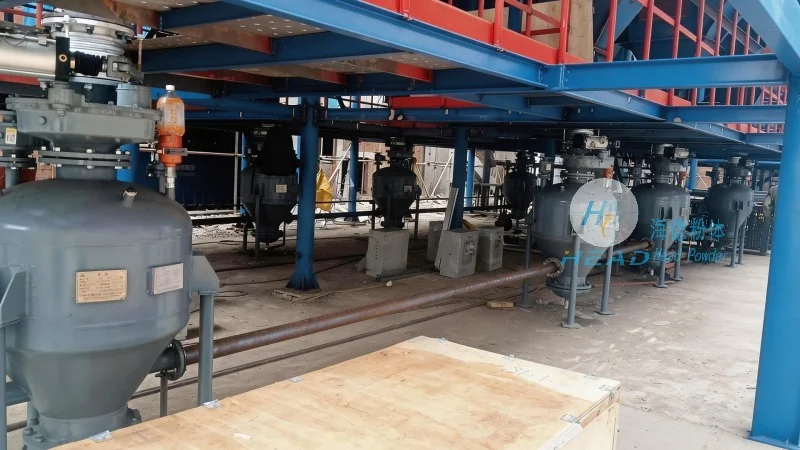
The implementation of HeadPowder's lithium-ion battery material handling systems brings numerous benefits to battery manufacturers. By improving material handling efficiency, the systems reduce production downtime and increase overall throughput. The precision in material dosing and transportation leads to higher battery quality and consistency, which is crucial for meeting market standards and customer expectations. The modular design of the systems also offers flexibility, allowing them to be adapted to different production lines and material types. This adaptability makes the systems suitable for a wide range of applications, from small-scale battery production to large-scale industrial manufacturing. The use of advanced control technologies and sensors enhances safety in the workplace, reducing the risk of accidents and ensuring compliance with industry regulations. Overall, the systems contribute to a more sustainable and efficient battery manufacturing process, aligning with the industry's goal of producing high-performance lithium-ion batteries while minimizing environmental impact.
Conclusion
HeadPowder's lithium-ion battery material handling systems represent a significant advancement in the battery manufacturing industry, combining advanced technology with robust design to meet the evolving demands of the sector. By understanding the working principle and key features of these systems, manufacturers can make informed decisions about integrating such solutions into their production processes. The systems not only enhance operational efficiency but also contribute to the production of high-quality lithium-ion batteries, supporting the growth of the battery industry and its role in the transition to renewable energy sources. With its headquarters in Shandong, China, HeadPowder continues to innovate and provide cutting-edge material handling solutions that drive the success of battery manufacturers worldwide.