

Working Principle and Features of Long-Distance Powder Conveying Systems
Long-distance powder conveying systems are critical in various industrial sectors, enabling the efficient transport of bulk dry materials over considerable distances. Understanding their operational mechanics and defining characteristics is essential for selecting appropriate equipment tailored to specific industrial needs. This article provides a comprehensive overview of how these systems function and the features that characterize their performance.
Introduction to Long-Distance Powder Conveying Systems
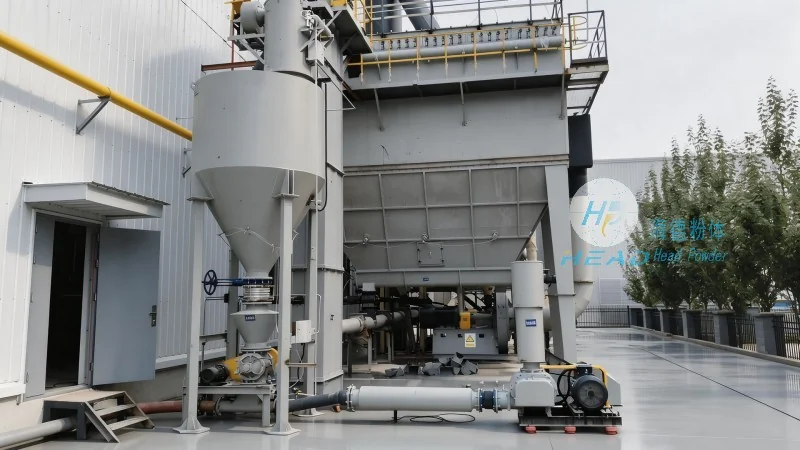
Long-distance powder conveying lines are engineered to handle the transportation of dry bulk materials, such as powders, granules, and fine particles, from one location to another. These systems are widely utilized in industries including pharmaceuticals, food processing, chemical manufacturing, and mining, where reliable and efficient material handling is paramount. The primary objective of these systems is to move materials with minimal loss, low energy consumption, and high operational safety.
Working Principle of Long-Distance Powder Conveying Systems
The fundamental working principle of long-distance powder conveying systems centers on the use of pressure or vacuum to move materials through a pipeline. There are two main system types based on this principle: positive pressure systems and negative pressure (or vacuum) systems. In positive pressure systems, a fan or blower generates pressure within the pipeline, pushing the material forward. In contrast, negative pressure systems employ a vacuum pump to create a suction effect, drawing the material through the pipeline. The selection between these systems depends on factors like the material's properties, the distance to be covered, and the required flow rate.
Within these systems, the material is typically transported using a carrier gas, such as air or nitrogen, which is mixed with the powder to form a dilute or dense phase flow. The flow regime—whether it's a dilute phase (where particles are suspended in the gas) or a dense phase (where particles are more closely packed)—influences the system's efficiency and energy consumption. Dilute phase systems generally offer higher energy efficiency for longer distances but may require larger pipelines and higher gas velocities. Dense phase systems, conversely, provide better control over material flow and are suitable for materials prone to segregation or abrasion.
Key Features of Long-Distance Powder Conveying Systems
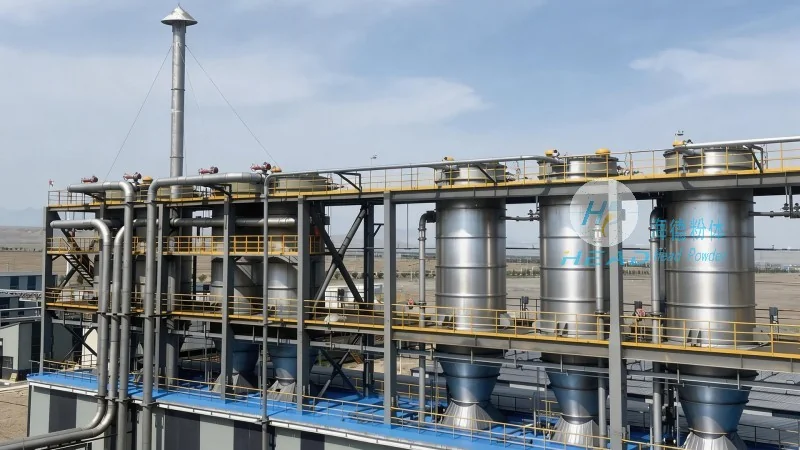
Several key features distinguish long-distance powder conveying systems and contribute to their effectiveness in industrial settings. These features include:
1. High Efficiency and Low Energy Consumption
Modern long-distance powder conveying systems are designed to maximize efficiency while minimizing energy use. Advanced control systems and optimized flow designs help reduce power consumption, making them cost-effective for long-term operation. The use of efficient fans, blowers, and vacuum pumps, along with proper pipeline sizing, ensures the system operates at its optimal performance level.
2. Versatility in Material Handling
These systems are highly versatile and can handle a wide range of materials, from fine powders to coarse granules. They are adaptable to different particle sizes, shapes, and moisture contents, making them suitable for diverse industrial applications. The ability to transport materials with varying properties without significant degradation is a significant advantage.
3. Minimal Material Loss and Contamination
Long-distance powder conveying systems are engineered to minimize material loss and prevent contamination. The sealed pipeline design ensures the material remains within the system, reducing spillage and environmental impact. Additionally, high-quality seals and components prevent cross-contamination between different materials, which is critical in industries like pharmaceuticals and food processing.
4. Scalability and Customization
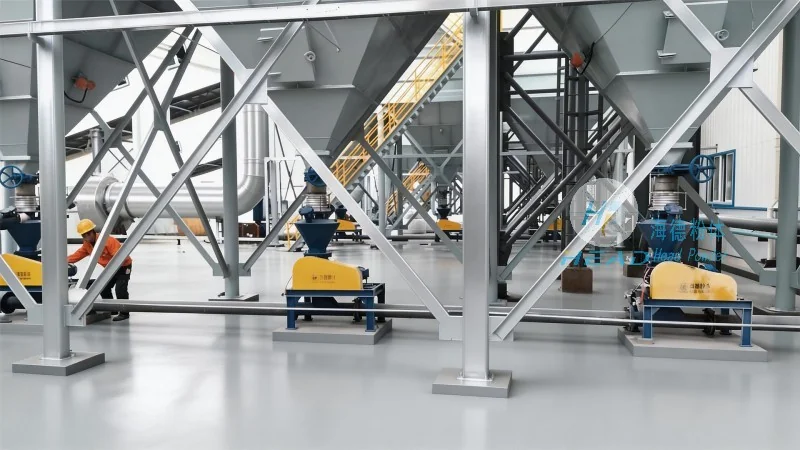
HeadPowder, a leading manufacturer based in Shandong, China, offers customizable long-distance powder conveying systems tailored to specific customer requirements. These systems can be scaled to accommodate varying production capacities and distances, ensuring they meet the unique needs of each application. The company's expertise in engineering and manufacturing allows for the design of systems that are both efficient and reliable.
5. Advanced Control and Monitoring
Modern long-distance powder conveying systems incorporate advanced control and monitoring technologies. These features allow operators to track system performance in real-time, detect issues early, and make adjustments to optimize operation. The use of sensors, variable frequency drives (VFDs), and programmable logic controllers (PLCs) enhances the system's responsiveness and reliability.
Conclusion
Long-distance powder conveying systems are sophisticated pieces of equipment that play a vital role in modern industrial operations. By understanding their working principles and key features, businesses can select the most appropriate system for their needs, ensuring efficient material handling, cost savings, and operational reliability. With the expertise of companies like Shandong HeadPowder Engineering Co., Ltd., these systems can be tailored to meet specific requirements, providing long-term benefits in various industrial sectors.