

Working Principle and Features of Rice Husk Pneumatic Conveying System Equipment
Rice husk, a byproduct of rice processing, is widely utilized in various industries such as power generation, chemical production, and animal feed. The efficient handling and transportation of rice husk are crucial for optimizing production processes and ensuring consistent quality. Pneumatic conveying systems have emerged as a reliable solution for transporting rice husk, offering advantages over traditional methods like belt conveyors or bucket elevators. This article delves into the working principle and key features of rice husk pneumatic conveying systems, highlighting how they enhance operational efficiency and sustainability.
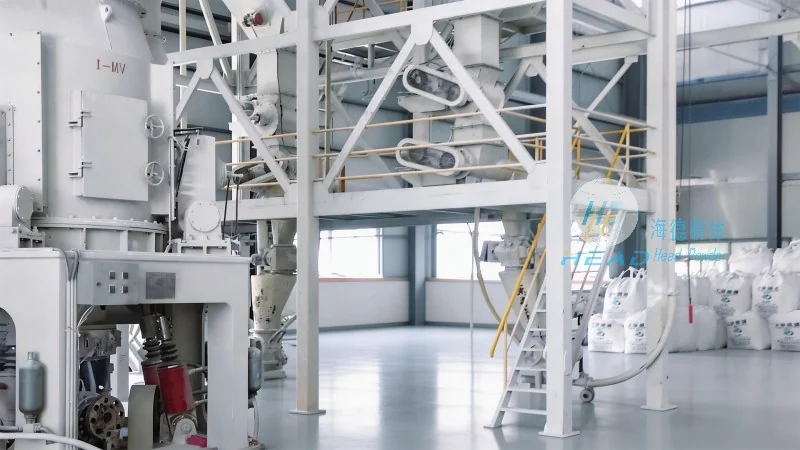
Working Principle of Rice Husk Pneumatic Conveying Systems
The core of a rice husk pneumatic conveying system lies in its ability to transport bulk materials through a pressurized or vacuum environment using air or gas. The system typically consists of a hopper, a conveyor line, a blower or vacuum pump, and a discharge point. The working principle can be broken down into several key steps:
First, the rice husk is fed into the hopper from the source, such as a storage silo or a processing unit. The hopper is designed to ensure a consistent flow of material, preventing blockages and maintaining a steady supply. As the material enters the hopper, it falls into the conveyor line, which is a tube or pipe where the air is introduced. The blower or vacuum pump generates the necessary pressure or vacuum to move the rice husk through the system.
Depending on the system design, there are two main types of pneumatic conveying: pressure and vacuum. In a pressure system, the blower pushes air into the conveyor line, creating a positive pressure that propels the rice husk forward. The air and material mixture travels through the pipe until it reaches the discharge point, where the air is separated from the material, often using a cyclone separator or a filter. In a vacuum system, the vacuum pump creates a negative pressure that draws the rice husk into the conveyor line, pulling it towards the discharge point.
During the conveying process, the air velocity must be sufficient to prevent the rice husk from settling or clogging the pipe. The system is equipped with flow control devices, such as valves and regulators, to adjust the air pressure and flow rate, ensuring optimal performance. The discharge point is designed to separate the rice husk from the air efficiently, allowing the material to be deposited in the desired location, such as a storage bin or a processing unit.

Key Features of Rice Husk Pneumatic Conveying Systems
Rice husk pneumatic conveying systems offer several advantages that make them ideal for handling bulk materials. The following features highlight their effectiveness and reliability:
1. Low Maintenance and Long Service Life: Pneumatic conveying systems have fewer moving parts compared to mechanical conveyors, reducing the risk of wear and tear. The absence of chains, belts, or buckets minimizes maintenance requirements and extends the service life of the equipment. This results in lower operational costs and increased uptime for the system.
2. Flexibility in Layout and Installation: Pneumatic conveying systems can be installed in various configurations, including horizontal, vertical, or inclined lines. They can be easily integrated into existing production facilities, allowing for flexible layout designs that optimize space utilization. The system can also be extended or modified to accommodate changes in production requirements, providing long-term adaptability.
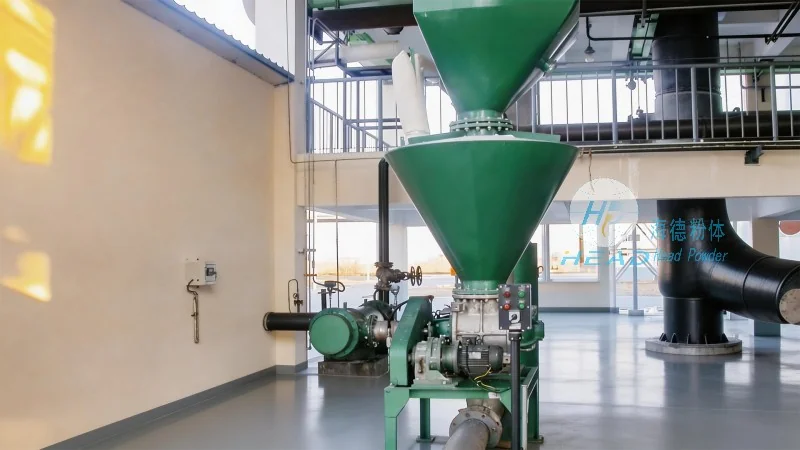
3. Reduced Material Damage and Contamination: Unlike mechanical conveyors that may cause abrasion or breakage to the rice husk, pneumatic systems use air to transport the material, minimizing physical damage. The enclosed pipeline design also prevents contamination from external sources, ensuring the purity of the rice husk. This is particularly important for applications where the quality of the material is critical, such as in power generation or chemical processing.
4. Energy Efficiency and Environmental Benefits: Modern pneumatic conveying systems are designed to be energy-efficient, with advanced blower technologies that reduce power consumption. The system also helps in reducing dust emissions compared to open conveyors, contributing to a cleaner and safer working environment. Additionally, the efficient transportation of rice husk reduces the need for manual handling, enhancing workplace safety.
5. High Throughput and Consistent Flow: Pneumatic conveying systems can handle high volumes of rice husk at a consistent rate, ensuring smooth and continuous operation. The system's ability to maintain a steady flow of material minimizes bottlenecks and improves overall production efficiency. This is crucial for large-scale operations where consistent throughput is essential for meeting production targets.
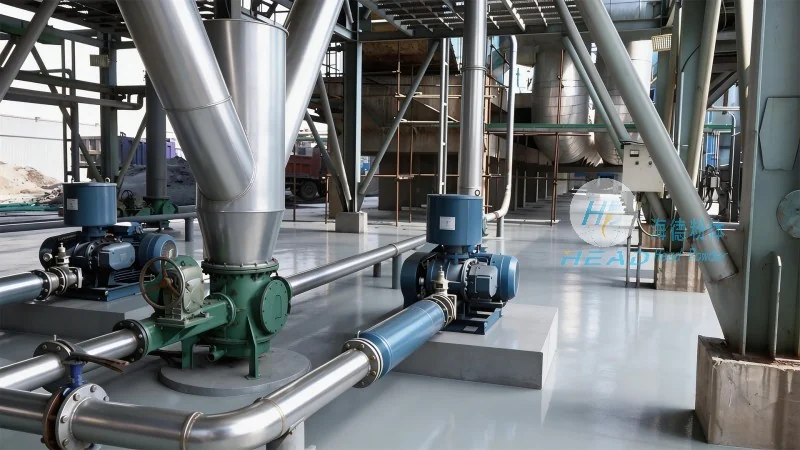
Company Introduction: Shandong HeadPowder Engineering Co., Ltd.
Shandong HeadPowder Engineering Co., Ltd., operating under the brand name HeadPowder, is a leading manufacturer and supplier of pneumatic conveying systems and related equipment. With a strong focus on innovation and quality, the company has established itself as a trusted partner in the bulk material handling industry. HeadPowder specializes in designing and manufacturing customized solutions for various applications, including rice husk transportation, ensuring that each system meets the specific requirements of its clients.
The company's headquarters is located in Shandong, China, where it has a state-of-the-art manufacturing facility equipped with advanced technology and skilled workforce. HeadPowder adheres to international quality standards and employs rigorous testing procedures to ensure the reliability and performance of its products. The company's commitment to customer satisfaction and technical excellence has earned it a reputation for delivering high-quality, efficient, and durable pneumatic conveying systems.
HeadPowder's team of experienced engineers and technicians work closely with clients to understand their operational needs and provide tailored solutions. From initial consultation and system design to installation and after-sales support, the company offers comprehensive services to ensure the successful implementation and long-term operation of the rice husk pneumatic conveying systems. By leveraging its expertise and advanced technology, HeadPowder helps clients optimize their material handling processes, reduce costs, and enhance overall productivity.
Conclusion
Rice husk pneumatic conveying systems are an essential component in the efficient handling and transportation of rice husk, offering significant advantages over traditional methods. The working principle, which relies on air pressure or vacuum to move the material through a pipeline, combined with key features such as low maintenance, flexibility, and energy efficiency, makes these systems a preferred choice for various industries. As a leading provider in the field, Shandong HeadPowder Engineering Co., Ltd. continues to innovate and deliver high-quality solutions that meet the evolving needs of its clients, contributing to the sustainable and efficient use of rice husk in industrial applications.