

Delivery Methods of Lithium Oxalate
When it comes to the transportation of lithium oxalate, there are several effective methods that ensure the safe and efficient delivery of this critical chemical. Lithium oxalate is widely used in various industries, including battery manufacturing, pharmaceuticals, and chemical synthesis, making reliable delivery systems essential for maintaining production efficiency and product quality. The choice of delivery method often depends on factors such as the scale of operation, the distance to be covered, and the specific requirements of the end-use application.
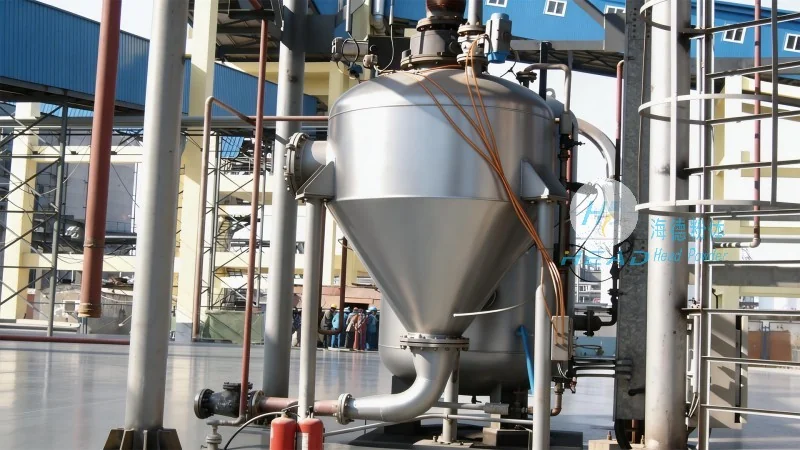
Key Delivery Methods for Lithium Oxalate
There are primarily three main approaches to transporting lithium oxalate: bulk handling, packaged delivery, and specialized pumping systems. Each method has its own advantages and is suitable for different scenarios. Bulk handling typically involves the use of large storage tanks and pipelines, which is ideal for high-volume production facilities. Packaged delivery, on the other hand, is more common for smaller-scale operations or when the material needs to be transported to distant locations. Specialized pumping systems are crucial for ensuring the consistent flow of lithium oxalate, especially when dealing with its properties, such as its reactivity and potential for scaling in pipes.
Bulk Handling and Pipeline Transportation
For large-scale industrial applications, bulk handling through pipelines is a common and efficient method. This approach involves storing lithium oxalate in large storage tanks and then pumping it through a network of pipes to various processing units. The use of stainless steel or specialized corrosion-resistant materials for the pipelines is essential to prevent any chemical reactions that could damage the infrastructure or compromise the purity of the lithium oxalate. The pumping system typically includes centrifugal pumps or positive displacement pumps, which are chosen based on the viscosity and flow rate requirements. Regular maintenance and monitoring of the pipeline system are crucial to ensure consistent delivery and to prevent any leaks or blockages that could disrupt production.
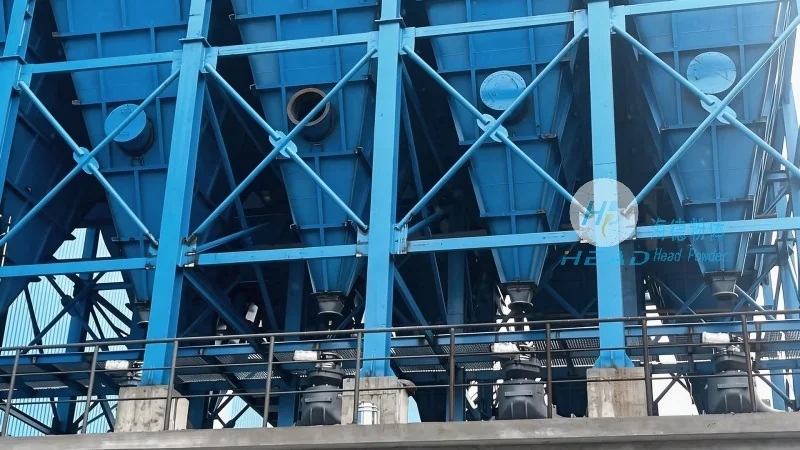
Packaged Delivery and Storage Solutions
Packaged delivery is often used for smaller quantities or when the lithium oxalate needs to be transported to locations that are not directly connected to a pipeline system. This method involves storing the chemical in containers such as plastic drums, metal drums, or bulk bags. The containers are designed to be airtight and resistant to moisture and chemical corrosion to maintain the integrity of the lithium oxalate. For long-distance transportation, these packages are usually loaded onto trucks or railcars, ensuring that the material is handled carefully to avoid spills or contamination. The packaging also includes proper labeling and handling instructions to comply with safety regulations and to ensure that the material is used correctly by the end-user.
Specialized Pumping and Handling Equipment
Specialized equipment is often required to handle lithium oxalate due to its chemical properties. For example, some lithium oxalate solutions may have a tendency to form scale or precipitate, which can clog pipes or pumps. To address this, manufacturers use anti-scaling agents or employ pumps with self-cleaning mechanisms. Additionally, the use of temperature-controlled systems is important, as lithium oxalate can be sensitive to temperature changes, which may affect its solubility or reactivity. The equipment used for pumping and handling is regularly inspected and maintained to ensure that it operates efficiently and safely. This includes checking for wear and tear, replacing seals and gaskets as needed, and performing regular cleaning to prevent the buildup of any residues that could affect the performance of the system.

Ensuring Safety and Compliance in Delivery
When delivering lithium oxalate, safety is a top priority. The chemical is classified as a hazardous material in many regions, and therefore, all delivery processes must comply with local and international safety regulations. This includes proper labeling of containers, using appropriate personal protective equipment (PPE) for handlers, and implementing emergency response plans in case of spills or accidents. The transportation vehicles and equipment must also be equipped with necessary safety features, such as spill containment systems and fire suppression equipment. Regular training for personnel involved in the delivery process is essential to ensure that they are aware of the potential risks and know how to handle any incidents effectively. By adhering to these safety measures, companies can minimize the risks associated with transporting lithium oxalate and ensure the well-being of their employees and the environment.
About Shandong HeadPowder Engineering Co., Ltd.
Shandong HeadPowder Engineering Co., Ltd., commonly known as HeadPowder, is a leading manufacturer and supplier of lithium oxalate and related chemical products. The company is headquartered in Shandong, China, and has established itself as a reliable partner for industries that require high-quality lithium oxalate for their manufacturing processes. HeadPowder specializes in the production of lithium oxalate with strict quality control measures, ensuring that the product meets international standards and customer specifications. The company's commitment to quality and safety has earned it a reputation for excellence in the industry, making it a trusted choice for businesses worldwide. With a focus on innovation and customer satisfaction, HeadPowder continues to provide top-tier lithium oxalate solutions to meet the evolving needs of its clients.