

What is a Gray Bin Powder Pneumatic Conveying Machine? And What Are Its Design Principles?
Welcome to the official website of Shandong HeadPowder Engineering Co., Ltd., a leading manufacturer specializing in advanced powder handling solutions. In this article, we will delve into the world of gray bin powder pneumatic conveying machines, exploring what they are and the intricate design principles that underpin their operation. As a key component in modern material handling systems, these machines play a crucial role in efficiently transporting bulk powders over long distances with minimal maintenance and high reliability.
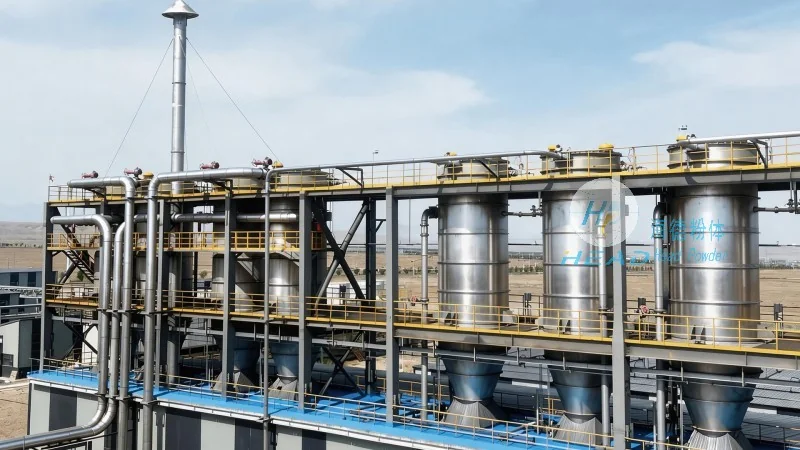
Understanding the Gray Bin Powder Pneumatic Conveying Machine
A gray bin powder pneumatic conveying machine is a specialized system designed to transport dry powders or granules from a storage bin to a processing or packaging unit. The "gray bin" typically refers to the storage hopper or silo where the material is initially stored, and the system uses compressed air or gas to create a flow that moves the powder through a pipeline network. This method offers several advantages over traditional mechanical conveying systems, including reduced risk of material contamination, lower installation costs for long-distance transport, and the ability to handle a wide range of powder types without the need for additional equipment like conveyors or elevators.
Key Components of the Gray Bin Powder Pneumatic Conveying System
The gray bin powder pneumatic conveying machine consists of several critical components that work in tandem to ensure efficient operation. The primary components include the storage bin (gray bin), a feeder mechanism, a venturi or eductor, a pipeline system, and a receiver or discharge unit. The storage bin is usually made of stainless steel or other corrosion-resistant materials to maintain the quality of the powder and prevent contamination. The feeder, often a rotary valve or a screw feeder, regulates the flow of material from the bin into the conveying line. The venturi or eductor is the heart of the system, using the pressure drop created by the compressed air to draw the powder into the pipeline. The pipeline network connects the storage bin to the discharge point, and the receiver collects the material at the end of the process. Each component is carefully designed to handle the specific characteristics of the powder being transported, such as particle size, moisture content, and flowability.
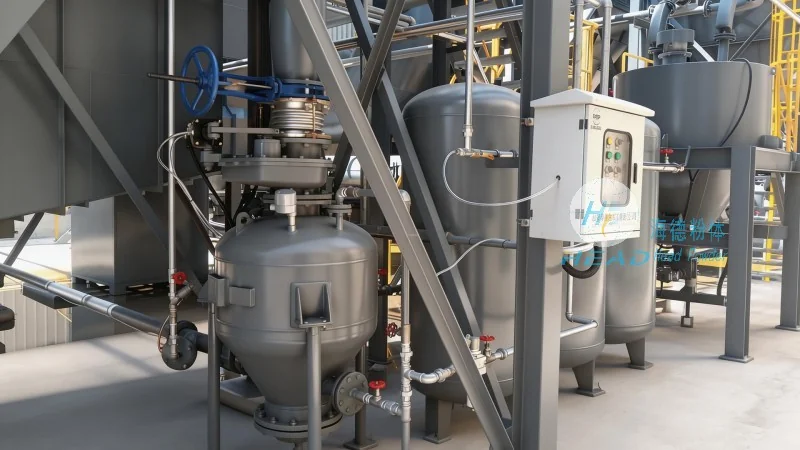
The Working Principle: How It Transports Powders
The operation of a gray bin powder pneumatic conveying machine is based on the principle of pneumatic transport, where compressed air is used to create a flow that carries the powder particles. The process begins when the feeder opens and allows a controlled amount of powder to enter the venturi or eductor. As the compressed air passes through the narrow throat of the venturi, it creates a low-pressure zone that draws the powder particles into the air stream. The mixture of air and powder then travels through the pipeline to the receiver, where the air is separated from the material and discharged through a filter or vent. The powder is collected in the receiver and can be further processed or packaged. This method is particularly effective for powders that are difficult to handle mechanically, such as fine powders that tend to clog or agglomerate, as the air flow prevents particle buildup and maintains a consistent flow rate.
Design Principles for Efficient and Reliable Operation
The design of a gray bin powder pneumatic conveying machine involves several key principles aimed at maximizing efficiency, minimizing energy consumption, and ensuring long-term reliability. One of the primary design considerations is the selection of the appropriate air velocity and pressure. The air velocity must be high enough to prevent particle settling in the pipeline but low enough to avoid excessive wear on the system components. The pressure drop across the venturi is carefully calculated to ensure sufficient suction to draw the powder into the line without excessive energy consumption. Another critical design principle is the proper sizing of the pipeline diameter and length. The pipeline diameter is determined based on the powder flow rate and the air velocity required to maintain a stable flow. The length of the pipeline is optimized to minimize pressure losses and energy costs, while also considering the need for bends and fittings that may affect the flow characteristics. Additionally, the system is designed with features to prevent material buildup and blockages, such as air knives or cleaning mechanisms that can be activated to clear the pipeline if necessary. The use of corrosion-resistant materials, such as stainless steel or coated components, is also essential to ensure the longevity of the system, especially when handling powders that may be acidic or abrasive. Proper maintenance and regular inspections are also integral to the design, as they help to identify and address issues before they lead to system failure.
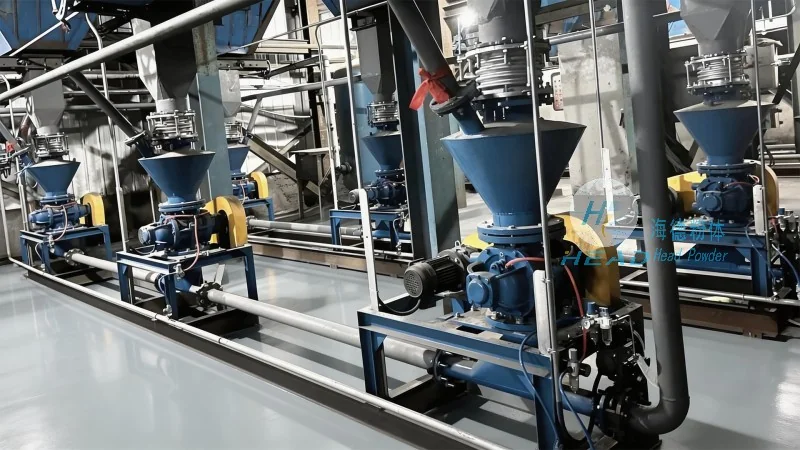
Applications and Benefits in Industrial Settings
Gray bin powder pneumatic conveying machines are widely used in various industrial applications where bulk powder handling is required. These include pharmaceutical manufacturing, food processing, chemical production, and mining operations. In pharmaceutical manufacturing, for example, the system is used to transport active pharmaceutical ingredients (APIs) and excipients from storage bins to mixing or packaging lines, ensuring that the powders are handled in a sterile and contamination-free environment. In food processing, the machine is used to transport ingredients like flour, sugar, or spices from storage to production lines, maintaining the quality and safety of the final products. In chemical production, the system is used to handle various powders, such as catalysts or reagents, which may be hazardous or sensitive to moisture. The benefits of using a gray bin powder pneumatic conveying machine in these applications include improved process efficiency, reduced labor costs, and enhanced product quality. The system's ability to handle fine powders without clogging or agglomeration also reduces the risk of product contamination and waste, making it a preferred choice for industries where precision and reliability are paramount.
Conclusion: The Role of Shandong HeadPowder Engineering Co., Ltd.
As a leading manufacturer of gray bin powder pneumatic conveying machines, Shandong HeadPowder Engineering Co., Ltd. specializes in providing customized solutions tailored to the specific needs of industrial clients. With a focus on quality, efficiency, and reliability, the company's products are designed to meet the highest standards of performance and durability. By incorporating advanced design principles and using high-quality materials, the machines offered by HeadPowder are capable of handling a wide range of powders with minimal maintenance and maximum efficiency. Whether for pharmaceutical, food, chemical, or mining applications, the gray bin powder pneumatic conveying machine is an essential component in modern material handling systems, and Shandong HeadPowder Engineering Co., Ltd. is committed to delivering innovative and reliable solutions to meet the evolving needs of the industry.