

Silica Material Handling System Equipment: Understanding It and Its Design Principles
At Shandong HeadPowder Engineering Co., Ltd. (headpowder), we specialize in the design and manufacturing of advanced material handling systems tailored for various industrial applications. One of our core products is the silica material handling system equipment, which plays a crucial role in efficiently transporting silica materials through different industrial processes. This article aims to explore what this equipment is and delve into its fundamental design principles.
Understanding Silica Material Handling System Equipment
Silica, also known as silicon dioxide (SiO₂), is a widely used industrial material found in applications ranging from construction to electronics and pharmaceuticals. The silica material handling system equipment is specifically engineered to handle, transport, and process silica materials with precision and efficiency. These systems are designed to meet the unique challenges posed by silica's physical properties, such as its fine particle size, abrasive nature, and varying moisture content. By integrating advanced technologies and robust engineering, our systems ensure safe and reliable operation in demanding industrial environments.
Key Components of the Silica Material Handling System
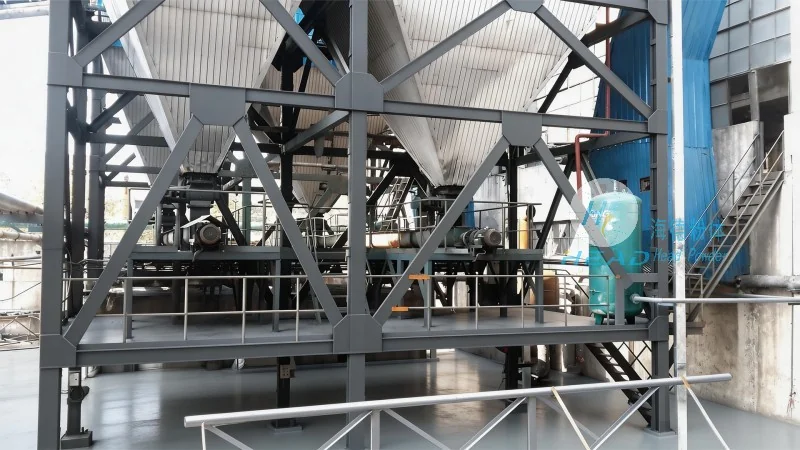
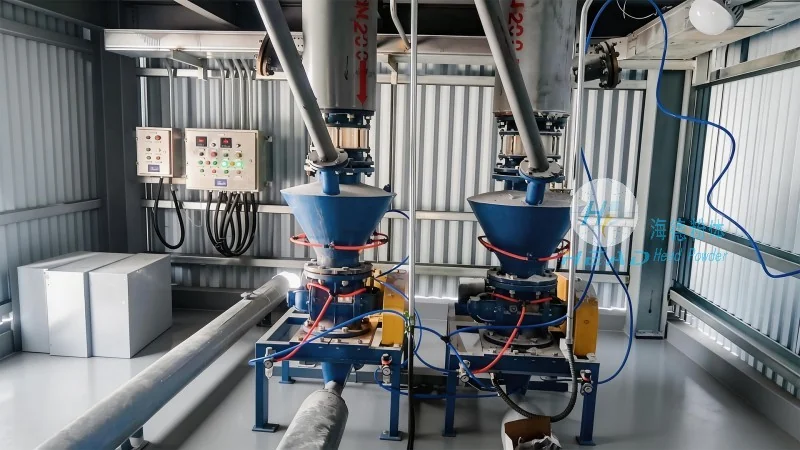
The silica material handling system typically consists of several critical components that work in tandem to achieve optimal performance. These components include feeders, conveyors, storage silos, and control systems. Feeders are responsible for uniformly distributing the silica material into the system, ensuring consistent flow rates. Conveyors, such as belt conveyors or pneumatic systems, transport the material from one stage to another. Storage silos provide temporary storage, allowing for buffer capacity and smooth operation during fluctuations in production. Control systems, equipped with sensors and automation technology, monitor and regulate the entire process, enhancing safety and operational efficiency.
Design Principles for Silica Material Handling Systems
The design of silica material handling systems follows several key principles to ensure durability, efficiency, and safety. First, the system must be constructed from materials that can withstand the abrasive nature of silica particles, preventing wear and tear over time. This often involves using high-quality stainless steel or specialized coatings on components like hoppers and chutes. Second, the system is designed to minimize material degradation and contamination, which is critical for maintaining product quality. This includes implementing sealed systems and proper cleaning protocols. Third, the design prioritizes energy efficiency, reducing operational costs while maintaining performance. Finally, safety is a paramount consideration, with features like emergency stop buttons, overload protection, and dust suppression systems integrated into the design.
Applications and Benefits of Silica Material Handling Systems
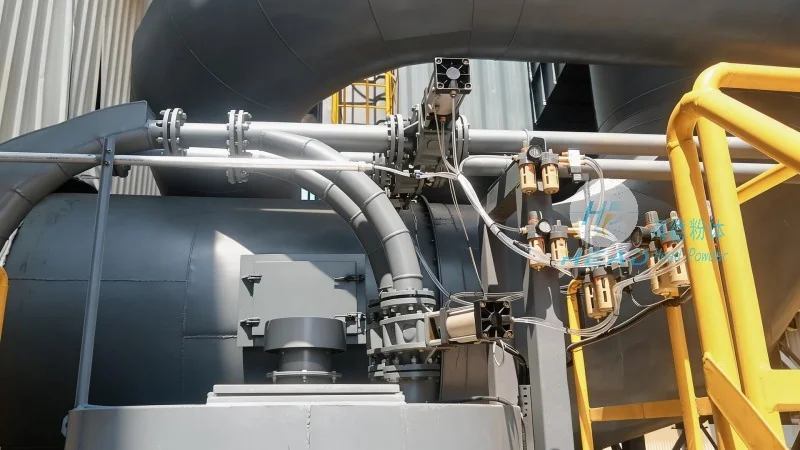
Silica material handling systems are used in a wide range of industries, including construction, glass manufacturing, and pharmaceuticals. In construction, these systems efficiently transport silica sand for concrete production. In glass manufacturing, they handle raw silica materials for glassmaking processes. The benefits of using such systems include improved productivity, reduced labor costs, and enhanced safety. By automating the material handling process, industries can achieve higher throughput and lower operational risks. Additionally, the systems help maintain consistent material quality, which is essential for meeting stringent industry standards.
Customization and Innovation at HeadPowder
At Shandong HeadPowder Engineering Co., Ltd., we understand that each industrial application has unique requirements. Therefore, our silica material handling systems are highly customizable to meet specific client needs. We work closely with clients to design systems that optimize their production processes, considering factors such as material characteristics, production volume, and space constraints. Our team of experienced engineers leverages cutting-edge technology and innovative solutions to develop tailored systems that deliver superior performance. Whether it's a new installation or an upgrade to an existing system, we provide comprehensive support from design to installation and maintenance.