

What is Sodium Fluorosilicate Powder Conveying System Equipment? And What Are Its Design Principles?
For industrial applications that involve the handling of sodium fluorosilicate, a specialized powder conveying system is often required to ensure efficient and safe material transport. This equipment is designed to manage the unique properties of sodium fluorosilicate, a white crystalline powder commonly used in various chemical processes. The system's effectiveness depends heavily on its design, which integrates several key components and principles to optimize performance.
Introduction to Sodium Fluorosilicate Powder Conveying Systems
Sodium fluorosilicate (Na₂SiF₆) is a chemical compound widely utilized in industries such as glass manufacturing, water treatment, and the production of other fluorine-based chemicals. Its handling requires specialized equipment due to its fine particle size and potential for dust generation. A powder conveying system for sodium fluorosilicate typically includes components like hoppers, feeders, conveyors, and control systems, all working in tandem to move the material from storage to processing units. The design of such a system must address challenges like dust control, material flow consistency, and the prevention of clogging or blockages, which are common in handling fine powders.
Key Components of the Conveying System
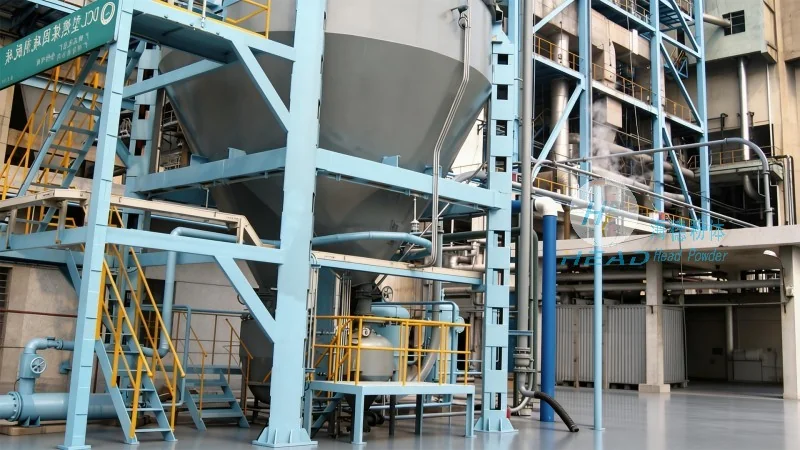
The core components of a sodium fluorosilicate powder conveying system include storage hoppers, which are designed to hold the bulk material and maintain a consistent feed rate. These hoppers often feature sloped sides to facilitate smooth material flow and prevent agglomeration. The feeder, typically a rotary or vibratory type, regulates the amount of powder released into the conveyor. For sodium fluorosilicate, a feeder that can handle fine powders without causing excessive wear or clogging is essential. The conveyor itself may be a pneumatic system, using air to transport the powder, or a mechanical system like a screw or belt conveyor, depending on the specific application requirements. Pneumatic conveying is particularly effective for sodium fluorosilicate due to its ability to handle fine particles and minimize dust exposure.
Design Principles for Efficient Material Handling
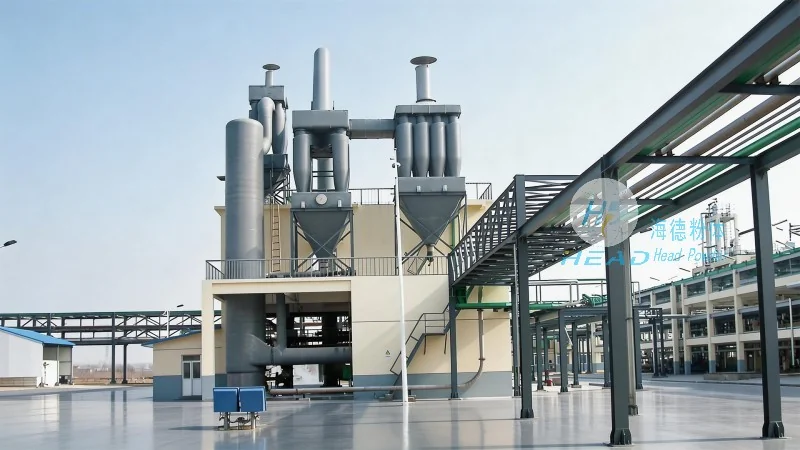
The design of a sodium fluorosilicate powder conveying system is guided by several fundamental principles to ensure optimal performance. One of the primary principles is maintaining a consistent material flow rate, which is crucial for downstream processes that rely on precise dosing. This is achieved through the use of controlled feeders and proper hopper design to prevent surges or fluctuations in material delivery. Another key principle is dust control, as sodium fluorosilicate is a fine powder that can create hazardous dust clouds if not properly contained. The system incorporates sealed hoppers, enclosed conveyors, and dust collection systems to minimize airborne particles and ensure workplace safety. Additionally, the design must consider the material's properties, such as its tendency to stick to surfaces or form clumps, by incorporating features like vibration or heating elements to maintain flowability. The system's layout is also optimized to minimize the distance material travels and reduce energy consumption, making the operation more efficient and cost-effective.
Role of Shandong HeadPowder Engineering Co., Ltd. in System Design
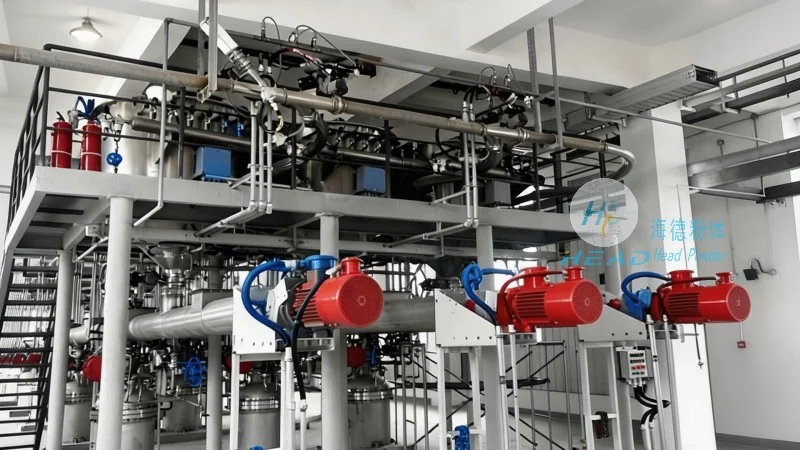
Shandong HeadPowder Engineering Co., Ltd., a leading provider of powder handling solutions, specializes in designing and manufacturing sodium fluorosilicate powder conveying systems tailored to the needs of various industries. With years of experience in the field, the company understands the unique challenges associated with handling sodium fluorosilicate and has developed advanced solutions to address them. The company's engineers work closely with clients to assess their specific requirements, such as the scale of operation, the desired flow rate, and the environmental regulations in their region. Based on this assessment, they design a customized system that incorporates the latest technologies and materials to ensure reliability and efficiency. For example, the company may use high-quality stainless steel components to prevent corrosion from the acidic nature of sodium fluorosilicate, or integrate advanced control systems to monitor and adjust the conveying process in real-time. The goal is to provide a system that not only meets the technical specifications but also adheres to safety and environmental standards.
Benefits of a Well-Designed Conveying System
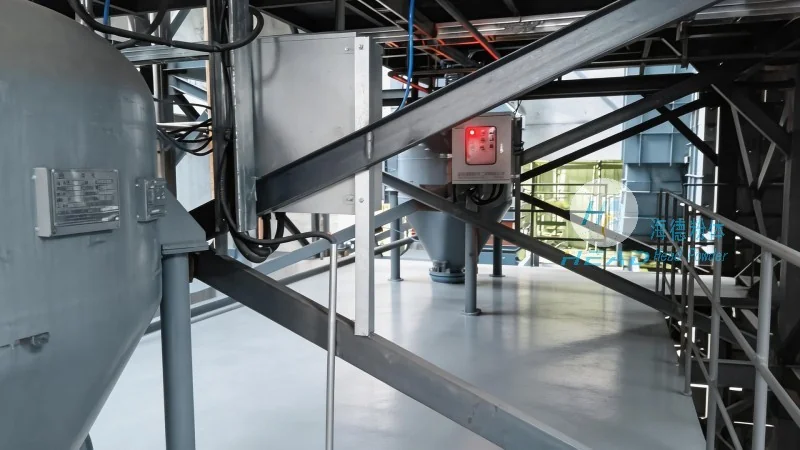
A well-designed sodium fluorosilicate powder conveying system offers numerous benefits to industrial operations. Firstly, it enhances safety by reducing dust exposure and preventing the buildup of explosive dust clouds. This is critical in compliance with occupational health and safety regulations. Secondly, it improves operational efficiency by ensuring consistent material flow, which leads to more stable and reliable downstream processes. The system also reduces downtime by minimizing the risk of clogging or blockages, which can cause significant disruptions in production. Additionally, the optimized design helps lower energy consumption and maintenance costs over the long term, providing a better return on investment. For industries that rely on sodium fluorosilicate as a key raw material, investing in a high-quality conveying system is essential to maintain productivity and meet quality standards.
Conclusion
In summary, a sodium fluorosilicate powder conveying system is a critical piece of equipment for industries that handle this chemical compound. Its design must integrate several key components and adhere to specific principles to ensure efficient, safe, and reliable material transport. Companies like Shandong HeadPowder Engineering Co., Ltd. play a vital role in providing customized solutions that address the unique challenges of sodium fluorosilicate handling. By investing in a well-designed system, industrial operations can enhance safety, improve efficiency, and maintain compliance with regulatory requirements, ultimately contributing to the success of their production processes.