

What is an Aluminum Foil Powder Conveyor? What are its Design Principles?
Aluminum foil powder conveyors are specialized equipment designed to handle and transport aluminum foil powders efficiently. These systems are crucial in industries where aluminum foil powders are processed, as they ensure safe, reliable, and controlled movement of the material. Understanding the design principles behind such conveyors is essential for optimizing performance and maintaining product integrity.
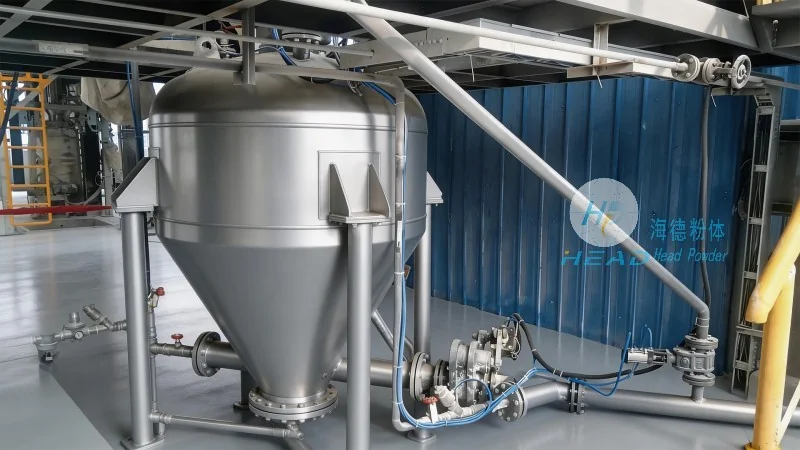
Introduction to Aluminum Foil Powder Conveyors
Aluminum foil powder conveyors, also known as powder handling systems, are engineered to transport aluminum foil powders from one location to another within industrial settings. These systems are commonly used in manufacturing processes that involve aluminum foil powders, such as in the production of aluminum foil products, packaging materials, or other related applications. The primary goal of these conveyors is to ensure the smooth and consistent movement of the powder, minimizing the risk of clogging, segregation, or contamination.
HeadPowder: A Leading Provider of Aluminum Foil Powder Conveyors
Shandong HeadPowder Engineering Co., Ltd., a prominent company based in China, specializes in the design, manufacturing, and supply of aluminum foil powder conveyors. With a strong commitment to quality and innovation, HeadPowder has established itself as a trusted partner in the industry, delivering reliable and efficient powder handling solutions to clients worldwide. The company's headquarters is located in Shandong, China, where its team of experts develops and refines conveyor systems tailored to meet the unique needs of each client.
Key Design Principles of Aluminum Foil Powder Conveyors
The design of aluminum foil powder conveyors is based on several critical principles that ensure optimal performance and durability. These principles include material compatibility, which ensures that the conveyor components do not react with or degrade the aluminum foil powder. Additionally, the design considers the flow characteristics of the powder, such as its density, particle size, and moisture content, to prevent issues like bridging or agglomeration. Another key principle is the use of appropriate sealing and containment measures to maintain the purity of the powder and prevent environmental contamination.
Furthermore, the design incorporates features that enhance the efficiency and safety of the conveyor system. For instance, many aluminum foil powder conveyors are equipped with variable speed drives, allowing operators to adjust the flow rate according to the specific requirements of the process. This flexibility is particularly important in applications where the powder's properties may vary or where different processing stages require different handling speeds. The conveyors also often include visual monitoring systems, such as sight glasses or cameras, to enable real-time observation of the powder flow and detect any potential issues promptly.
Components and Functionalities of Aluminum Foil Powder Conveyors
Aluminum foil powder conveyors typically consist of several key components that work together to achieve efficient material transport. The main components include a hopper or feed bin, which holds the aluminum foil powder and feeds it into the conveyor system. The hopper is designed to minimize the risk of powder bridging and to ensure a consistent flow of material. From the hopper, the powder is transferred to a conveyor section, which may be a screw conveyor, a pneumatic conveyor, or a combination of both, depending on the specific application and material characteristics.
Screw conveyors are commonly used for aluminum foil powder conveyors due to their ability to handle a wide range of powder types and their relatively simple design. These conveyors use a rotating screw to move the powder forward, with the speed and pitch of the screw being adjustable to control the flow rate. Pneumatic conveyors, on the other hand, use air pressure to transport the powder through a pipeline, which is particularly effective for handling fine powders or powders that are sensitive to mechanical stress. The choice between screw and pneumatic conveyors depends on factors such as the powder's properties, the required distance of transport, and the desired level of control over the flow.
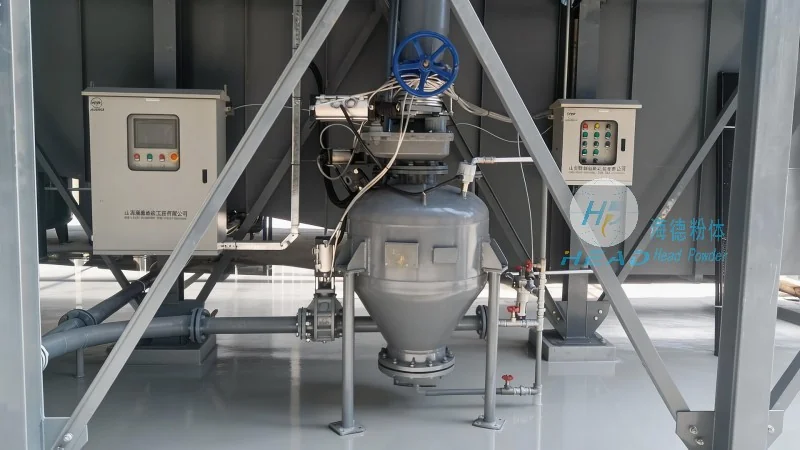
Additionally, aluminum foil powder conveyors may include components such as rotary valves, which act as gate valves to control the flow of powder from the hopper to the conveyor section. These valves are crucial for maintaining a consistent flow rate and preventing backflow or spillage. The conveyor system may also be equipped with cleaning mechanisms, such as brushes or scrapers, to remove any buildup of powder on the conveyor surfaces and ensure smooth operation over time.
Applications and Benefits of Aluminum Foil Powder Conveyors
Aluminum foil powder conveyors are widely used in various industries that rely on aluminum foil powders. Some common applications include the production of aluminum foil packaging, where the powder is used to coat or laminate the foil, and the manufacturing of aluminum foil products, such as foils for food packaging or industrial applications. In these industries, the efficient and reliable transport of aluminum foil powders is essential for maintaining production rates and ensuring product quality.
The benefits of using aluminum foil powder conveyors extend beyond just efficient material transport. These systems help to reduce labor costs by automating the powder handling process, which minimizes the need for manual handling and reduces the risk of human error. Additionally, the use of conveyors helps to improve product quality by maintaining the purity of the aluminum foil powder and preventing contamination from external sources. This is particularly important in applications where the powder is used in food or pharmaceutical products, where strict quality standards must be met.
Furthermore, aluminum foil powder conveyors contribute to improved safety in the workplace. By automating the handling of powders, these systems reduce the risk of dust explosions or other hazards associated with handling fine powders. The enclosed design of the conveyor system also helps to contain dust and prevent it from spreading into the environment, which is beneficial for both the workers and the surrounding community.
Maintenance and Operational Considerations for Aluminum Foil Powder Conveyors
Proper maintenance and operational considerations are essential for ensuring the long-term performance and reliability of aluminum foil powder conveyors. Regular maintenance, such as cleaning the conveyor components and checking for wear and tear, is crucial to prevent issues like clogging or reduced efficiency. The frequency of maintenance depends on the specific application and the characteristics of the aluminum foil powder being handled, but typically involves routine checks and cleaning at regular intervals.
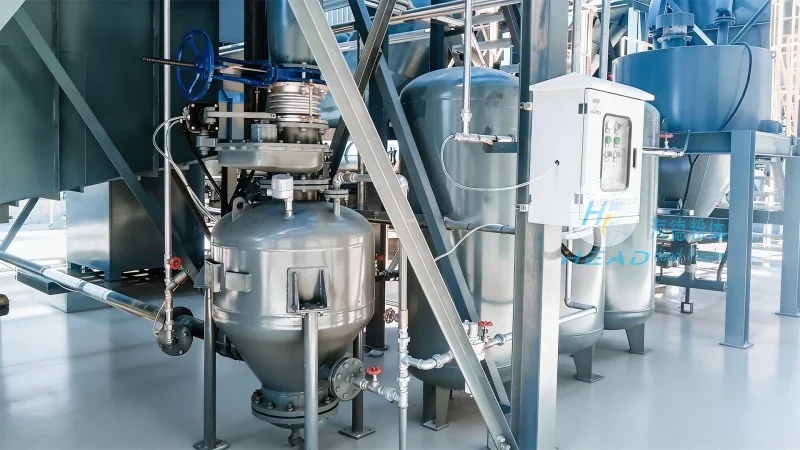
Operational considerations also include monitoring the conveyor system's performance and adjusting the settings as needed. For example, if the powder flow rate is too high or too low, the speed of the conveyor or the feed rate from the hopper can be adjusted to maintain optimal performance. Additionally, operators should be trained to recognize signs of potential issues, such as unusual noises or changes in the powder flow, and take appropriate action to address them promptly.
Another important consideration is the selection of appropriate materials for the conveyor components. The components must be resistant to corrosion and wear from the aluminum foil powder, as well as compatible with the powder's properties. For instance, stainless steel or other corrosion-resistant materials are often used for the conveyor screws and hoppers to ensure durability and prevent contamination. The choice of materials also affects the overall cost and lifespan of the conveyor system.
Future Trends and Innovations in Aluminum Foil Powder Conveyors
As technology advances, there are several trends and innovations emerging in the design and operation of aluminum foil powder conveyors. One such trend is the integration of automation and control systems, which allow for more precise control over the conveyor's operation and enable real-time monitoring of the powder flow. These systems can be connected to a central control panel or a computer, allowing operators to adjust settings remotely and monitor the system's performance from a single location.
Another innovation is the use of advanced materials in the construction of conveyor components. For example, some manufacturers are using high-performance polymers or composite materials that offer improved resistance to wear and corrosion, while also being lightweight and cost-effective. These materials can extend the lifespan of the conveyor system and reduce maintenance costs over time.
Additionally, there is a growing focus on sustainability in the design of aluminum foil powder conveyors. Manufacturers are developing systems that minimize energy consumption and reduce waste, such as using energy-efficient motors and incorporating recycling features into the conveyor design. These innovations not only benefit the environment but also help to reduce operating costs for the end-users.
Conclusion
In conclusion, aluminum foil powder conveyors are essential equipment for industries that handle aluminum foil powders, and understanding their design principles is crucial for optimizing performance and maintaining product quality. Companies like Shandong HeadPowder Engineering Co., Ltd. play a vital role in providing reliable and efficient conveyor systems that meet the unique needs of each client. By adhering to key design principles and incorporating appropriate components, these conveyors ensure safe and efficient transport of aluminum foil powders, contributing to improved productivity, quality, and safety in industrial settings.