

What is a Sponge Sand Material Conveying Line? And What Are Its Design Principles?
Understanding the role and design of sponge sand material conveying lines is crucial for industries that rely on efficient material handling. These systems are engineered to transport sponge sand, a type of lightweight, porous material often used in foundries and casting processes, with precision and reliability. The following sections will explore the fundamental concepts behind these conveying lines and their underlying design principles.
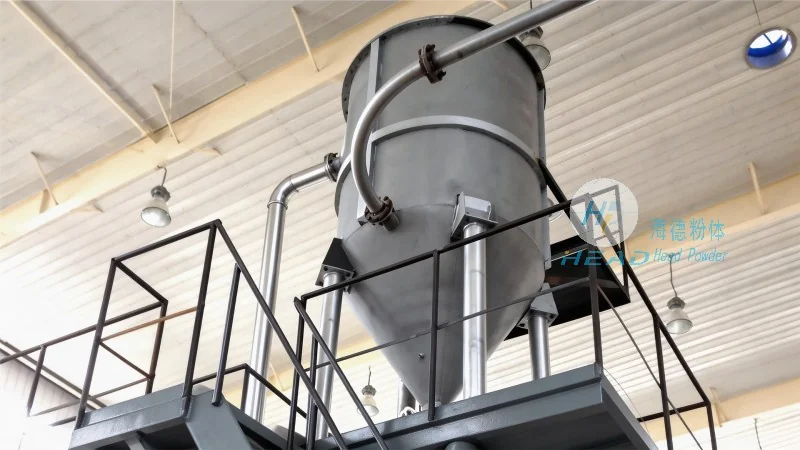
Key Components of a Sponge Sand Material Conveying Line
A typical sponge sand material conveying line consists of several critical components that work in tandem to ensure smooth operation. The primary elements include feed hoppers, conveyor belts or chains, pneumatic or mechanical drive systems, and control mechanisms. Each component plays a vital role in the overall functionality of the system. For instance, the feed hopper is responsible for storing and regulating the flow of sponge sand into the conveyor. The conveyor itself, which may be a belt or a chain-driven system, moves the material from the hopper to the discharge point. Drive systems, whether powered by electricity or compressed air, provide the necessary force to move the material along the path. Control mechanisms, such as sensors and valves, ensure that the conveying process is managed efficiently, preventing overloading or underflow. The design of these components must also consider the unique properties of sponge sand, such as its low density and tendency to generate dust, which may require enclosed or dust-tight enclosures to maintain environmental standards and prevent material loss.
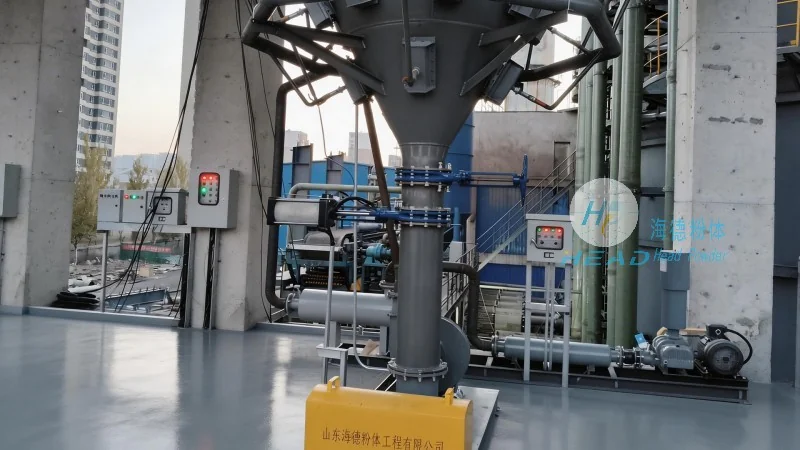
Design Principles for Efficient Material Transport
The design of a sponge sand material conveying line is guided by several key principles aimed at maximizing efficiency and minimizing operational issues. One of the primary principles is the consideration of material properties. Sponge sand is lightweight and can be prone to dust generation, which necessitates the use of enclosed or dust-tight systems to maintain environmental standards and prevent material loss. Another critical principle is the selection of appropriate conveyor technology. For sponge sand, which may have irregular shapes or varying sizes, a flexible or adjustable conveyor system is often preferred to avoid material blockages and ensure consistent flow. Additionally, the design must account for the need for gentle handling to prevent damage to the sponge sand's structure, as this can affect its performance in downstream processes like casting. Engineers at Shandong HeadPowder Engineering Co., Ltd. apply these principles rigorously, ensuring that each system is optimized for the specific characteristics of the sponge sand being handled.
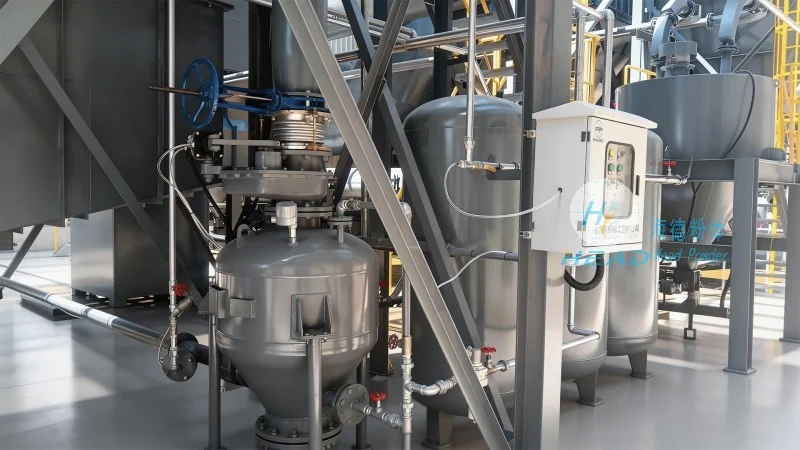
System Integration and Customization
Shandong HeadPowder Engineering Co., Ltd., a leading manufacturer based in China, specializes in the design and fabrication of customized sponge sand material conveying lines. The company's expertise lies in tailoring systems to meet the specific requirements of each client, whether it's for a small-scale foundry or a large industrial facility. Customization options include adjustments to conveyor length, width, and speed, as well as the integration of additional features such as dust collection systems or material sorting mechanisms. By working closely with clients, HeadPowder engineers ensure that the final system not only meets but exceeds operational expectations, providing long-term reliability and cost-effectiveness. The company's facilities in Shandong, China, are equipped with advanced manufacturing technologies and skilled personnel to handle the production of these complex systems.