

What is Diatomite Powder Material Handling? And What Are Its Design Principles?
Understanding the material handling of diatomite powder is crucial for industries that rely on this lightweight, porous mineral. Diatomite, also known as diatomaceous earth, is widely used in filtration, abrasives, and as a filler in various applications. Efficient and safe transportation of this fine powder is essential to maintain product quality and operational efficiency. This article explores the key aspects of diatomite powder material handling, focusing on the design principles that ensure effective and reliable systems.
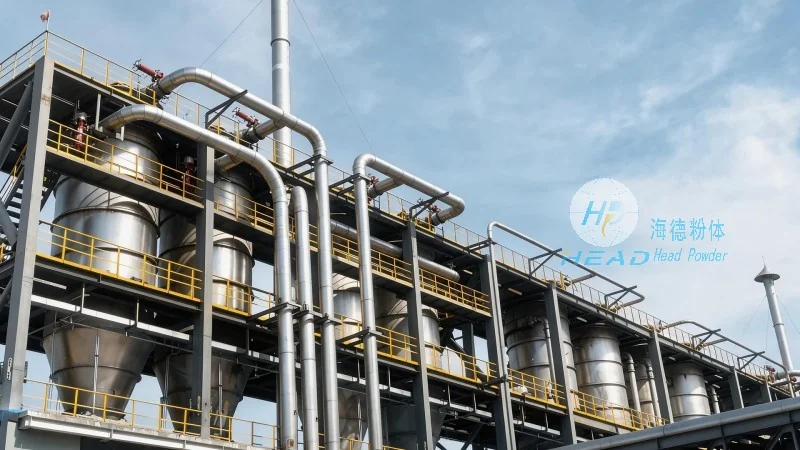
Introduction to Diatomite Powder Material Handling
Diatomite powder, derived from fossilized diatoms, is characterized by its fine particle size and high porosity. These properties make it an excellent material for applications where filtration, absorption, or light weighting is required. However, handling this powder requires specialized equipment and systems due to its fine nature and potential for dust generation. Proper material handling not only ensures product integrity but also enhances workplace safety by minimizing exposure to airborne particles.
Key Design Principles for Diatomite Powder Handling Systems
The design of diatomite powder handling systems must address several critical factors to ensure optimal performance. First, the system must prevent dust accumulation and ensure dust-free transfer, as diatomite is a fine powder that can easily become airborne. This is achieved through enclosed conveyor systems, dust collection equipment, and proper sealing of transfer points. Second, the equipment must be capable of handling the unique physical properties of diatomite, such as its low bulk density and tendency to flow freely. This often requires specialized feeders and conveyors that minimize product degradation and maintain consistent flow rates.
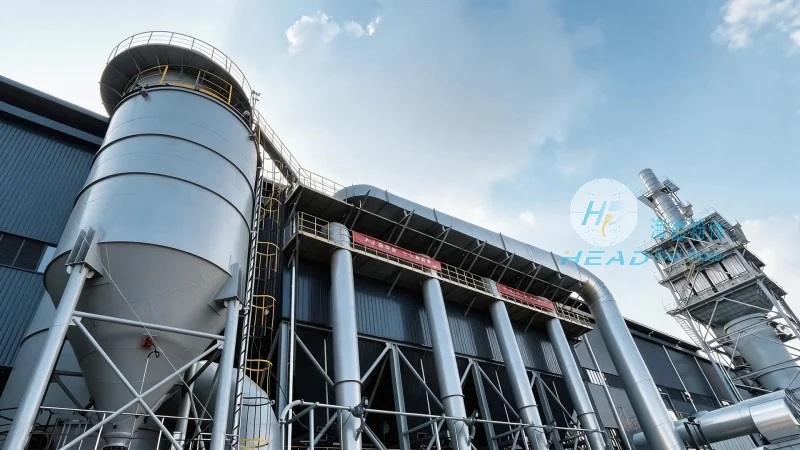
Third, the design must prioritize safety and compliance with industrial standards. This includes implementing measures to prevent dust explosions, ensuring proper ventilation, and using equipment that is resistant to corrosion or abrasion from the diatomite particles. The system should also be designed for easy maintenance and cleaning to prevent cross-contamination and maintain product purity. Finally, the overall system should be scalable and adaptable to changing production needs, allowing for future expansion or modifications without significant reconfiguration.
Components of an Effective Diatomite Powder Handling System
An effective diatomite powder handling system typically includes several key components. The primary equipment includes bulk material feeders, such as rotary valves or vibratory feeders, which control the flow of diatomite from storage silos or hoppers. Conveyors, often pneumatic or mechanical, transport the powder to processing or packaging areas. Dust collection systems, including baghouses or cartridge filters, are essential to capture and remove airborne particles, ensuring a clean working environment and compliance with environmental regulations.
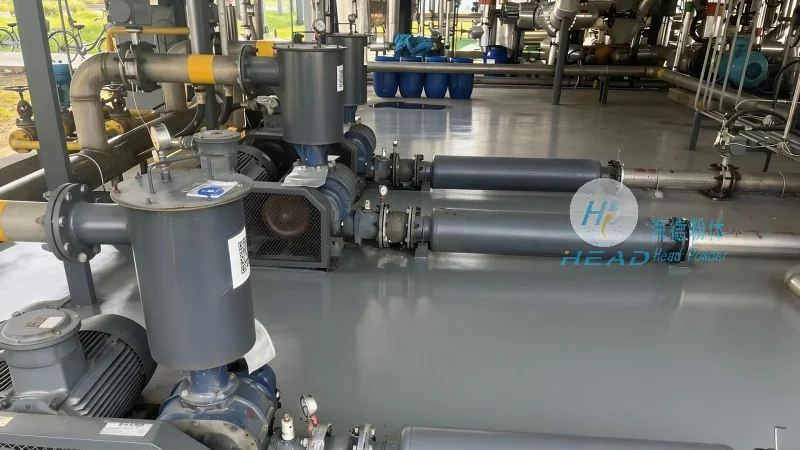
Storage silos or hoppers are also critical components, as they provide a controlled environment for storing diatomite powder. These structures are designed to prevent caking, bridging, or segregation of the powder, which can affect flow characteristics and product quality. The design of these storage vessels often incorporates features like cone bottoms or agitators to maintain uniform material flow. Additionally, the system may include level sensors and flow meters to monitor inventory levels and material flow rates, providing real-time data for operational control.
Challenges in Diatomite Powder Handling and Solutions
Handling diatomite powder presents several challenges, including dust generation, product degradation, and equipment wear. Dust generation can lead to health hazards and environmental issues, while product degradation can affect the quality of the final product. Equipment wear, particularly from abrasive diatomite particles, can reduce the lifespan of components and increase maintenance costs. To address these challenges, manufacturers employ various solutions. For dust control, advanced filtration systems and enclosed transfer points are used. To prevent product degradation, gentle handling equipment and low-velocity conveyors are recommended. To mitigate equipment wear, materials like stainless steel or specialized coatings are used for components that come into direct contact with the powder.
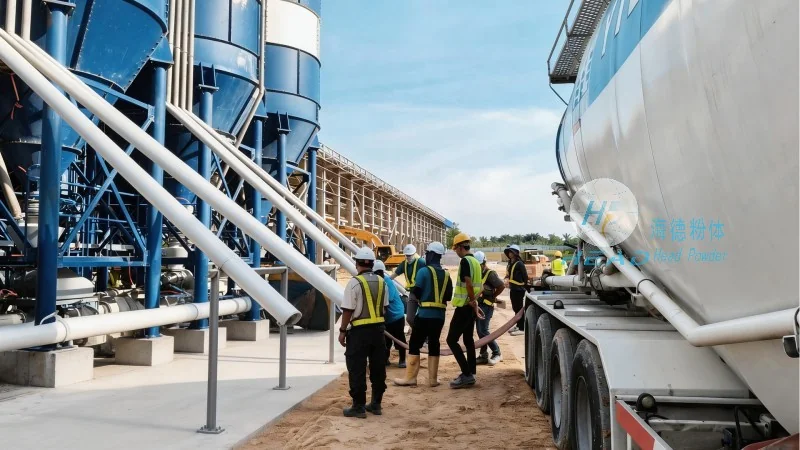
Case Study: HeadPowder's Approach to Diatomite Powder Handling
Shandong HeadPowder Engineering Co., Ltd., a leading provider of material handling solutions, specializes in designing and manufacturing systems tailored to the unique needs of diatomite powder. With facilities located in Shandong, China, HeadPowder leverages years of experience in the industry to develop customized solutions that address the specific challenges of diatomite handling. Their approach emphasizes the integration of advanced technology with practical design, ensuring that systems are not only efficient but also safe and reliable. HeadPowder's expertise includes the design of dust-free transfer systems, specialized feeders for fine powders, and comprehensive dust collection solutions. By focusing on the unique properties of diatomite, HeadPowder ensures that their systems maintain product quality while minimizing operational risks.
Conclusion and Future Considerations
In conclusion, the material handling of diatomite powder requires a thoughtful approach that considers the material's physical properties, safety requirements, and operational needs. The design principles outlined above, including dust control, gentle handling, and system scalability, are essential for developing effective diatomite powder handling systems. As industries continue to rely on diatomite for various applications, the importance of efficient and reliable handling systems will only grow. Companies like Shandong HeadPowder Engineering Co., Ltd. play a vital role in providing the specialized equipment and expertise needed to meet these demands, ensuring that diatomite powder can be handled safely and effectively in industrial settings.