

Common Calcium Carbonate Conveying Methods: Advantages and Features of HeadPowder's Pneumatic Conveying Technology
Calcium carbonate (CaCO₃) is a widely used industrial material, serving as a key component in various sectors such as construction, plastics, paper, and coatings. The efficient and reliable transportation of calcium carbonate is crucial for maintaining production efficiency and product quality. Traditional conveying methods like gravity flow, belt conveyors, and screw conveyors have been widely adopted, but they often face challenges related to material handling, dust control, and operational flexibility. This article explores common calcium carbonate conveying methods and highlights the advantages and features of HeadPowder's pneumatic conveying technology, a leading solution for modern industrial applications.
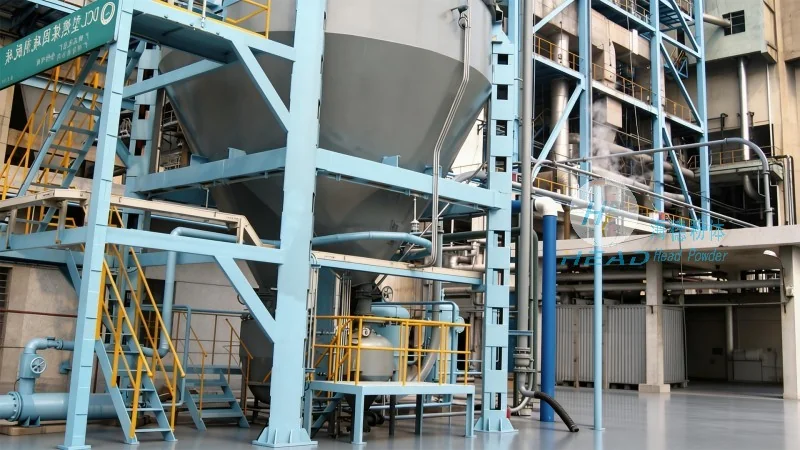
Overview of Common Calcium Carbonate Conveying Methods
Calcium carbonate is typically transported using several conventional methods, each with its own set of advantages and limitations. Gravity flow systems utilize the natural slope of the material to move it from one point to another, often requiring inclined chutes or hoppers. While simple and low-cost, gravity flow is limited by the material's angle of repose and the need for sufficient vertical drop, making it unsuitable for long-distance or complex layouts. Belt conveyors are another common option, using a continuous belt to transport bulk materials. They offer high capacity and can handle long distances, but they are prone to material spillage, require regular maintenance, and may not be ideal for fine powders like calcium carbonate due to the risk of dust generation and material degradation.
Screw conveyors, also known as auger conveyors, use rotating screws to move material along a tube or trough. They are suitable for vertical or horizontal transport and can handle a wide range of materials, including powders and granules. However, screw conveyors have limitations when dealing with abrasive or sticky materials, as the screws and trough can experience wear and clogging. Additionally, they may not be effective for very fine powders, as the screw's design can cause segregation or uneven flow.
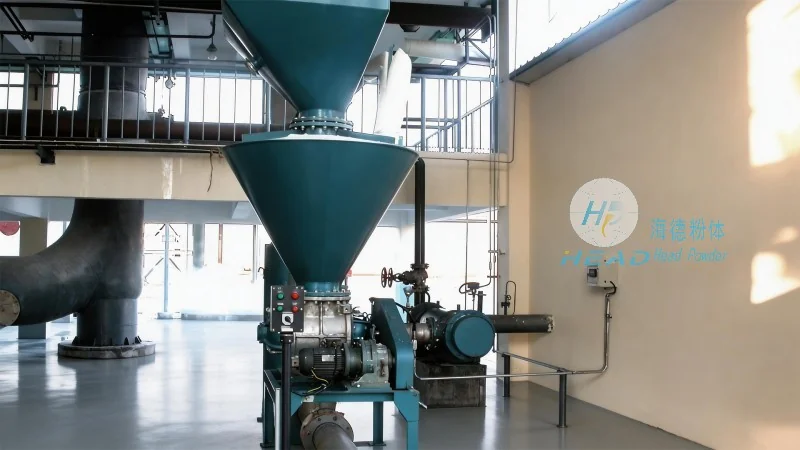
HeadPowder's Pneumatic Conveying Technology: A Superior Solution
HeadPowder, a leading provider of bulk material handling solutions, specializes in pneumatic conveying systems for calcium carbonate and other fine powders. Pneumatic conveying uses compressed air or gas to transport material through a pipeline, offering a flexible, dust-free, and efficient method for moving calcium carbonate from storage to processing units. The technology is particularly well-suited for applications requiring long-distance transport, high capacity, and precise control over material flow.
One of the key advantages of HeadPowder's pneumatic conveying systems is their ability to handle fine, abrasive, and dusty calcium carbonate without causing material degradation or equipment wear. The system's design incorporates advanced components such as high-efficiency cyclones, rotary valves, and airlocks, which ensure consistent material transport and minimal loss. This results in improved product quality and reduced maintenance costs compared to traditional conveying methods.
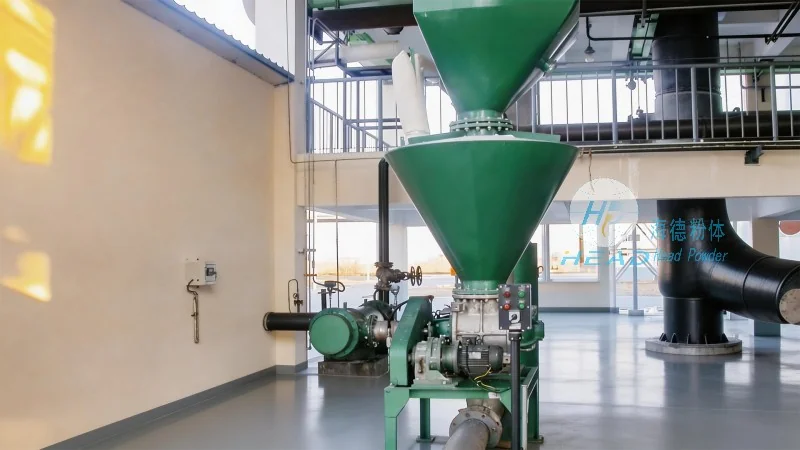
Key Features and Benefits of HeadPowder's Pneumatic Conveying
HeadPowder's pneumatic conveying technology offers several distinct features that make it an ideal choice for calcium carbonate applications. Firstly, the system provides a dust-free environment, which is critical for maintaining product purity and ensuring workplace safety. Unlike mechanical conveyors, pneumatic systems do not generate significant dust, reducing the risk of contamination and improving air quality in the facility.
Secondly, the technology offers high flexibility and scalability. Pneumatic conveying systems can be easily adapted to changing production needs, with the ability to add or modify pipeline sections as required. This flexibility is particularly valuable in industries where production volumes or product specifications may vary over time. Additionally, the system can handle both horizontal and vertical transport, allowing for complex layouts that optimize space utilization.
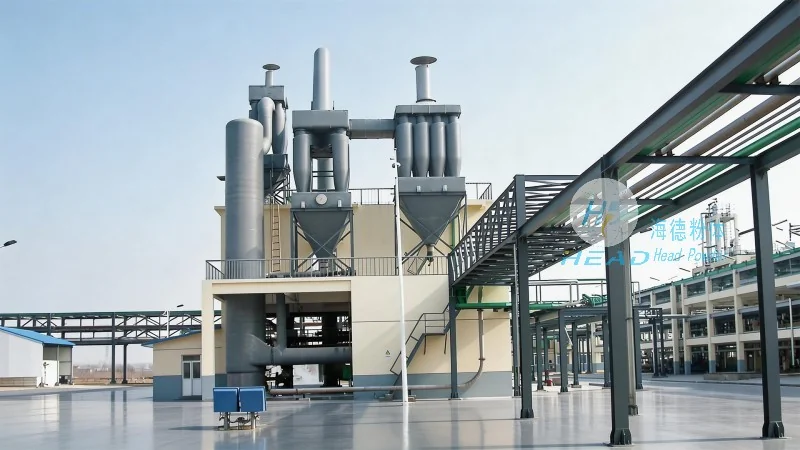
Thirdly, HeadPowder's pneumatic conveying systems are designed for high efficiency and low energy consumption. The use of compressed air is optimized to minimize energy usage while maintaining high material throughput. This results in cost savings for the end-user and a more sustainable operation. The system also features advanced control systems that allow for precise regulation of material flow, ensuring consistent delivery to downstream processes.
Conclusion
Calcium carbonate conveying is a critical aspect of industrial operations, and the choice of conveying method significantly impacts production efficiency and product quality. While traditional methods like gravity flow and mechanical conveyors have their place, they often fall short in meeting the demands of modern, high-volume applications. HeadPowder's pneumatic conveying technology provides a superior solution, offering dust-free operation, high flexibility, and efficient material transport. By leveraging advanced engineering and robust components, HeadPowder ensures that calcium carbonate is handled with precision and care, supporting the needs of industries that rely on this essential material. With its headquarters in Shandong, China, HeadPowder continues to innovate and provide reliable bulk material handling solutions for global markets.