

Principle of Pneumatic Conveying Equipment for Ferric Sulfate
HeadPowder, a leading manufacturer based in Shandong, China, specializes in the design and production of advanced pneumatic conveying equipment tailored for the efficient handling of ferric sulfate. This article delves into the fundamental principles underlying such systems, highlighting key components, operational mechanisms, and the technical advantages that make them indispensable in industrial applications.
Understanding Pneumatic Conveying Systems
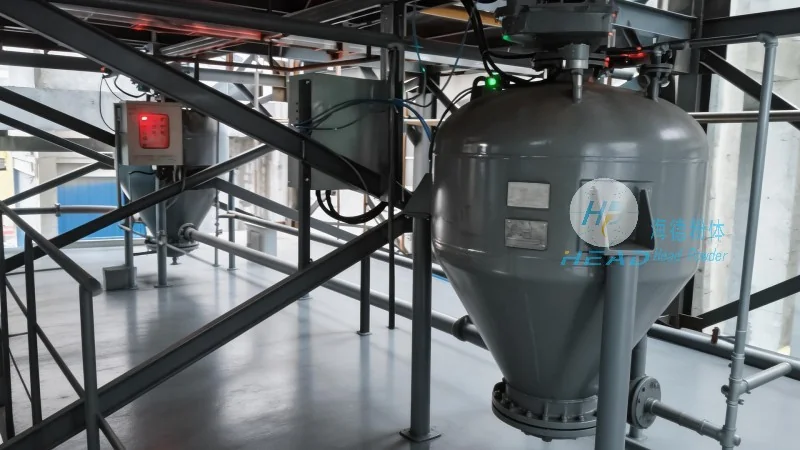
Pneumatic conveying, or air-based material transport, is a method that utilizes compressed air to move bulk materials like ferric sulfate through a pipeline. Unlike traditional mechanical conveyors, this system eliminates the need for moving parts in the conveying line, reducing maintenance requirements and enhancing safety. The core principle involves creating a pressure differential between the inlet and outlet of the system, which propels the material forward as it is entrained by the air flow.
Key Components of Ferric Sulfate Pneumatic Conveying Equipment
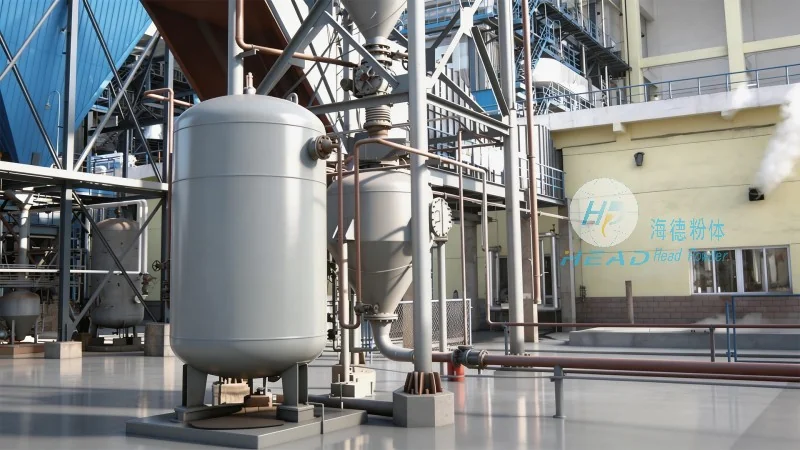
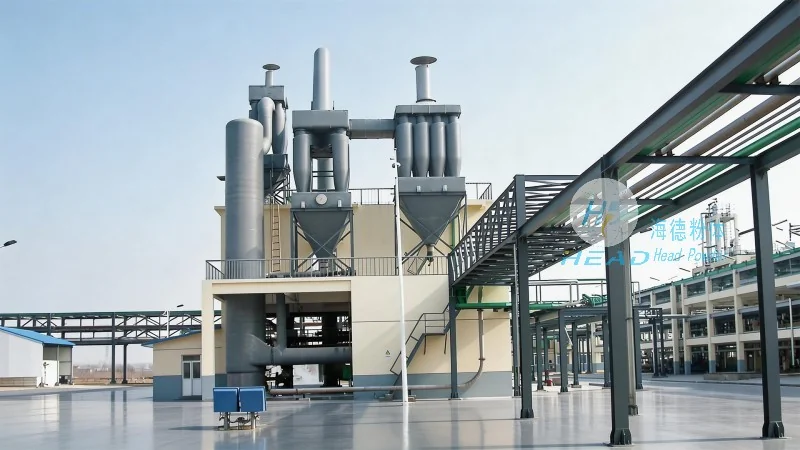
The effectiveness of a pneumatic conveying system for ferric sulfate hinges on several critical components. These include the air compressor, which generates the necessary pressure to move the material; the material feed hopper, designed to control the flow of ferric sulfate into the system; and the conveying pipeline, typically made from corrosion-resistant materials to withstand the chemical properties of ferric sulfate. Additionally, the system may incorporate a separator or cyclone to separate the material from the air stream at the discharge point, ensuring that the product is delivered in a dry, free-flowing state.
Operational Mechanisms and Flow Patterns
There are primarily two types of pneumatic conveying systems: dilute-phase and dense-phase. Dilute-phase systems operate at higher air velocities, allowing for longer conveying distances and higher material throughput, though they may require larger air volumes. Dense-phase systems, on the other hand, use lower air velocities and higher material concentrations, which is often preferred for handling friable or abrasive materials like ferric sulfate, as it minimizes product degradation and reduces wear on the equipment. The choice between these systems depends on the specific application requirements, including the distance to be covered and the desired material handling efficiency.
Advantages of Using Pneumatic Conveying for Ferric Sulfate
Implementing pneumatic conveying equipment for ferric sulfate offers several advantages over traditional methods. Firstly, it provides a dust-free and enclosed transport solution, which is crucial for maintaining product purity and compliance with environmental regulations. Secondly, the system reduces labor costs by automating the material handling process, as it eliminates the need for manual loading and unloading. Thirdly, the compact design of the equipment saves valuable floor space in industrial facilities, making it ideal for plants with limited room for large machinery. Finally, the ability to integrate the system with other processing equipment, such as reactors or storage tanks, enhances overall operational efficiency and streamlines production workflows.
Application Scenarios and Industrial Integration
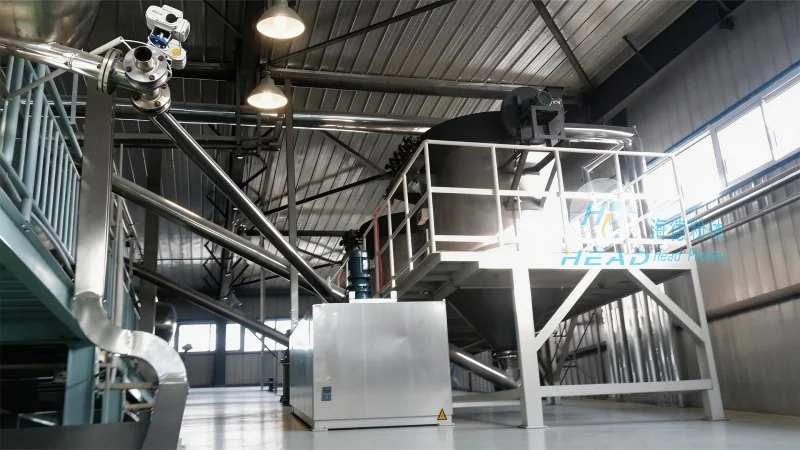
Ferric sulfate, commonly used in water treatment and as a coagulant in various industrial processes, requires reliable and efficient transport solutions to ensure consistent supply to downstream operations. Pneumatic conveying equipment from HeadPowder is widely adopted in these applications due to its ability to handle the material's characteristics, such as its granular or powder form, and its resistance to corrosion. The equipment can be seamlessly integrated into existing production lines, allowing for a smooth transition from manual to automated material handling. This integration not only improves the safety of the workplace by reducing exposure to dust and fumes but also enhances the overall productivity of the facility.
Maintenance and Longevity of the Equipment
Proper maintenance is essential to ensure the long-term performance and reliability of pneumatic conveying equipment for ferric sulfate. Regular checks on the air compressor, pipeline integrity, and separator efficiency are crucial to prevent system failures and minimize downtime. HeadPowder, as a manufacturer, emphasizes the importance of using high-quality, corrosion-resistant materials in the construction of their equipment, which contributes to a longer service life and lower maintenance costs over time. By adhering to recommended maintenance schedules and using genuine replacement parts, users can maximize the operational lifespan of their pneumatic conveying systems.
Conclusion
In conclusion, the principle of pneumatic conveying equipment for ferric sulfate, as exemplified by the solutions offered by Shandong HeadPowder Engineering Co., Ltd., represents a sophisticated and efficient approach to material handling. By leveraging the power of compressed air and advanced engineering, these systems provide a reliable, safe, and cost-effective method for transporting ferric sulfate in industrial settings. The integration of such equipment into production processes not only enhances operational efficiency but also aligns with modern industrial standards for safety and environmental compliance.