

Pneumatic Conveying in Capsule Bulk Material Handling
Efficient and reliable transport of capsule-based bulk materials is a critical requirement in the pharmaceutical and nutraceutical industries. The demand for precise, hygienic, and low-maintenance material handling solutions has driven the adoption of advanced technologies, with pneumatic conveying emerging as a preferred method for capsule bulk transport. This article explores the application of pneumatic conveying systems in the context of capsule material handling, highlighting the technical advantages, operational benefits, and practical implementation considerations.
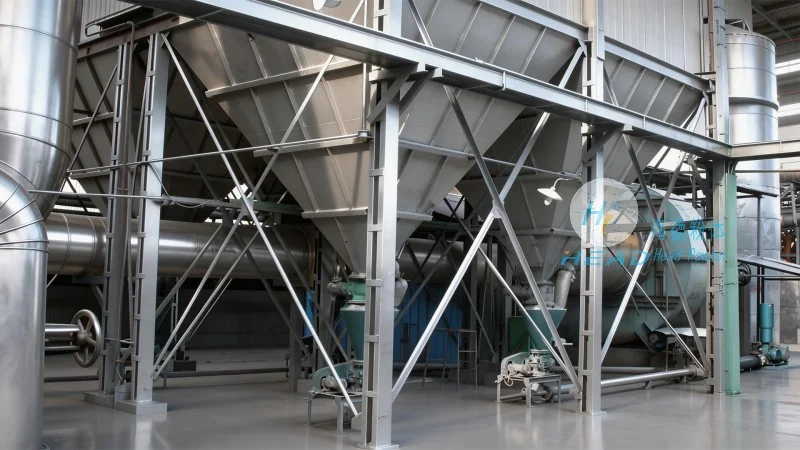
Introduction to Pneumatic Conveying for Capsule Transport
Pneumatic conveying, also known as air conveying, is a method of transporting bulk materials through a pipeline using air or gas as the conveying medium. In the case of capsule bulk material handling, this technology offers a non-contact, dust-free, and hygienic solution that aligns with the stringent quality standards of the pharmaceutical sector. Unlike traditional mechanical conveying systems, pneumatic conveyors eliminate the risk of material contamination and mechanical damage, making them ideal for sensitive products like capsules.
Key Advantages of Pneumatic Conveying in Capsule Handling
Several key advantages make pneumatic conveying an optimal choice for capsule bulk transport. Firstly, the system provides a high degree of material containment, preventing dust and particles from escaping into the environment. This is particularly important in pharmaceutical manufacturing where product purity and environmental control are paramount. Secondly, pneumatic conveyors offer flexibility in system design, allowing for vertical, horizontal, or combined (vertical-horizontal) transport configurations to suit diverse production layouts. This adaptability reduces installation complexity and operational costs. Thirdly, the technology enables gentle handling of capsules, minimizing product abrasion and breakage, which is crucial for maintaining product integrity and quality. Additionally, pneumatic conveying systems are generally low-maintenance, with fewer moving parts compared to mechanical systems, leading to lower operational downtime and maintenance expenses.
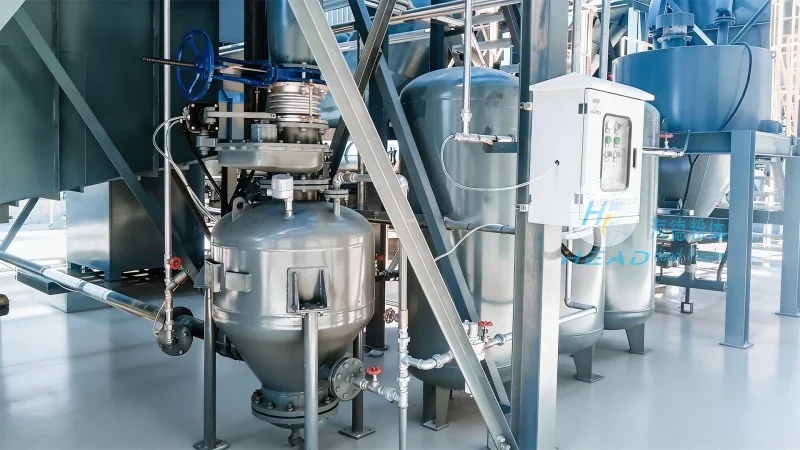
System Components and Operational Principles
A typical pneumatic conveying system for capsule bulk material handling consists of several key components, including a material feeder, a conveying line, a control system, and a dust collection or separation unit. The material feeder, often a rotary valve or a hopper with a metering device, ensures a consistent and controlled flow of capsules into the conveying line. The conveying line, typically made of stainless steel to meet hygiene standards, transports the capsules using compressed air or gas. The control system manages the pressure, flow rate, and direction of the conveying medium, ensuring smooth and efficient material transport. The dust collection or separation unit, such as a cyclone or filter, removes any residual particles from the air, maintaining a clean and safe working environment.
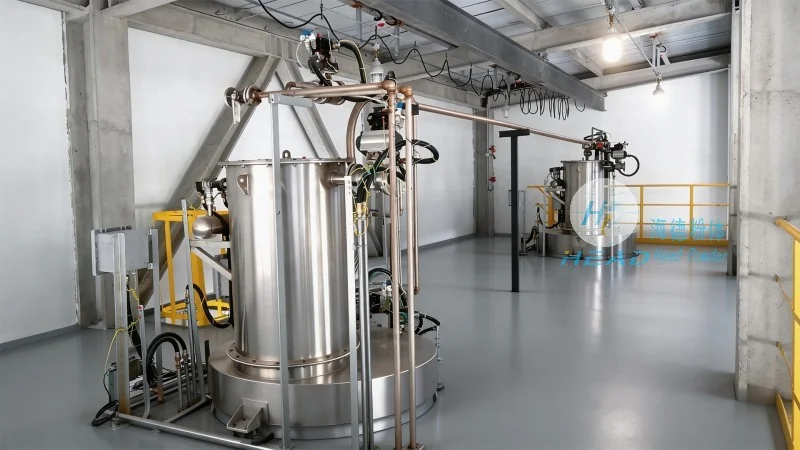
Application Scenarios and Customization
The versatility of pneumatic conveying systems allows for their application in various scenarios within capsule manufacturing and processing. For instance, in a pharmaceutical factory, capsules may need to be transported from a filling line to a packaging machine, or from a raw material storage area to the production line. Pneumatic conveyors can handle these tasks efficiently, with minimal human intervention. Customization is another significant aspect of pneumatic conveying systems. Companies like Shandong HeadPowder Engineering Co., Ltd., a leading provider in the field, offer tailored solutions that address specific customer requirements. These solutions may include adjustments to the conveying line length, pressure levels, or material handling capacity to meet the unique needs of each production facility.
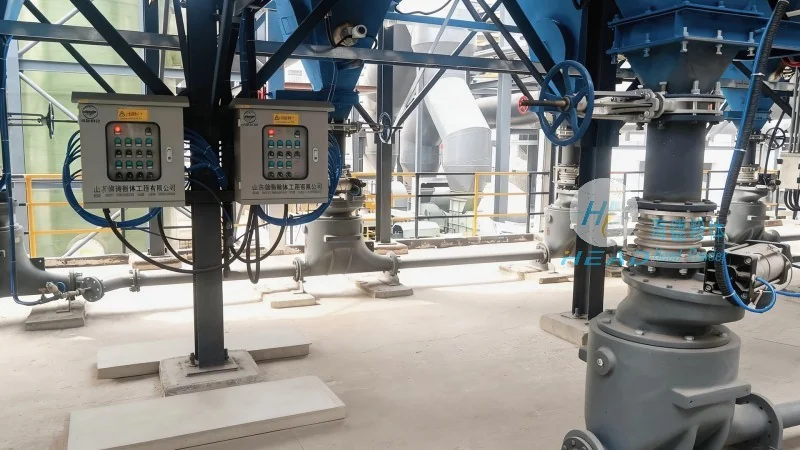
Operational Considerations and Best Practices
While pneumatic conveying offers numerous benefits, proper operational considerations are essential to maximize system efficiency and longevity. Regular maintenance of the conveying line, feeder, and control system is crucial to prevent blockages and ensure consistent performance. Additionally, monitoring the air pressure and flow rate is important to maintain optimal conveying conditions. Proper training of operators on system operation and troubleshooting is also recommended to minimize downtime and ensure safe operation. Best practices also include regular cleaning and sanitization of the system components to maintain hygiene standards, which is critical in the pharmaceutical industry.
Conclusion
In conclusion, pneumatic conveying is a highly effective and reliable technology for capsule bulk material handling. Its ability to provide hygienic, non-contact, and flexible transport solutions makes it an ideal choice for the pharmaceutical and nutraceutical industries. With the expertise of companies like Shandong HeadPowder Engineering Co., Ltd., businesses can implement customized pneumatic conveying systems that meet their specific operational needs, ensuring efficient and high-quality capsule transport. As the demand for advanced material handling solutions continues to grow, pneumatic conveying will remain a key technology in the industry, supporting the production of high-quality capsule-based products.