

Preventing Dust Leakage in Pneumatic Conveying Systems for Monocrystalline Silicon
For industries dealing with monocrystalline silicon, the efficiency and safety of material handling are paramount. Pneumatic conveying systems offer a solution for transporting such materials, but the risk of dust leakage is a critical concern. This article explores effective strategies and solutions provided by Shandong HeadPowder Engineering Co., Ltd. to mitigate dust leakage during the transport of monocrystalline silicon.
Understanding the Challenges of Monocrystalline Silicon Handling
Monocrystalline silicon, a key material in the semiconductor and solar energy sectors, requires precise handling to maintain its purity and structural integrity. Traditional conveying methods may lead to dust generation and leakage, which not only compromise product quality but also pose health and safety risks. Pneumatic conveying systems, while efficient, can exacerbate these issues if not properly designed and maintained.
Key Solutions for Dust Leakage Control
Shandong HeadPowder Engineering Co., Ltd. specializes in designing and implementing advanced pneumatic conveying systems tailored to the unique requirements of monocrystalline silicon. Their solutions focus on several critical areas to prevent dust leakage:
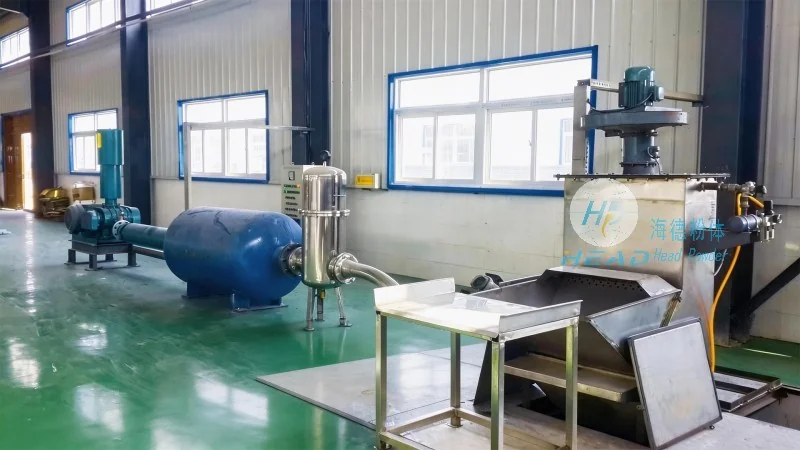
- Sealed Conveying Systems: Implementing fully enclosed pipelines and equipment to contain dust particles, ensuring no external leakage.
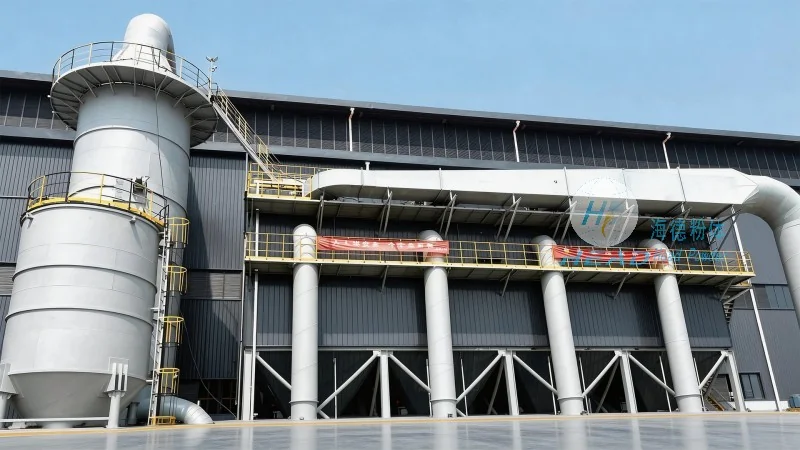
- Advanced Filtration and Capture: Utilizing high-efficiency filtration systems that capture fine dust particles before they escape the system, maintaining air quality and product purity.
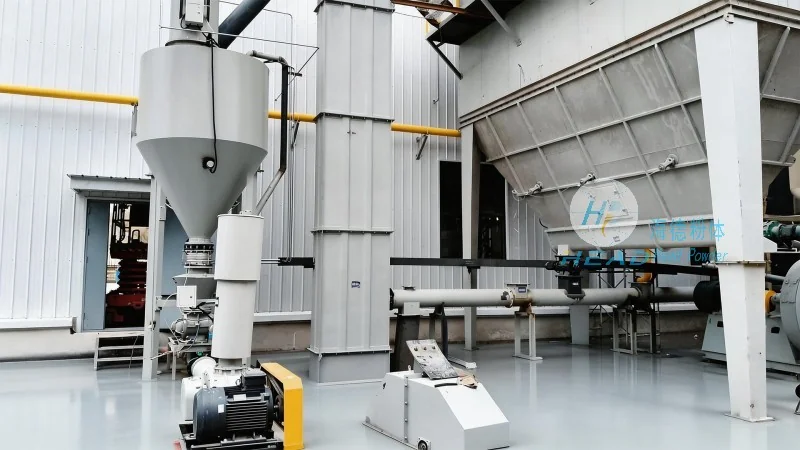
- Material Handling Equipment Design: Engineering components such as feeders, cyclones, and silos with tight sealing mechanisms to prevent air and dust from escaping at connection points.
- Controlled Airflow Management: Optimizing air pressure and flow rates to minimize turbulence and particle dispersion, reducing the likelihood of dust leakage.
Benefits of Implementing HeadPowder's Solutions
By adopting the solutions from Shandong HeadPowder Engineering Co., Ltd., companies can achieve significant improvements in operational efficiency and safety. The reduction in dust leakage not only protects the environment and employee health but also ensures the consistent quality of monocrystalline silicon products. Additionally, the sealed systems enhance the overall reliability of the conveying process, minimizing downtime and maintenance costs.
Conclusion
Preventing dust leakage in pneumatic conveying systems for monocrystalline silicon is a complex but essential task. With expertise and specialized solutions from Shandong HeadPowder Engineering Co., Ltd., industries can address this challenge effectively. Their commitment to engineering high-quality, dust-tight systems ensures that material handling processes remain efficient, safe, and compliant with industry standards.