

Efficient and Clean Solution for Arsenic Trioxide Transportation: A Detailed Explanation of Pneumati
When it comes to transporting arsenic trioxide (As₂O₃), efficiency and safety are paramount. Traditional methods often face challenges such as dust contamination, material degradation, and operational inefficiencies. Pneumatic conveying technology offers a modern, clean, and effective solution to address these issues. This article explores how pneumatic conveying systems enhance the transportation of arsenic trioxide, highlighting the benefits and technical aspects of this advanced approach.
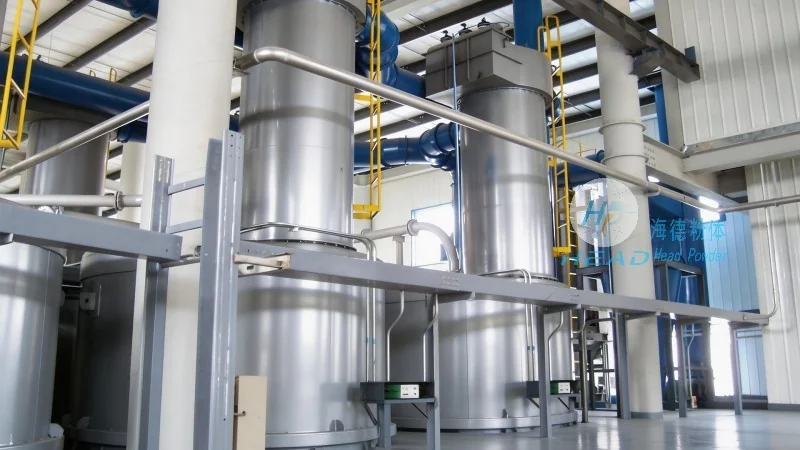
Understanding Arsenic Trioxide and Its Transportation Challenges
Arsenic trioxide is a highly toxic and reactive compound commonly used in industrial applications, including the production of pesticides, wood preservatives, and certain pharmaceuticals. Due to its hazardous nature, transporting this material requires specialized equipment and processes that minimize exposure risks and ensure compliance with safety regulations. Traditional bulk handling methods, like belt conveyors or manual handling, can lead to dust generation, which poses significant health hazards and environmental concerns. Moreover, these methods may not provide the necessary control over material flow, leading to inefficiencies and increased operational costs.
Pneumatic Conveying Technology: A Clean and Efficient Solution
HeadPowder, a leading provider of engineering solutions, specializes in the design and implementation of pneumatic conveying systems tailored for hazardous materials like arsenic trioxide. Our systems utilize air or gas to transport materials in a closed, controlled environment, eliminating the need for direct human contact and reducing the risk of dust exposure. This technology not only enhances safety but also improves the overall efficiency of material handling by enabling precise control over flow rates, pressure, and velocity.
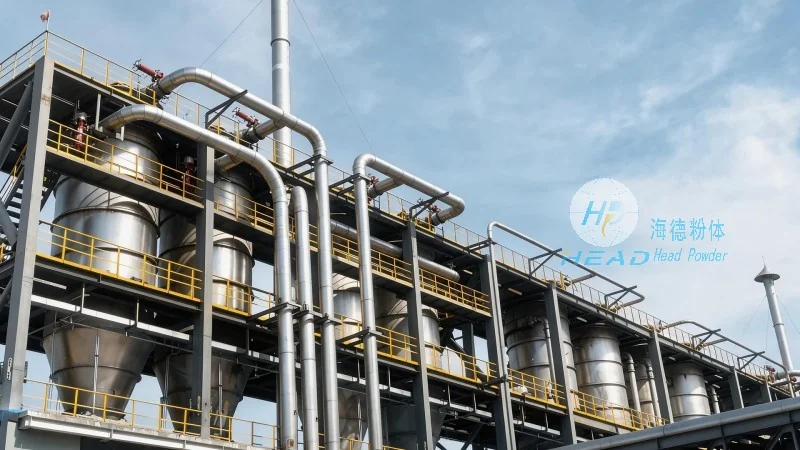
Key Benefits of Pneumatic Conveying for Arsenic Trioxide
Implementing pneumatic conveying for arsenic trioxide transportation offers several key advantages. First, it provides a dust-free environment, significantly reducing the risk of inhalation and contamination. This is crucial for maintaining workplace safety and complying with environmental regulations. Second, the closed system minimizes material loss and degradation, ensuring the integrity of the arsenic trioxide is preserved throughout the transportation process. Third, pneumatic conveying systems can handle varying material characteristics, including different particle sizes and moisture content, making them versatile for diverse industrial applications. Additionally, these systems offer energy efficiency compared to traditional methods, reducing operational costs over time.
Technical Aspects of Pneumatic Conveying Systems
The effectiveness of pneumatic conveying systems for arsenic trioxide depends on several technical factors. The choice of conveying method—whether it's dilute phase or dense phase—depends on the material's properties and the distance to be covered. Dilute phase systems use lower air velocities and are suitable for shorter distances and smaller quantities, while dense phase systems employ higher air velocities and are ideal for longer distances and larger volumes. The system design also includes components such as feeders, pipelines, and receivers, all of which are engineered to handle the specific characteristics of arsenic trioxide. For instance, materials like arsenic trioxide may require specialized feeders to ensure consistent material flow and prevent blockages. The receiver, where the material is deposited, is designed to minimize dust emissions and facilitate easy material discharge.
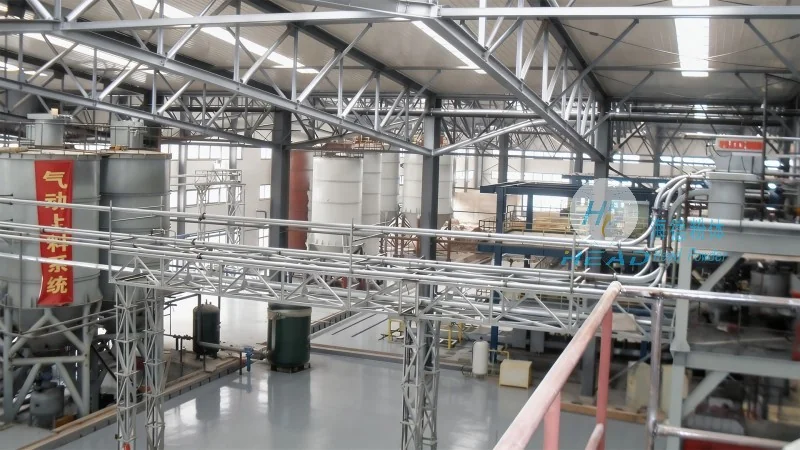
Case Studies and Real-World Applications
HeadPowder has successfully implemented pneumatic conveying systems for arsenic trioxide transportation in various industrial settings. One notable case involved a chemical manufacturing plant in Shandong, China, where our system replaced an outdated manual handling process. The new system reduced dust exposure by 90% and increased material throughput by 30% compared to the previous method. Another application was in a pharmaceutical facility, where the system was integrated into a production line to transport arsenic trioxide for drug synthesis. The closed system ensured product purity and compliance with GMP (Good Manufacturing Practice) standards, which are critical in pharmaceutical manufacturing.
Conclusion: The Future of Arsenic Trioxide Transportation
Pneumatic conveying technology represents a significant advancement in the safe and efficient transportation of arsenic trioxide. By leveraging the principles of air-based material transport, these systems offer a clean, controlled, and cost-effective solution that addresses the challenges of traditional methods. As industries continue to prioritize safety and operational efficiency, pneumatic conveying systems will play an increasingly important role in handling hazardous materials like arsenic trioxide. With its commitment to innovation and safety, Shandong HeadPowder Engineering Co., Ltd. remains at the forefront of providing advanced engineering solutions for the transportation of arsenic trioxide and other hazardous materials.