

[Efficient and Clean Solution for Cement and Fly Ash Transportation: A Detailed Explanation of Pneum
For industries dealing with bulk materials like cement and fly ash, the efficiency and cleanliness of material handling systems are critical. Traditional methods such as belt conveyors or bucket elevators often face challenges related to material degradation, contamination, and operational complexity. Pneumatic conveying technology offers a modern, effective solution that addresses these issues while enhancing overall productivity. This article explores the benefits and technical aspects of pneumatic conveying systems specifically designed for cement and fly ash transportation, highlighting how they can revolutionize material handling processes.
About HeadPowder: Your Expert in Material Handling Solutions
HeadPowder, or Shandong HeadPowder Engineering Co., Ltd., is a leading provider of advanced material handling technologies. With operations based in Shandong, China, the company specializes in designing, manufacturing, and implementing customized pneumatic conveying systems tailored to the unique needs of the cement and industrial sectors. HeadPowder's commitment to innovation and quality ensures that clients receive reliable, efficient solutions that meet the highest standards of performance and durability.
Key Advantages of Pneumatic Conveying for Cement and Fly Ash
Pneumatic conveying systems offer several distinct advantages over conventional material handling methods. One of the primary benefits is the ability to transport materials in a closed system, which minimizes dust emissions and prevents contamination from external sources. This is particularly important for cement and fly ash, which are sensitive to moisture and air exposure. The closed environment also enhances safety by reducing the risk of dust explosions and improving workplace hygiene. Additionally, pneumatic conveying systems can handle a wide range of material characteristics, including varying particle sizes and moisture content, making them versatile for different applications.
Another significant advantage is the improved efficiency in material transportation. Unlike traditional methods that may require multiple transfer points and equipment, pneumatic conveying allows for continuous, unbroken material flow. This reduces downtime and increases throughput, leading to higher productivity and cost savings. The technology also enables precise control over material flow rates, which is essential for maintaining consistent quality in downstream processes. For cement and fly ash, this means better control over the final product characteristics, such as strength and consistency.
How Pneumatic Conveying Systems Work
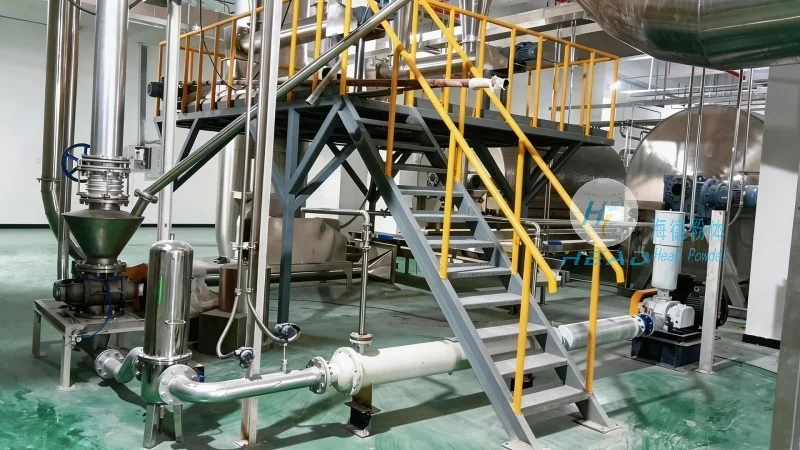
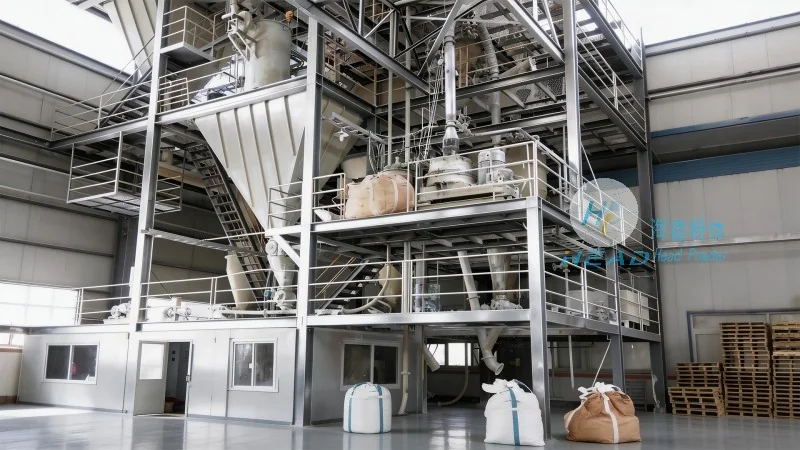
Pneumatic conveying systems operate by using air or gas to transport bulk materials through a network of pipes. There are two main types of pneumatic conveying: pressure and vacuum systems. Pressure systems use compressed air to push material through the pipeline, while vacuum systems use a vacuum to pull material from the source. For cement and fly ash, pressure systems are often preferred due to their ability to handle higher material loads and longer distances without significant pressure loss.
The process typically begins with the material being fed into a hopper or silo. From there, it is drawn into the conveying line by the air flow. The material is then carried through the pipeline to the destination point, such as a storage silo or processing unit. The system includes components like feeders, cyclones, and filters to ensure smooth operation and prevent material buildup or blockages. Advanced control systems are often integrated to monitor and adjust the conveying parameters in real-time, optimizing performance and reducing maintenance needs.
Customization and Application in Cement and Fly Ash Handling
HeadPowder understands that each cement and fly ash handling operation has unique requirements. Therefore, the company offers customized pneumatic conveying solutions that are tailored to specific site conditions, material characteristics, and production goals. Whether the application involves short-distance transport within a plant or long-distance transfer between facilities, HeadPowder's engineers can design a system that meets the exact needs of the client. The company considers factors such as material flow rates, pipeline length, elevation changes, and environmental regulations when designing the system, ensuring optimal performance and compliance.
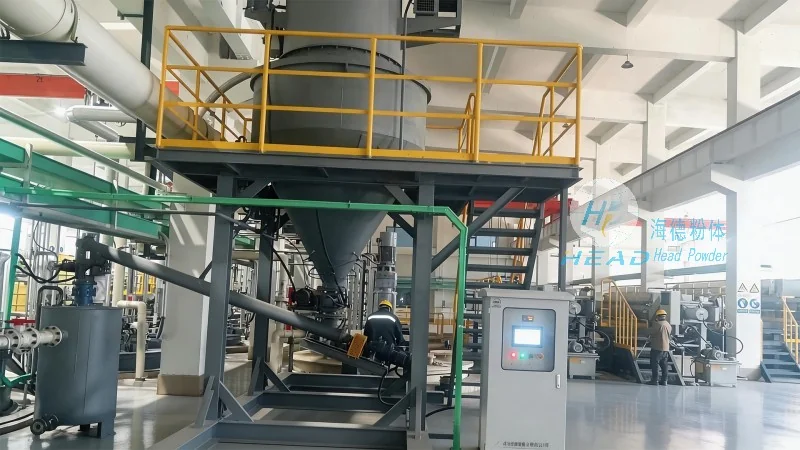
For example, in a cement production facility, a pneumatic conveying system might be used to transport raw materials from storage silos to the grinding mills. In a fly ash handling operation, the system could be used to move fly ash from the boiler to the storage or utilization areas. In both cases, the system enhances efficiency by eliminating the need for manual handling and reducing the risk of material loss or contamination. The closed system also helps in maintaining the quality of the materials, which is crucial for the final product's performance.
Benefits for the Cement and Industrial Sectors
The adoption of pneumatic conveying technology brings numerous benefits to the cement and industrial sectors. For cement manufacturers, the improved efficiency and cleanliness of the system lead to higher production rates and better product quality. The reduced downtime and maintenance requirements also contribute to lower operational costs. For fly ash handling operations, the system helps in managing the byproduct more effectively, which is increasingly important as environmental regulations become stricter. The ability to handle fly ash in a controlled manner also supports sustainable practices, aligning with the industry's commitment to environmental responsibility.
Furthermore, pneumatic conveying systems are designed for durability and long-term performance. The materials used in the construction of the system, such as stainless steel and high-quality plastics, are resistant to corrosion and wear, ensuring that the system can operate reliably for many years. HeadPowder's systems are also equipped with advanced monitoring and diagnostic tools, allowing for proactive maintenance and minimizing unexpected breakdowns. This reduces the overall cost of ownership and enhances the return on investment for the client.