

Principle and Classification Application of Pneumatic Conveying for Masterbatch
Masterbatch, a critical component in the plastic industry, is often transported using pneumatic conveying systems. This method provides efficient and reliable material handling solutions, especially for color masterbatch and other high-value additives. The following content will explore the working principles of pneumatic conveying for masterbatch and its various application classifications, offering a comprehensive overview for industry professionals.
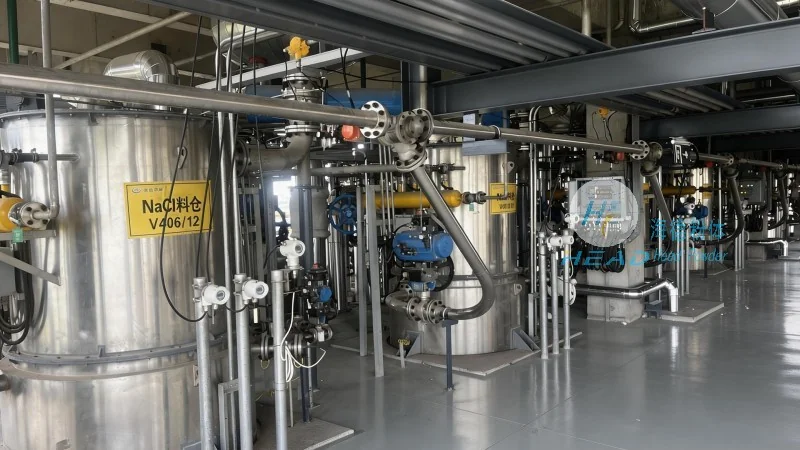
Working Principle of Pneumatic Conveying for Masterbatch
Pneumatic conveying, also known as air conveying, utilizes compressed air or gas to transport bulk materials like masterbatch through a pipeline system. The process typically includes a hopper for material storage, a feeder to control flow rate, a conveying line, and a receiver for material discharge. The core mechanism relies on creating a pressure differential between the conveying line and the ambient environment. By injecting high-pressure air into the conveying line, the material is entrained and carried along the pipeline. Air velocity and pressure are carefully controlled to ensure stable and efficient transport, minimizing material degradation and system wear. The working principle can be broadly categorized into two main types: pressure and vacuum systems. Pressure systems use positive pressure to push material through the line, while vacuum systems use negative pressure to pull material from the source. Both systems are designed to handle different material characteristics and operational requirements, ensuring optimal performance in various industrial settings.
Classification of Pneumatic Conveying Systems for Masterbatch
Pneumatic conveying systems for masterbatch are classified based on factors such as conveying method, material properties, and operational conditions. The primary classifications include:
1. Dilute Phase Conveying - This system operates at high air velocities, typically above 20 m/s, and low material concentration. The material is suspended in the air stream, allowing for long-distance transport with minimal pressure drop. Dilute phase systems are suitable for fine powders and masterbatch with low bulk density, ensuring efficient and low-cost transport. However, they may require larger air volumes and higher energy consumption compared to other systems.
2. Dense Phase Conveying - Also known as low velocity conveying, this system operates at lower air velocities, usually between 5-15 m/s, and higher material concentration. The material is conveyed in a slurry-like state, with the air acting as a carrier medium. Dense phase systems are ideal for transporting sensitive materials, such as color masterbatch, as they reduce material impact and friction, minimizing degradation. This method is particularly useful for short to medium distance transport and when material stability is a priority.
3. Hybrid Conveying Systems - Combining features of both dilute and dense phase systems, hybrid systems offer flexibility in handling different material types and operational demands. They can switch between high and low air velocities as needed, optimizing energy usage and material transport efficiency. Hybrid systems are commonly used in complex industrial processes where varying material characteristics and transport distances are encountered.
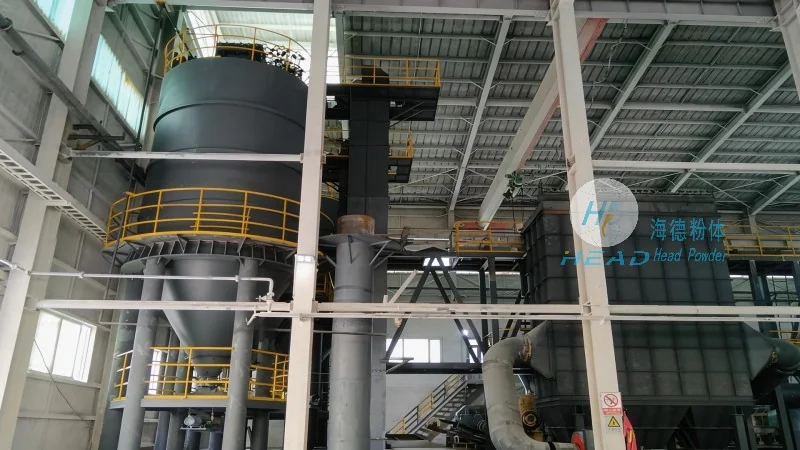
4. Vacuum Conveying Systems - Utilizing negative pressure to draw material from the source, vacuum systems are suitable for applications requiring material transfer from elevated or difficult-to-reach locations. They are commonly used in batch processing and small-scale operations, where precise control over material flow is essential. Vacuum systems are particularly effective for handling fine powders and masterbatch that may be prone to dusting or segregation.
Application Scenarios of Pneumatic Conveying for Masterbatch
The application of pneumatic conveying systems for masterbatch varies across different industries and production processes. Key application scenarios include:
1. Plastic Manufacturing Plants - In plastic extrusion and injection molding facilities, pneumatic conveying is widely used to transport color masterbatch from storage silos to processing equipment. The systems ensure a consistent and controlled supply of masterbatch, maintaining product color uniformity and reducing material waste. The high efficiency of pneumatic conveying allows for continuous production, supporting the demands of modern manufacturing.
2. Chemical and Additive Production - For the production of masterbatch, pneumatic conveying is used to transport raw materials and finished products between processing units. This includes the transfer of pigments, additives, and other components to mixing and extrusion equipment. The systems help maintain product quality by preventing contamination and ensuring precise material ratios, which is critical in the production of high-performance masterbatch.
3. Food and Pharmaceutical Industries - Although less common due to strict regulatory requirements, pneumatic conveying systems are used in the handling of masterbatch used in food packaging and pharmaceutical applications. These systems are designed to meet sanitary standards, with features such as stainless steel construction and easy cleaning. The conveying process ensures that the masterbatch is handled hygienically, maintaining product safety and compliance with industry regulations.
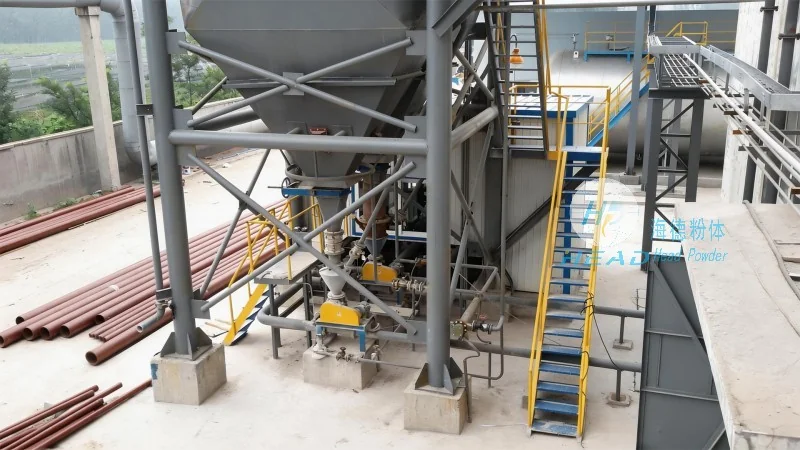
4. Recycling and Waste Management - In recycling facilities, pneumatic conveying is employed to transport recovered plastic materials, including masterbatch, from sorting lines to processing equipment. The systems help streamline the recycling process, improving material recovery rates and reducing labor costs. The efficient transport of masterbatch ensures that recycled materials are effectively utilized in new production cycles.
Advantages and Considerations for Pneumatic Conveying of Masterbatch
Pneumatic conveying systems offer several advantages when used for masterbatch transport, making them a preferred choice in many industrial applications. Key advantages include:
1. High Efficiency and Speed - Pneumatic conveying allows for rapid material transport, reducing production cycle times and increasing overall throughput. The systems can handle large volumes of masterbatch, supporting high-speed manufacturing processes.
2. Minimal Material Degradation - Unlike mechanical conveying methods, pneumatic systems minimize material impact and friction, preserving the quality of masterbatch, especially color masterbatch. This is crucial for maintaining product color consistency and performance.
3. Reduced Labor and Space Requirements - Automated pneumatic conveying systems require less manual labor for material handling, improving operational efficiency. The compact design of the systems also saves valuable factory space, making them suitable for facilities with limited floor area.
4. Versatility and Flexibility - Pneumatic conveying systems can be easily integrated into existing production lines and adapted to handle different material types and transport requirements. This flexibility allows for scalability and adaptability in changing production needs.
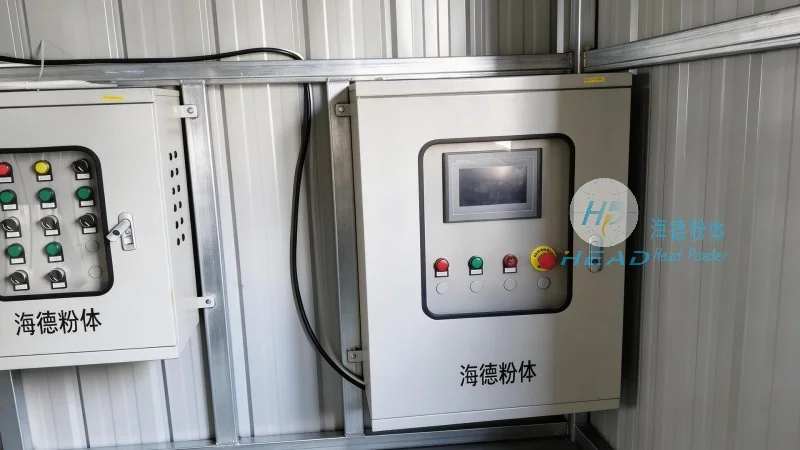
However, there are also considerations to keep in mind when implementing pneumatic conveying for masterbatch. These include:
1. Energy Consumption - Pneumatic systems can be energy-intensive, especially for long-distance or high-volume transport. Proper system design and maintenance are essential to optimize energy usage and reduce operational costs.
2. System Maintenance - Regular maintenance of the conveying components, such as air filters, valves, and pipelines, is necessary to ensure system reliability and prevent downtime. Proper maintenance schedules and skilled personnel are required to keep the system running smoothly.
3. Material Compatibility - The choice of conveying system depends on the material properties of the masterbatch, including particle size, density, and moisture content. Incompatible systems may lead to material degradation or system blockages, affecting performance.
4. Environmental Impact - Pneumatic conveying can generate dust and require proper ventilation and filtration systems to comply with environmental regulations. Implementing dust control measures is essential to maintain a safe and healthy working environment.