

Classification and Composition of Silica Fume Pneumatic Conveying Systems
Silica fume, a byproduct of silicon and steel production, is a high-purity pozzolanic material widely used in concrete to enhance strength and durability. Efficient handling and transportation of silica fume are critical for industrial applications, and pneumatic conveying systems have emerged as a reliable solution. HeadPowder, a leading provider of industrial material handling solutions, specializes in designing and manufacturing advanced pneumatic conveying systems tailored to the unique needs of silica fume transport. With years of experience in the field, HeadPowder has developed cutting-edge technologies to ensure efficient, safe, and cost-effective operation of silica fume pneumatic conveying systems.
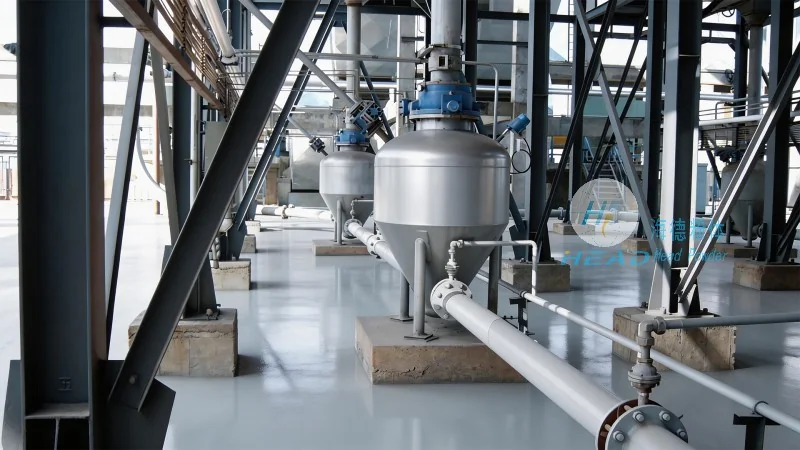
Classification of Pneumatic Conveying Systems for Silica Fume
Pneumatic conveying systems for silica fume can be broadly classified based on the pressure and flow characteristics. The primary categories include:
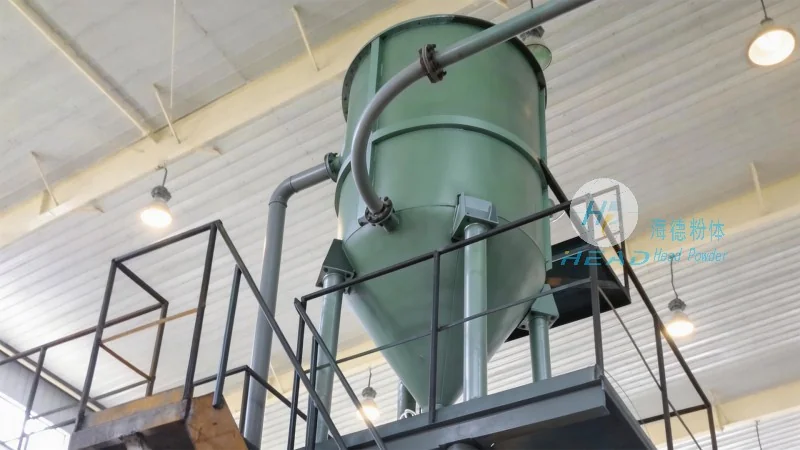
- Positive Pressure Systems: These systems use a blower or compressor to generate positive pressure, pushing the material through the pipeline. They are suitable for long-distance and high-volume transport, ensuring consistent flow rates and minimal material degradation.
- Negative Pressure (Vacuum) Systems: In these systems, a vacuum is created to draw the material into the pipeline. They are ideal for applications requiring gentle handling, such as transporting fine powders that are prone to caking or agglomeration.
- Combination Systems: A hybrid approach that combines elements of both positive and negative pressure, offering flexibility in handling different material types and operational conditions. This type is often used in complex industrial setups where varying transport requirements exist.
Key Components of Silica Fume Pneumatic Conveying Systems
The effective operation of a silica fume pneumatic conveying system relies on several critical components, each designed to optimize material transport and system efficiency. The main components include:
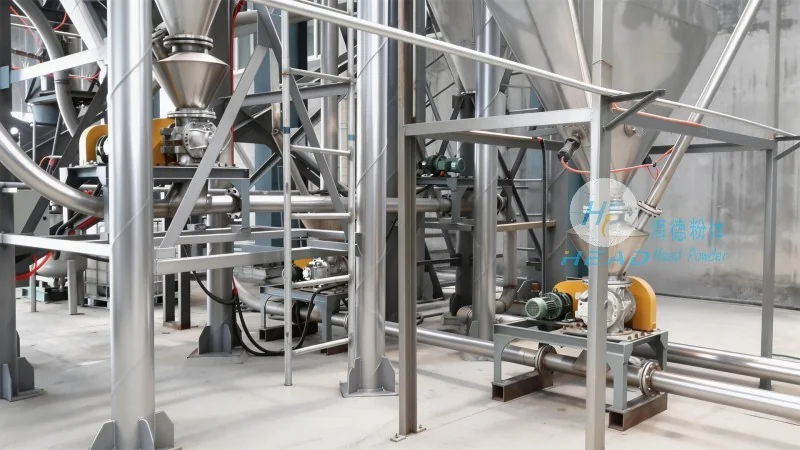
- Feeding Hopper: The feeding hopper is the initial component where silica fume is stored and prepared for transport. It typically features a discharge valve and a level indicator to monitor material levels. The design of the hopper is crucial to prevent material bridging or clogging, ensuring smooth material flow into the conveying line.
- Pneumatic Conveying Pipe: The pipeline serves as the primary conduit for transporting silica fume. The material is suspended in a carrier gas (usually air) and moved through the pipe. The pipe diameter, length, and material (e.g., stainless steel or plastic) are selected based on the system's capacity and the characteristics of the silica fume being transported. Proper pipe design minimizes pressure drop and ensures consistent flow.
- Blower or Vacuum Pump: The power source for the system, providing the necessary pressure or vacuum to move the material. Positive pressure systems use high-pressure blowers, while negative pressure systems employ vacuum pumps. The selection of the blower or pump depends on the system's capacity, the material's properties, and the required transport distance. Efficient power units ensure minimal energy consumption and reliable operation.
- Separation and Collection Unit: At the receiving end, the separation unit separates the silica fume from the carrier gas. This is typically achieved through a cyclone separator or a bag filter, which captures the fine powder and returns it to the storage or processing area. The design of the separation unit is critical to prevent dust emissions and maintain environmental compliance.
- Control System: Modern pneumatic conveying systems are equipped with advanced control systems that monitor and regulate the operation. These systems include sensors for pressure, flow rate, and material level, as well as automated controls for the feeding hopper and power units. The control system ensures optimal performance, reduces downtime, and enhances safety by preventing overpressure or vacuum conditions.
Applications and Benefits of Silica Fume Pneumatic Conveying
Silica fume pneumatic conveying systems are widely used in various industries, including construction, steel production, and chemical manufacturing. The primary benefits of these systems include:
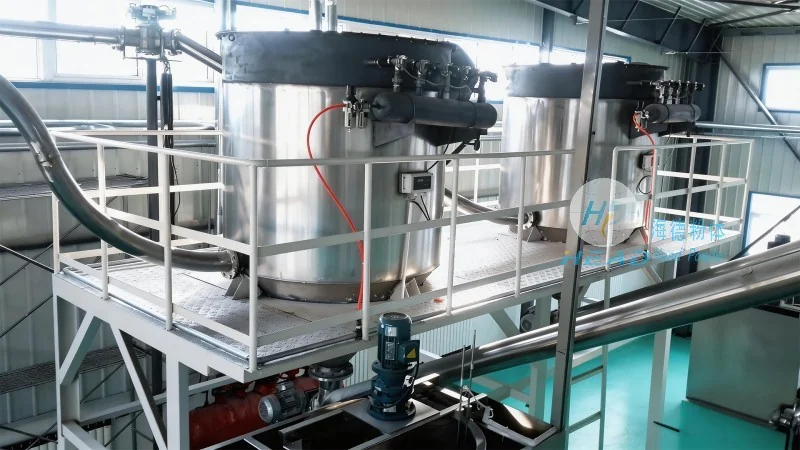
- Efficient Material Handling: Pneumatic conveying allows for the transport of silica fume over long distances without the need for intermediate storage or manual handling, reducing labor costs and improving operational efficiency.
- Reduced Downtime: Automated systems with advanced control features minimize downtime by detecting and addressing issues such as clogging or pressure drops in real-time.
- Environmental Compliance: Proper separation and collection units ensure that dust emissions are minimized, meeting environmental regulations and maintaining a safe working environment.
- Enhanced Product Quality: Gentle handling during transport preserves the quality of silica fume, ensuring consistent performance in concrete applications and other end products.
Conclusion
Silica fume pneumatic conveying systems represent a sophisticated and efficient solution for handling and transporting high-purity pozzolanic materials. By understanding the classification and key components of these systems, industries can optimize their operations, reduce costs, and enhance product quality. As technology continues to advance, the design and implementation of pneumatic conveying systems will further improve, meeting the evolving demands of modern industrial applications.