

Ferrous Sulfate Pneumatic Conveying Systems: A Comprehensive Guide
For industrial applications requiring efficient and reliable transport of ferrous sulfate, pneumatic conveying systems offer a robust solution. This guide delves into the key aspects of such systems, highlighting their design, functionality, and the benefits they provide to industries that rely on consistent material handling.
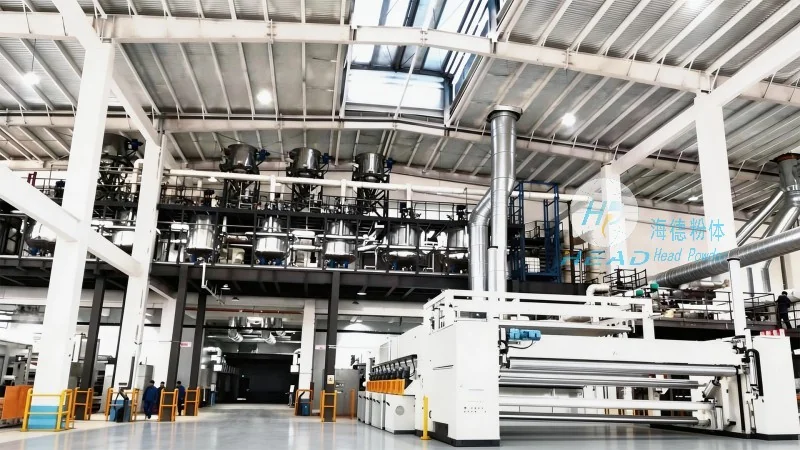
Understanding Ferrous Sulfate Pneumatic Conveying
Ferrous sulfate, commonly used in water treatment, agriculture, and chemical manufacturing, is a fine powder that demands careful handling to prevent caking and ensure uniform distribution. Pneumatic conveying systems utilize air or other gases to transport this material from one location to another, eliminating the need for mechanical components like belts or buckets that might cause contamination or degradation.
The Role of HeadPowder in Pneumatic Conveying Solutions
Shandong HeadPowder Engineering Co., Ltd., a leading provider of engineering solutions, specializes in designing and implementing pneumatic conveying systems tailored to the specific needs of ferrous sulfate applications. With a focus on durability, efficiency, and safety, their systems are engineered to handle the unique challenges posed by this material, including its hygroscopic nature and potential for dust generation.
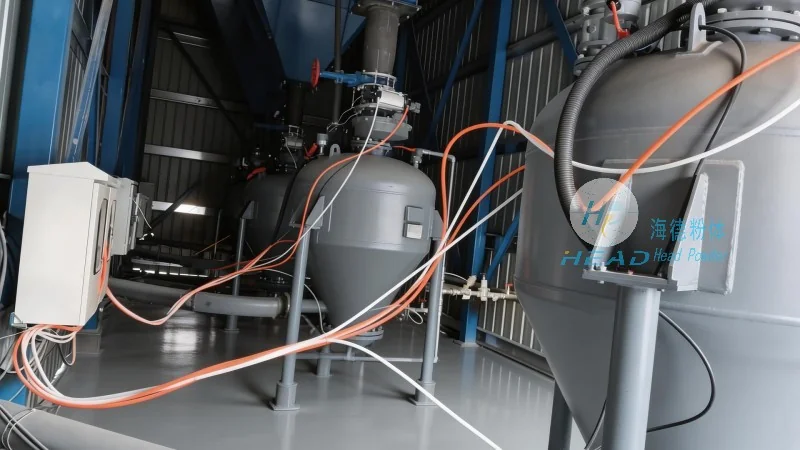
Key Components of a Ferrous Sulfate Pneumatic Conveying System
A typical pneumatic conveying system for ferrous sulfate includes several critical components. The system starts with a hopper or feeder that stores the material, ensuring a consistent flow into the conveying line. A blower or compressor provides the necessary air pressure to move the material through the pipeline. The pipeline itself is often made of materials resistant to corrosion, such as stainless steel or specialized plastics, to prevent interaction with the acidic properties of ferrous sulfate.
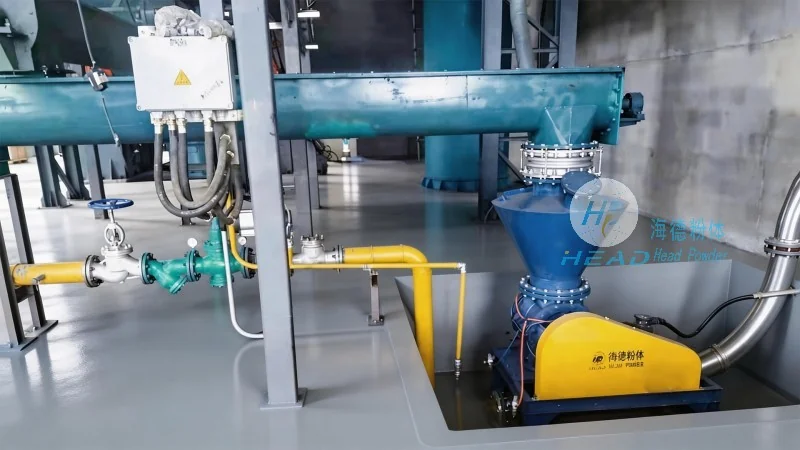
Advantages of Pneumatic Conveying for Ferrous Sulfate
Implementing a pneumatic conveying system for ferrous sulfate offers numerous advantages over traditional methods. These include reduced labor costs due to automated material handling, minimized product contamination as the material remains in a closed system, and improved safety by eliminating the need for manual handling of powders. Additionally, the systems can be designed to handle varying flow rates, making them adaptable to different production scales.
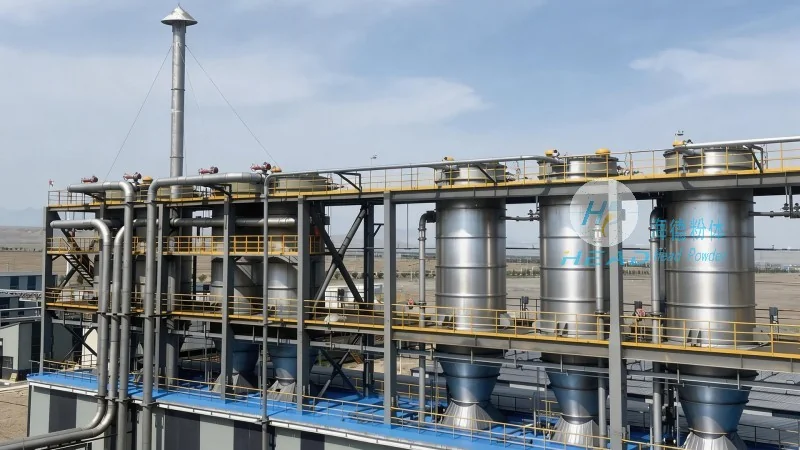
Customization and Maintenance Considerations
HeadPowder understands that each industrial facility has unique requirements. Their engineering team works closely with clients to customize pneumatic conveying systems that meet specific operational parameters, such as throughput capacity and distance of transport. Regular maintenance is crucial to ensure the longevity and performance of these systems. This includes checking blower performance, inspecting pipeline integrity, and cleaning components to prevent blockages or degradation.
Conclusion
For industries dealing with ferrous sulfate, pneumatic conveying systems represent a reliable and efficient solution for material transport. By leveraging the expertise of companies like Shandong HeadPowder Engineering Co., Ltd., businesses can enhance their operational efficiency, maintain product quality, and ensure compliance with safety standards. The investment in a well-designed pneumatic conveying system not only improves current processes but also supports long-term growth and sustainability in material handling.