

Several Solutions for the Pneumatic Conveying of Flake Caustic Soda
Flake caustic soda, also known as sodium hydroxide in flake form, is a widely used chemical in various industrial processes. Efficient and reliable material handling is crucial for maintaining production efficiency and safety. This article explores several effective solutions for the pneumatic conveying of flake caustic soda, focusing on the technical aspects, operational considerations, and practical applications in industrial settings.
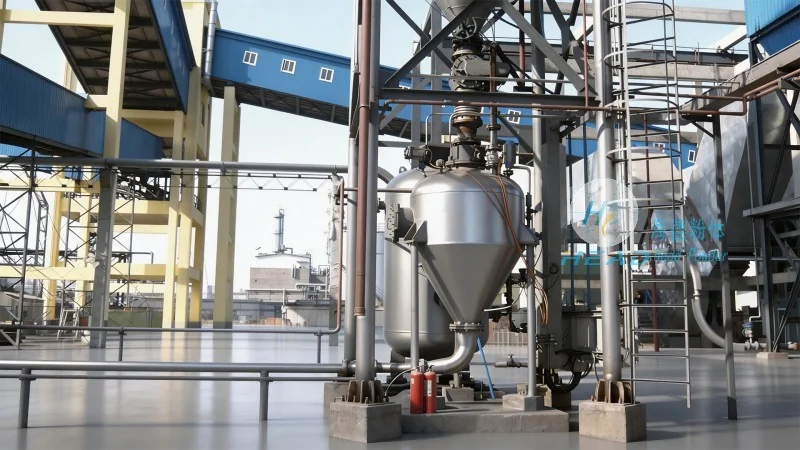
Introduction to Pneumatic Conveying of Flake Caustic Soda
Before delving into specific solutions, it is essential to understand the fundamentals of pneumatic conveying. Pneumatic conveying systems use air or other gases to transport bulk materials like flake caustic soda from one location to another. This method offers advantages such as reduced labor costs, improved safety by minimizing direct handling, and the ability to transport materials over long distances without the need for complex mechanical equipment.
Key Considerations for Pneumatic Conveying Systems
When designing a pneumatic conveying system for flake caustic soda, several factors must be carefully evaluated to ensure optimal performance and longevity. These include the material's physical properties, such as particle size, density, and moisture content, as well as the system's operating pressure and flow rates. Additionally, the choice of conveying method—whether dense phase or dilute phase—plays a critical role in determining the system's efficiency and energy consumption.
Solution 1: Dense Phase Pneumatic Conveying
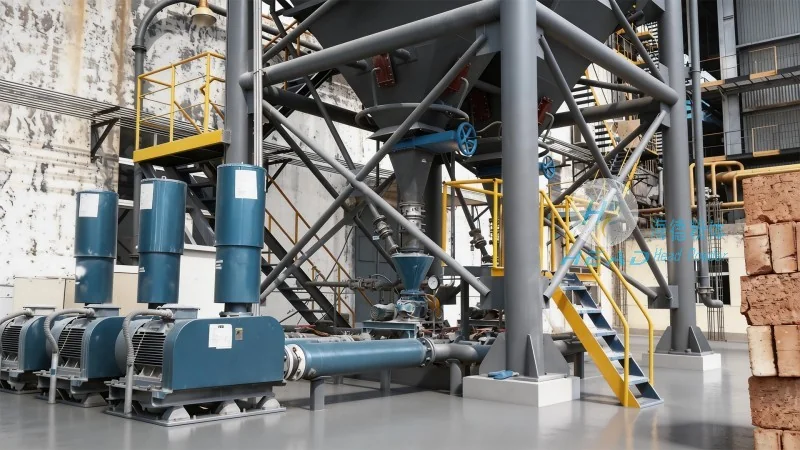
Dense phase pneumatic conveying is a method where the material is conveyed in a dense, low-velocity stream. This approach is particularly suitable for flake caustic soda due to its relatively high density and the need to minimize product degradation. In this system, the material is introduced into a pressure vessel, where it is mixed with air under controlled pressure. The mixture is then transported through a pipeline to the destination, ensuring a gentle and consistent flow that reduces the risk of product breakage or agglomeration.
For flake caustic soda applications, dense phase conveying offers several benefits. It provides a more stable and controlled flow, which is ideal for sensitive materials that require minimal mechanical stress. Additionally, this method can handle longer conveying distances and higher material loads compared to dilute phase systems. The system typically includes components such as a positive displacement blower, a pressure vessel, and a receiver, all designed to maintain the material's integrity throughout the process.
Solution 2: Dilute Phase Pneumatic Conveying
Dilute phase pneumatic conveying, on the other hand, involves transporting the material in a low-density, high-velocity stream. This method is often used for shorter distances or when the material is less sensitive to mechanical stress. In dilute phase systems, the material is suspended in air and transported through a pipeline at high velocity. While this approach is generally less expensive and simpler to install, it may not be suitable for flake caustic soda due to the risk of product degradation or increased energy consumption.
For flake caustic soda, dilute phase conveying may be appropriate for short-distance transfers or when the material is in a less critical state. However, it is important to note that this method requires careful control of air velocity and pressure to prevent material degradation and ensure efficient transport. The system typically includes a fan or blower, a hopper, and a pipeline, with the material being introduced into the air stream at the hopper.
Solution 3: Hybrid Pneumatic Conveying Systems
Hybrid pneumatic conveying systems combine elements of both dense and dilute phase methods to achieve optimal performance. These systems are designed to handle a wide range of material characteristics and conveying distances. For flake caustic soda, a hybrid system may use a dense phase approach for the initial portion of the conveying distance and then transition to a dilute phase for the remainder. This approach allows for efficient material transport while minimizing energy consumption and product degradation.
Hybrid systems often incorporate advanced control technologies, such as variable frequency drives (VFDs), to adjust the air flow and pressure based on real-time conditions. This ensures that the system operates at peak efficiency and maintains the material's quality throughout the process. Additionally, these systems may include features like in-line mixers or agitators to prevent material settling or agglomeration, further enhancing their performance.
Operational Considerations and Maintenance
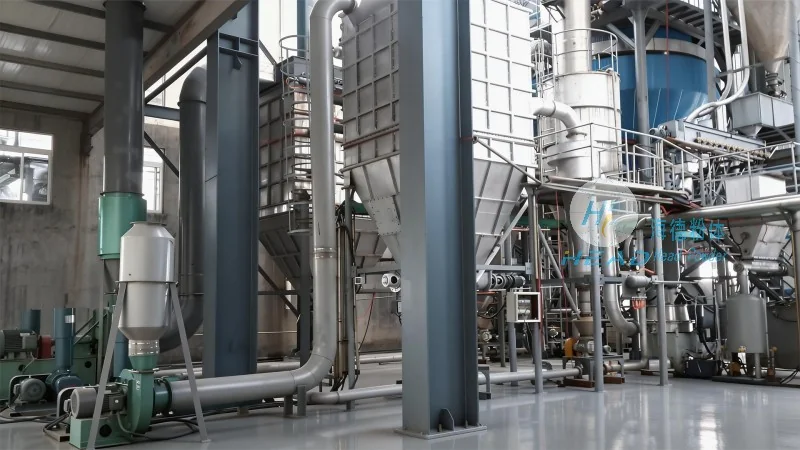
Regardless of the chosen pneumatic conveying solution, proper operation and maintenance are critical to ensure the system's longevity and performance. Regular inspection of components such as the blower, pipeline, and receiver is essential to identify and address any issues before they escalate. Additionally, monitoring air pressure, flow rates, and material levels helps maintain optimal system performance and prevent downtime.
For flake caustic soda systems, it is important to consider the material's reactivity with air and moisture. Proper sealing and moisture control are necessary to prevent product degradation and ensure the system operates safely. Regular cleaning and maintenance of the system, including the removal of any accumulated material or debris, also helps maintain efficiency and prevent blockages.
Conclusion and Recommendations
Choosing the right pneumatic conveying solution for flake caustic soda depends on several factors, including the specific application, conveying distance, and material characteristics. Dense phase systems are generally preferred for longer distances and more sensitive materials, while dilute phase systems may be suitable for shorter distances or less critical applications. Hybrid systems offer a flexible solution for a wide range of scenarios.
When implementing a pneumatic conveying system, it is recommended to consult with experienced professionals who can provide tailored solutions based on the specific needs of the operation. Proper design, installation, and maintenance are key to ensuring the system operates efficiently and safely, ultimately contributing to improved production outcomes and reduced operational costs.