News
聚焦海德风采动态,分享行业技术资讯For industrial salt processing facilities, selecting the appropriate pneumatic conveying system is a critical decision that directly impacts operational efficiency, material integrity, and overall safety. The choice of system—whether positive pressure, negative pressure, or a hybrid approach—depends heavily on factors like salt particle size, moisture content, and the distance over which material must be transported. A well-designed system not only ensures smooth material flow but also minimizes downtime and reduces maintenance costs, making it a key investment for any industrial operation.
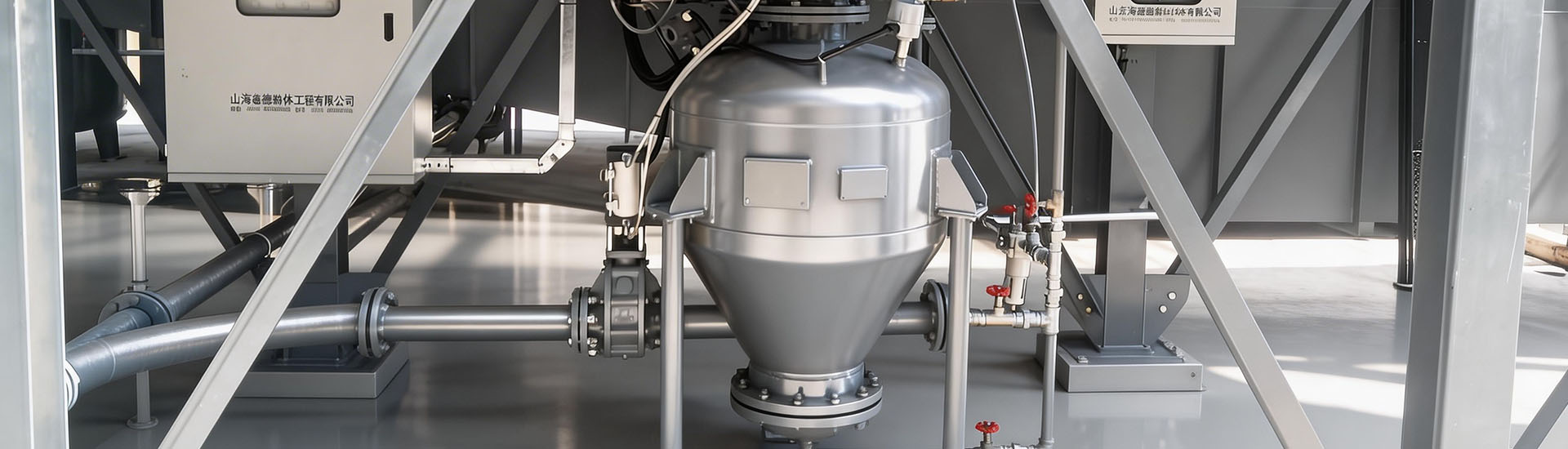
Positive pressure systems, where air is blown into the conveying line to push material forward, are ideal for long-distance or high-capacity applications. They offer better control over material flow and are less prone to clogging, making them suitable for industrial salt with larger particle sizes. Conversely, negative pressure systems, which use suction to draw material into the line, are more cost-effective for shorter distances and lighter loads. However, they require careful management to prevent dust emissions and ensure consistent flow. The choice between these systems often hinges on the specific operational requirements of the facility, such as the distance between the salt source and processing equipment.

Industrial salt materials vary widely in their physical properties, and these variations directly affect the choice of pneumatic conveying system. For example, fine-grained salt with high moisture content may require a system with higher air velocity to prevent clumping or blockages. In contrast, coarse salt with low moisture levels can be handled by systems with lower air pressure, reducing energy consumption. Additionally, the presence of impurities or foreign materials may necessitate additional filtration or separation steps in the system design. By thoroughly analyzing the material's characteristics, facility managers can select a system that optimizes performance while minimizing operational risks.
The layout of the conveying pipeline is another critical factor in system selection. Straight, unobstructed lines with minimal bends and changes in direction reduce pressure loss and prevent material buildup. For industrial salt, this means using larger diameter pipes for longer runs and incorporating appropriate elbows or bends to maintain flow. Equipment selection, such as the type of blower or vacuum pump, also plays a key role. Positive pressure systems typically use high-pressure blowers, while negative pressure systems rely on vacuum pumps. The capacity of these units must match the material flow rate to avoid under- or over-pressurization, which can lead to inefficiencies or equipment damage. Proper sizing and placement of equipment ensure the system operates at peak efficiency.

Long-term performance and low maintenance costs are essential considerations when choosing a pneumatic conveying system for industrial salt. Components such as filters, cyclones, and valves must be constructed from materials resistant to corrosion and abrasion, as salt can be highly corrosive and abrasive over time. Regular maintenance, including cleaning filters and checking for wear, is crucial to prevent system failures. Investing in high-quality, durable components may increase upfront costs but can significantly reduce long-term maintenance expenses and downtime. A well-maintained system ensures consistent material handling and prolongs the lifespan of the equipment, providing a better return on investment for industrial operations.

At Head Powder, we understand that the right pneumatic conveying system is tailored to your specific industrial salt processing needs. Our team of experts can help you evaluate your material characteristics, operational requirements, and budget to recommend the most suitable system. Whether you need a positive pressure system for long-distance transport or a negative pressure system for short runs, we offer customized solutions designed to enhance efficiency and reliability. Contact us today to learn more about how our pneumatic conveying systems can optimize your industrial salt handling process.

 Shandong Haide Powder Engineering Co., Ltd
 156-6277-7102(Manager Zhang)
  0531-83386006
  No. 1 Shanggao Industrial Park, Zhangqiu District, Jinan City, Shandong Province
 telephone
top