News
聚焦海德风采动态,分享行业技术资讯In the field of industrial waste management, especially in power plants and environmental protection facilities, the efficient handling of dry desulfurization ash has become a critical challenge. The pneumatic conveying of dry desulfurization ash materials represents a sophisticated solution that leverages air pressure to transport these fine particles, offering a reliable and environmentally friendly alternative to traditional methods. This technology is pivotal for optimizing the entire desulfurization process, ensuring that ash is moved safely and efficiently from the emission control system to storage or further processing units.
At its essence, pneumatic conveying of dry desulfurization ash materials operates by using compressed air or vacuum to move the ash particles through a pipeline. There are two primary systems: positive pressure (where air is blown into the pipeline to push the material) and negative pressure (where air is drawn out to pull the material). For dry desulfurization ash, which typically consists of fine, dry particles with low moisture content, positive pressure systems are often preferred due to their ability to handle high volumes and maintain consistent flow. The system includes key components such as a feeder, a conveying line, and a receiver, all designed to minimize particle degradation and ensure smooth operation.
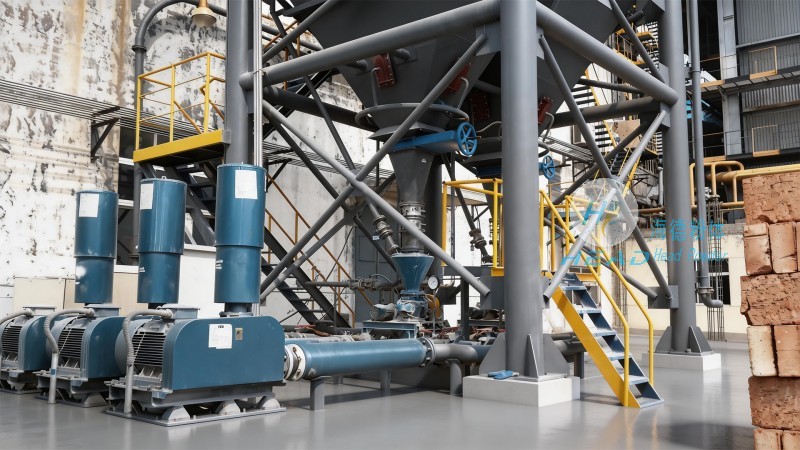
Within the context of flue gas desulfurization (FGD) systems, the pneumatic conveying of dry desulfurization ash materials plays a vital role in the overall workflow. After the ash is generated in the absorber tower, it needs to be transported to a storage silo or a disposal site. Traditional methods like belt conveyors or screw conveyors may introduce dust and require extensive maintenance, whereas pneumatic systems offer a dust-free operation, reducing the risk of air pollution and health hazards. This makes them ideal for applications where environmental compliance is paramount, such as in power plants adhering to stringent emission regulations.

Compared to conventional mechanical conveyors, the pneumatic conveying of dry desulfurization ash materials offers several distinct advantages. First, it eliminates the need for moving parts in contact with the ash, reducing wear and tear and lowering maintenance costs. Second, the system can handle a wide range of particle sizes and moisture levels, making it versatile for different types of desulfurization processes. Third, it provides better control over the flow rate and pressure, ensuring consistent and reliable transport. Additionally, the enclosed pipeline design prevents dust emissions, contributing to a cleaner working environment and compliance with environmental standards.

If you are looking to enhance the efficiency and sustainability of your desulfurization operations, the pneumatic conveying of dry desulfurization ash materials is a compelling solution. At Head powder, we specialize in designing and implementing customized pneumatic systems tailored to the unique needs of your facility. Our expertise in material handling and environmental technology ensures that your ash transport process is optimized for performance, safety, and compliance. Contact us today to learn more about how our solutions can transform your industrial waste management strategy.

 Shandong Haide Powder Engineering Co., Ltd
 156-6277-7102(Manager Zhang)
  0531-83386006
  No. 1 Shanggao Industrial Park, Zhangqiu District, Jinan City, Shandong Province
 telephone
top