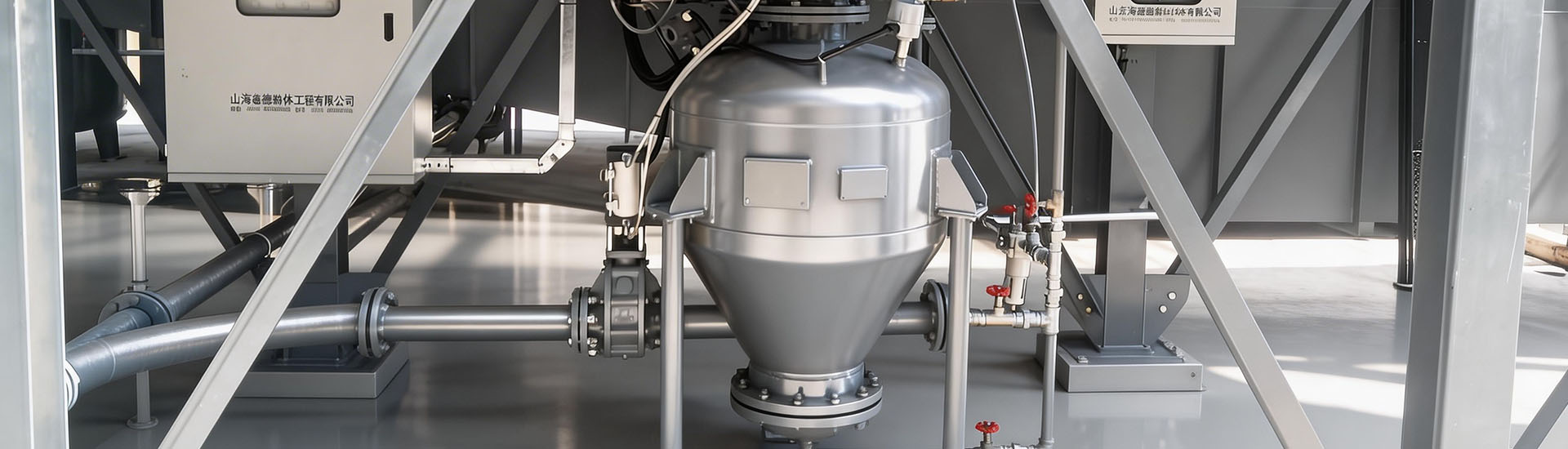
When it comes to managing bulk materials in industrial settings, the choice of a material handling system is critical. The wrong selection can lead to inefficiencies, increased operational costs, and even safety hazards. This guide provides a systematic approach to selecting the optimal bulk material handling system, specifically focusing on the conventional steps involved in choosing a bulk material handling system. By following these steps, you can ensure that your system meets your operational needs, enhances productivity, and delivers long-term value.
The first and most crucial step in selecting a bulk material handling system is a thorough understanding of the material itself. The characteristics of your bulk material will directly influence the type of system you need. Key properties to consider include particle size and shape, moisture content, bulk density, and abrasiveness. For instance, a fine, powdery material may require a different approach than a coarse, abrasive one. This initial assessment helps in determining the most suitable conveying method and the necessary equipment specifications.

Once you have a clear picture of your material's properties, the next step is to select the appropriate conveying method. The primary choice in many applications is between positive pressure and negative pressure air conveying systems. Positive pressure systems, also known as pressure systems, are ideal for short to medium distances and high material concentrations. They are often more compact and can handle a wider range of materials. On the other hand, negative pressure systems, or vacuum systems, are better suited for longer distances, lower material concentrations, and applications where dust containment is paramount. Understanding the pros and cons of each system type is essential for making an informed decision. The choice of a bulk material handling system, such as the one offered by Haid, will depend heavily on these factors.
After determining the material properties and the conveying method, it's time to define the key performance parameters for your system. These parameters are the technical specifications that will dictate the system's capacity and efficiency. The most important parameters include the required conveying capacity (in tons per hour), the maximum pressure or vacuum level, the power consumption, and the maximum distance the material needs to be transported. Accurately calculating these parameters is vital. A miscalculation can lead to underperformance or, worse, system failure. A professional evaluation by experts, such as those at Haid, can help in accurately defining these parameters and ensuring the system is sized correctly for your specific application.

The final step in the selection process involves evaluating potential vendors and their specific products. This is where experience and expertise come into play. You need to assess the vendor's reputation, their experience with similar applications, and the quality of their equipment. A reputable company like Haid will not only provide a high-quality bulk material handling system but also offer comprehensive support, including design, installation, and after-sales service. Partnering with a reliable vendor ensures that the system is not only technically sound but also backed by a team that can assist with any issues that may arise. This step is crucial for long-term success and system reliability.

Choosing the right bulk material handling system is a strategic decision that can significantly impact your business's bottom line and operational efficiency. By following a systematic approach, you can avoid common pitfalls and select a system that is perfectly tailored to your needs. The conventional steps outlined above provide a solid framework for this process. If you are considering implementing or upgrading a bulk material handling system, it's wise to consult with industry leaders like Haid. Their expertise and tailored solutions can help you navigate the complexities and ensure a successful outcome. Contact Haid today to learn more about how their bulk material handling systems can optimize your industrial processes.

 Shandong Haide Powder Engineering Co., Ltd
 156-6277-7102(Manager Zhang)
  0531-83386006
  No. 1 Shanggao Industrial Park, Zhangqiu District, Jinan City, Shandong Province
 telephone
top