News
聚焦海德风采动态,分享行业技术资讯In modern industrial production, especially in the food, pharmaceutical, and chemical sectors, the accuracy and efficiency of ingredient handling are critical to product quality and operational costs. Traditional manual weighing and material handling methods often lead to inconsistencies, increased labor costs, and potential safety hazards. This is where the integration of automatic weighing and pneumatic conveying systems becomes essential. These systems not only enhance precision in ingredient batching but also streamline the entire production process, making them a key investment for businesses aiming to optimize their operations and reduce long-term expenses.
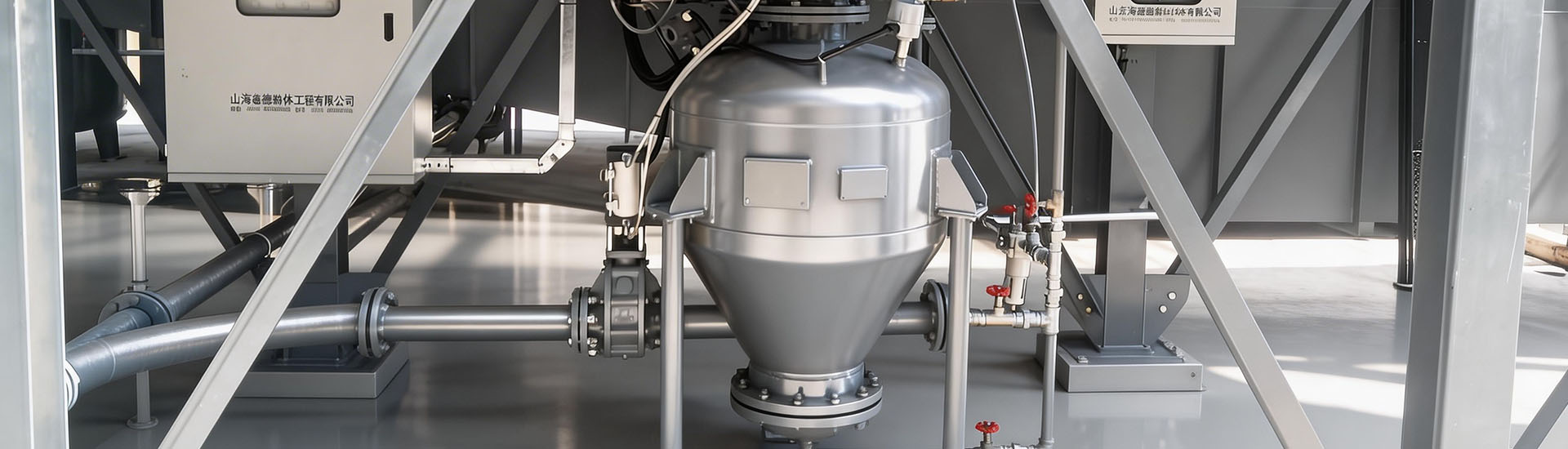
At the heart of any effective Automatic Weighing and Pneumatic Conveying System are several integrated components. The automatic weighing unit, often equipped with high-precision load cells and digital scales, ensures accurate measurement of ingredients, minimizing errors that can occur with manual handling. This precision is crucial for maintaining product consistency and compliance with industry standards. The pneumatic conveying system, on the other hand, uses air pressure to transport materials from storage to processing areas, eliminating the need for mechanical conveyors and reducing wear and tear on equipment. Together, these components create a seamless workflow that enhances both speed and reliability.
For instance, in a food processing plant, the automatic weighing system can precisely measure flour, sugar, and other dry ingredients, while the pneumatic conveying system transports them directly to the mixing line. This integration not only speeds up the production cycle but also reduces the risk of cross-contamination and material loss, which are significant concerns in food manufacturing.

When evaluating the cost-effectiveness of an Automatic Weighing and Pneumatic Conveying System, several factors must be considered. Firstly, the initial investment cost versus long-term operational savings is a primary consideration. While the upfront cost of these systems may seem high, the reduction in labor costs, material waste, and maintenance expenses often leads to a quick return on investment (ROI). For example, automating the weighing process can reduce the need for multiple operators, freeing up human resources for more complex tasks. Secondly, the system's energy efficiency plays a role in overall cost. Modern systems are designed to use minimal air pressure and power, further reducing utility bills over time.
Additionally, the durability and maintenance requirements of the equipment are critical. High-quality components, such as robust pneumatic conveyors and durable weighing scales, can reduce downtime and repair costs. Head Powder, as a manufacturer, emphasizes the use of high-grade materials and advanced technology to ensure long-term reliability and lower maintenance costs, making the system more cost-effective in the long run.
The choice of manufacturer is a crucial step in selecting a cost-effective system. A reputable manufacturer like Head Powder should offer comprehensive solutions, including design, installation, and after-sales support. They should have a deep understanding of the industry's specific needs and be able to customize systems to fit individual production requirements. For instance, Head Powder provides tailored solutions for different industries, such as food, pharmaceuticals, and chemicals, ensuring that the system meets the unique challenges and regulations of each sector.

Furthermore, a reliable manufacturer should offer transparent pricing and clear communication about the system's capabilities and limitations. This helps businesses make informed decisions and avoid costly mistakes. By choosing a manufacturer with a proven track record and customer testimonials, companies can ensure they are investing in a high-quality, cost-effective solution that delivers on its promises.
Automatic weighing and pneumatic conveying systems are widely used in various industries, offering numerous benefits beyond just cost savings. In the food industry, they help maintain the quality and safety of products by ensuring consistent ingredient ratios. In the pharmaceutical industry, precision is paramount, as even minor variations can affect the efficacy of medications. The systems also contribute to environmental sustainability by reducing material waste and energy consumption. For example, a company using Head Powder's system reported a 30% reduction in material waste and a 20% decrease in labor costs within the first year of implementation.

Moreover, these systems enhance operational efficiency by automating repetitive tasks, allowing workers to focus on quality control and process optimization. The integration of these technologies also supports scalability, as businesses can easily expand their production capacity without significant additional costs. This flexibility is particularly valuable for growing companies looking to adapt to changing market demands.
For businesses looking to enhance their production efficiency and reduce costs, investing in a high-quality Automatic Weighing and Pneumatic Conveying System is a strategic move. Head Powder specializes in providing customized solutions that meet the unique needs of each client, ensuring optimal performance and long-term value. To learn more about how our systems can benefit your operations, contact us today for a personalized consultation and a detailed cost analysis. Let us help you streamline your production process and achieve greater efficiency and profitability.

 Shandong Haide Powder Engineering Co., Ltd
 156-6277-7102(Manager Zhang)
  0531-83386006
  No. 1 Shanggao Industrial Park, Zhangqiu District, Jinan City, Shandong Province
 telephone
top