What factors need to be considered by equipment manufacturers of positive and negative pressure mixed material pneumatic conveying system?
2026-04-20
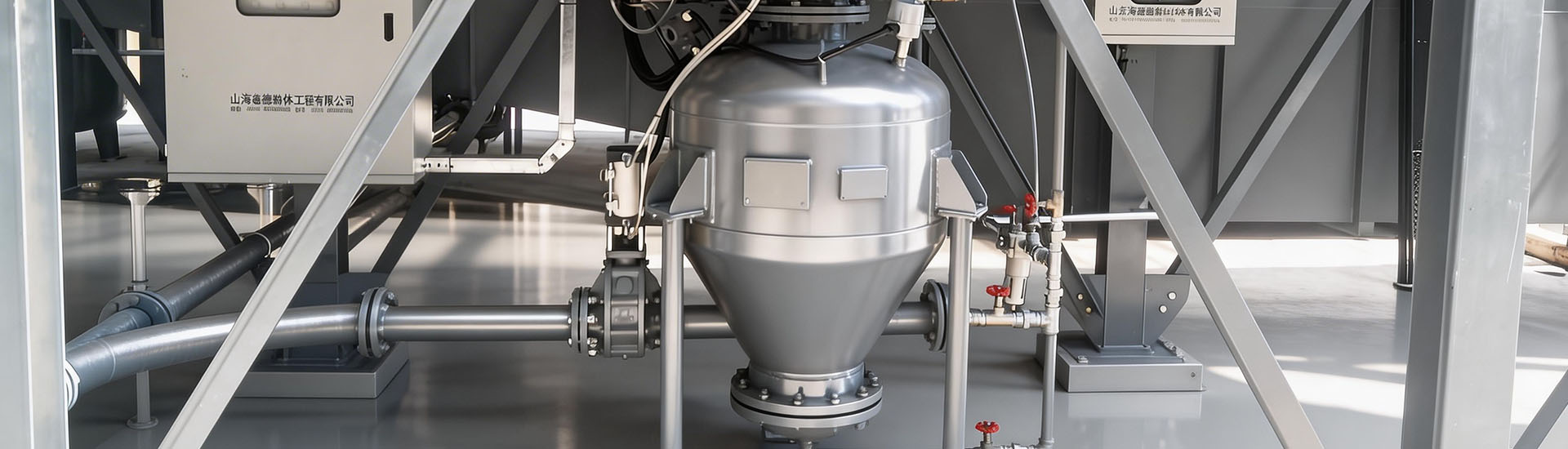
The positive and negative pressure mixed material pneumatic conveying system equipment has become a crucial component in modern industrial processes, especially for handling bulk materials like powders and granules. For manufacturers aiming to develop high-performance systems, understanding and addressing several critical factors is essential to meet the evolving demands of the industry. These factors span from system design principles to operational efficiency and safety standards, all of which directly impact the system's effectiveness and longevity.

1. Pressure Balance Technology: Achieving optimal pressure balance is the cornerstone of a successful mixed material pneumatic conveying system. This involves carefully calibrating the positive and negative pressure zones to ensure smooth material flow without blockages or excessive energy consumption. The design must account for the varying particle sizes and densities of the materials being transported, as well as the system's overall layout and distance. Advanced control systems, such as variable frequency drives (VFDs), play a vital role in dynamically adjusting pressure levels based on real-time conditions, enhancing both efficiency and reliability.
2. Material Characterization: The physical and chemical properties of the conveyed materials are paramount in system design. Factors like particle size distribution, moisture content, and abrasiveness directly influence the system's performance. For example, fine powders may require higher negative pressure to prevent dust emissions, while larger, heavier particles might need stronger positive pressure to maintain flow. Manufacturers must conduct thorough material testing to determine the optimal air velocity and pressure differentials, ensuring the system can handle diverse material types without degradation or system failure.
3. Energy Efficiency and Operational Costs: In today's cost-conscious industrial environment, energy efficiency is a key consideration for manufacturers. A well-designed positive and negative pressure mixed material pneumatic conveying system minimizes energy waste by optimizing pressure levels and reducing unnecessary air consumption. This not only lowers operational costs but also aligns with sustainability goals. Advanced features, such as energy recovery systems or intelligent control algorithms, can further enhance efficiency. For instance, Head powder's systems incorporate energy-saving technologies that reduce power usage by up to 30% compared to traditional designs, making them a cost-effective choice for long-term operation.
4. Safety and Environmental Compliance: Safety is non-negotiable in industrial applications, and manufacturers must prioritize robust safety features in their designs. This includes explosion-proof components for flammable materials, pressure relief valves to prevent over-pressurization, and dust collection systems to minimize environmental impact. Compliance with international standards like ATEX and EPA regulations is essential to ensure the system meets legal and environmental requirements. A safe system not only protects personnel and equipment but also enhances the manufacturer's reputation and market competitiveness.
If you are looking to invest in a reliable positive and negative pressure mixed material pneumatic conveying system equipment, consider partnering with Head powder. Our team of experts specializes in customizing systems tailored to your specific material handling needs, ensuring optimal performance, efficiency, and safety. Contact us today to learn more about how our advanced solutions can transform your industrial processes.



 Shandong Haide Powder Engineering Co., Ltd
 156-6277-7102(Manager Zhang)
  0531-83386006
  No. 1 Shanggao Industrial Park, Zhangqiu District, Jinan City, Shandong Province