News
聚焦海德风采动态,分享行业技术资讯When handling magnesium sulfate heptahydrate, selecting the right delivery system is crucial due to its hygroscopic nature and tendency to form lumps. The choice of magnesium sulfate heptahydrate delivery equipment directly impacts operational efficiency, product quality, and overall production costs. Understanding the key factors involved in this selection process can help manufacturers optimize their processes and avoid common pitfalls.
For magnesium sulfate heptahydrate, the material's properties—such as its high moisture content and tendency to stick—require specialized equipment. Screw conveyors are a popular choice for vertical or horizontal transport, offering gentle handling and minimal product degradation. However, for longer distances or more complex layouts, pneumatic conveying systems may be more suitable. These systems use air to transport the material, reducing friction and preventing lump formation. The key is to evaluate the material's flowability and the required transport distance to determine the most effective system type.

Magnesium sulfate heptahydrate can be mildly corrosive, especially in high-concentration solutions or over extended periods. Therefore, the material of construction for the delivery system is critical. Stainless steel, particularly 316L, is often preferred due to its excellent resistance to corrosion and chemical exposure. This not only prolongs the equipment's lifespan but also maintains product purity, as non-corrosive materials prevent contamination. When selecting a manufacturer, it's essential to verify the material specifications and ensure compliance with industry standards like FDA or GMP for food and pharmaceutical applications.
The efficiency of the magnesium sulfate heptahydrate delivery system directly affects operational costs. A well-designed system should minimize energy use while maximizing throughput. Factors like motor power, conveyor speed, and system design play a role in energy consumption. For example, variable frequency drives (VFDs) can adjust the motor speed to match the material flow, reducing energy waste. Additionally, the system's ability to handle varying feed rates without performance drops is a key indicator of efficiency. By optimizing these aspects, manufacturers can achieve significant cost savings and improve their return on investment.
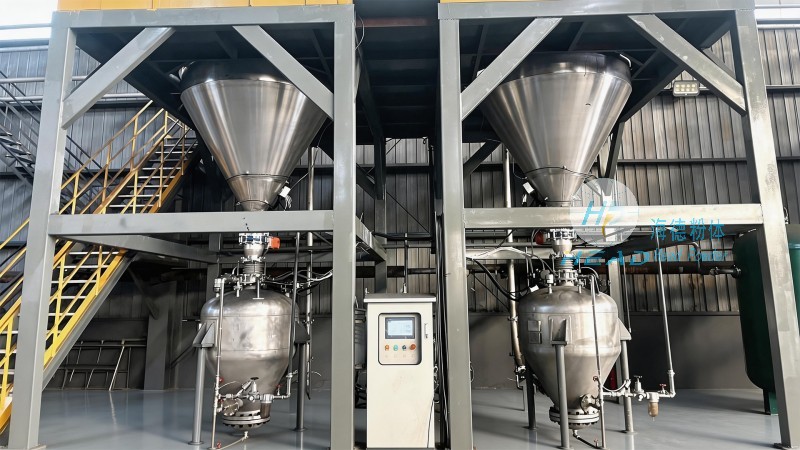
Due to magnesium sulfate heptahydrate's tendency to adhere to surfaces, regular maintenance and easy cleaning are essential. Equipment with smooth, non-stick surfaces and easy-to-access components simplifies cleaning processes. Some systems may incorporate CIP (Clean-In-Place) capabilities, allowing for automated cleaning without disassembly. This is particularly important in industries where product purity is paramount, such as food or pharmaceuticals. A well-designed delivery system should minimize dead zones where material can accumulate and cause blockages or contamination. Regular maintenance schedules and access panels should be considered to ensure minimal downtime and consistent product quality.

At Head powder, we understand the unique challenges of handling magnesium sulfate heptahydrate. Our team of experts can provide customized delivery solutions tailored to your specific needs, from system design to installation and maintenance. Whether you need a standard screw conveyor or a complex pneumatic system, we ensure that every component is optimized for your material's properties. Contact us today to learn more about how our magnesium sulfate heptahydrate delivery systems can enhance your production efficiency and product quality.

 Shandong Haide Powder Engineering Co., Ltd
 156-6277-7102(Manager Zhang)
  0531-83386006
  No. 1 Shanggao Industrial Park, Zhangqiu District, Jinan City, Shandong Province
 telephone
top