News
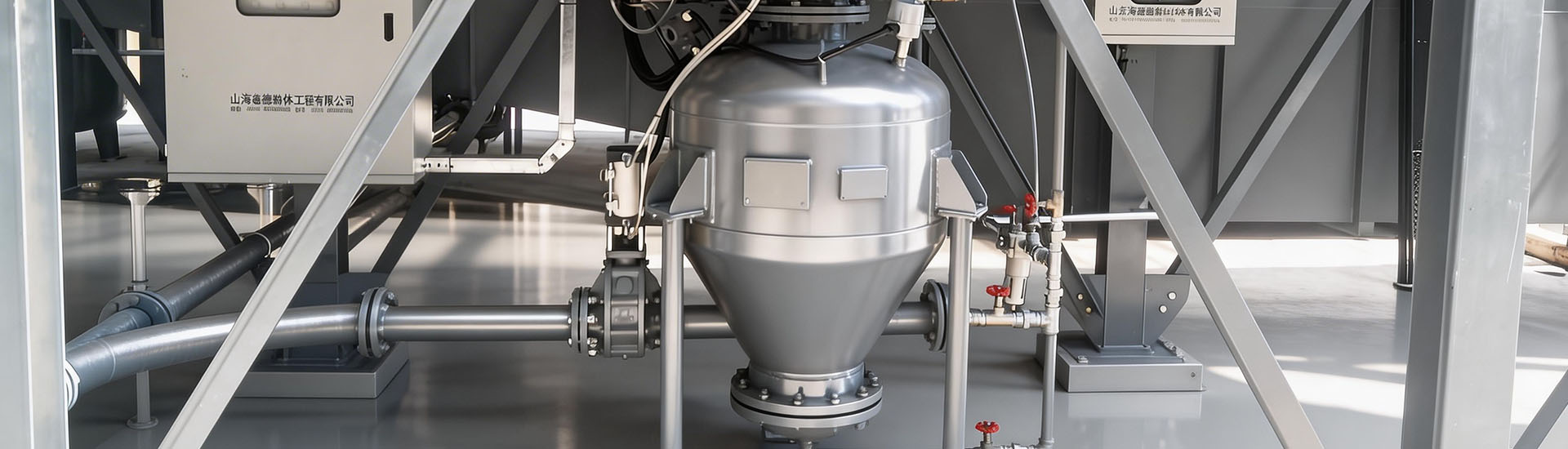
聚焦海德风采动态,分享行业技术资讯For manufacturers of PP powder pneumatic conveying system equipment, understanding the critical factors that influence system performance and reliability is paramount. The PP powder pneumatic conveying system, a vital component in many industrial processes, demands meticulous consideration of multiple variables to ensure optimal operation and longevity. From material properties to system design, each element plays a crucial role in the overall effectiveness of the equipment.
The first and most fundamental factor is the physical properties of the PP powder itself. Particle size, density, and moisture content are key determinants that affect how the powder behaves during pneumatic conveying. Larger or irregularly shaped particles may require higher air velocities or different nozzle designs to ensure efficient transport. Conversely, fine powders with high moisture content can lead to caking or blockages, necessitating specialized equipment like drying or anti-caking measures. Manufacturers must conduct thorough material analysis to tailor the system design accordingly, ensuring the PP powder pneumatic conveying system can handle the specific characteristics of the material without issues.

System design is another critical area that manufacturers must address. The choice between positive and negative pressure systems, for instance, depends on the application and the distance the PP powder needs to travel. Positive pressure systems are often used for short distances or when the material is sensitive to air contamination, while negative pressure systems are suitable for longer runs or when maintaining a clean environment is essential. Flow rate is equally important, as it directly impacts the system's capacity and energy consumption. Properly sizing the air compressor, ducts, and valves is crucial to prevent pressure drops or excessive energy use, ensuring the PP powder pneumatic conveying system operates efficiently and cost-effectively.
Ensuring safety and compliance with environmental regulations is non-negotiable for any manufacturer. PP powder, like other powders, can pose dust explosion risks if not handled properly. Therefore, manufacturers must incorporate explosion-proof designs, such as spark detection and suppression systems, into the PP powder pneumatic conveying system. Additionally, the system must meet local environmental standards for air emissions and noise levels. Proper filtration and dust collection systems are essential to prevent airborne particles from escaping into the environment, protecting both personnel and the surrounding ecosystem. Compliance with these regulations not only safeguards the company but also enhances the reputation of the PP powder pneumatic conveying system manufacturer.

Maintenance and longevity are often overlooked but are vital for the long-term success of the PP powder pneumatic conveying system. Regular maintenance, including cleaning of ducts, filters, and valves, is necessary to prevent clogs and ensure consistent performance. The choice of materials for components, such as stainless steel or corrosion-resistant alloys, can extend the system's lifespan, especially when handling abrasive or corrosive PP powders. Manufacturers should also provide comprehensive maintenance plans and spare parts availability to minimize downtime. A well-maintained PP powder pneumatic conveying system not only reduces operational costs but also ensures reliable performance over its service life.
Finally, the integration of the PP powder pneumatic conveying system with existing facilities is a critical consideration. Manufacturers must assess the compatibility of the system with current infrastructure, including piping, electrical systems, and control panels. Customization is often required to ensure seamless integration, avoiding disruptions to ongoing operations. The system's control system, whether manual or automated, should be compatible with existing controls to facilitate smooth operation. By considering these integration factors, manufacturers can ensure the PP powder pneumatic conveying system not only meets performance requirements but also fits seamlessly into the client's existing setup, minimizing installation time and costs.

At Head powder, we understand these critical factors and more. Our expertise in designing and manufacturing PP powder pneumatic conveying system equipment ensures that every system is tailored to the unique needs of our clients. Whether you're dealing with specific material properties, system design challenges, or integration issues, our team of experts is ready to provide customized solutions. Contact us today to learn more about how our PP powder pneumatic conveying system equipment can enhance your industrial processes and improve efficiency.

 Shandong Haide Powder Engineering Co., Ltd
 156-6277-7102(Manager Zhang)
  0531-83386006
  No. 1 Shanggao Industrial Park, Zhangqiu District, Jinan City, Shandong Province
 telephone
top