News
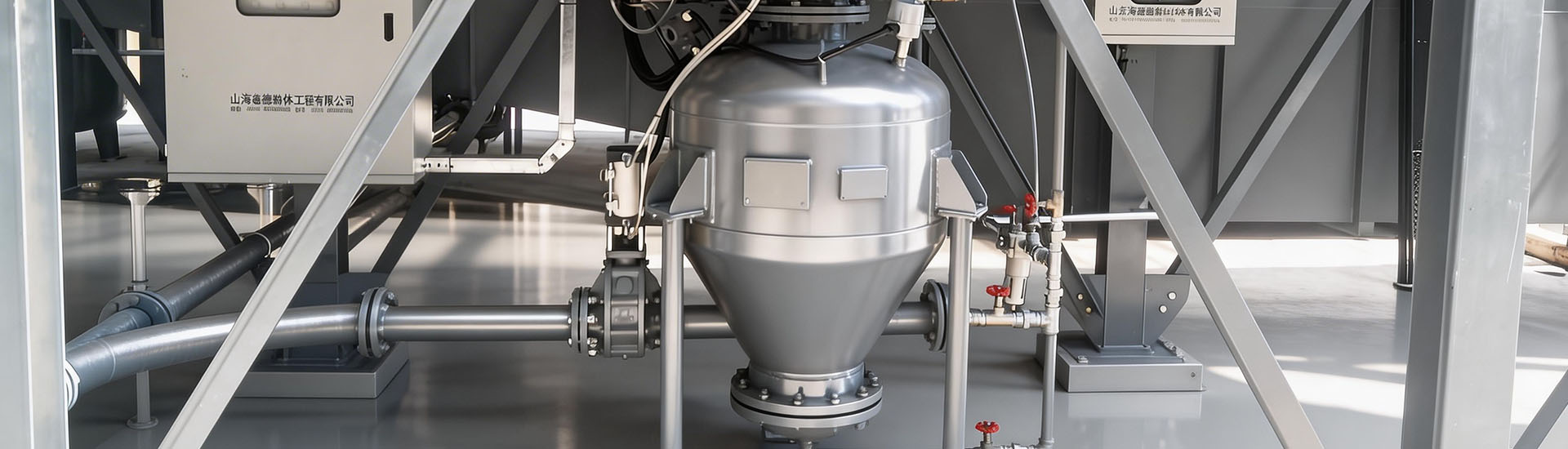
聚焦海德风采动态,分享行业技术资讯For manufacturers of dry sand powder pneumatic conveying system equipment, the design and selection of key components directly affect the system's performance and efficiency. Understanding the influencing factors is crucial for optimizing the system and ensuring stable operation, which ultimately impacts production costs and output quality.
The physical and chemical properties of dry sand powder, such as density, moisture content, and particle size distribution, are fundamental factors that manufacturers must consider. Coarser particles may require larger duct diameters and higher air pressure to maintain flow, while fine powders can lead to clogging and increased energy consumption. Accurate analysis of these properties helps in selecting the appropriate air velocity, pipeline design, and equipment materials to prevent blockages and ensure consistent conveying performance with the dry sand powder pneumatic conveying system equipment.

System pressure and flow rate are critical parameters that directly influence the conveying distance and throughput of the dry sand powder pneumatic conveying system equipment. Manufacturers typically choose between positive pressure and negative pressure systems based on the application. Positive pressure systems are suitable for long-distance or high-rise applications, while negative pressure systems are ideal for handling dust or fine powders in closed environments. Proper selection of pressure and flow rate ensures efficient material transport without excessive energy waste.
The material of construction for the dry sand powder pneumatic conveying system equipment must be selected based on the chemical compatibility of the dry sand powder. For example, if the powder contains acidic or alkaline components, corrosion-resistant materials like stainless steel or special alloys are necessary to prevent degradation and maintain product purity. Manufacturers must also consider the wear resistance of components such as elbows and valves, as frequent abrasion can reduce equipment lifespan. Choosing durable materials enhances the system's longevity and reduces maintenance costs.

Modern dry sand powder pneumatic conveying systems often integrate advanced control systems to enhance operational efficiency and safety. Manufacturers may incorporate programmable logic controllers (PLCs), sensors, and monitoring software to automate processes, such as flow rate adjustment and pressure regulation. Automation reduces human error, improves process consistency, and enables real-time data tracking. Additionally, integrating with enterprise resource planning (ERP) systems allows for better inventory management and production optimization. The level of automation should align with the manufacturer's budget and operational scale.
Maintenance and service support are essential factors that manufacturers must consider to ensure the long-term reliability of the dry sand powder pneumatic conveying system equipment. Regular maintenance, including cleaning of filters, checking for leaks, and inspecting for wear, is necessary to prevent system failures. Manufacturers should provide comprehensive service packages, including on-site support, spare parts availability, and technical training for operators. A robust service network ensures quick response times and minimizes downtime, which is critical for maintaining production continuity.

If you are looking to enhance your dry sand powder pneumatic conveying system performance, Head powder offers comprehensive solutions tailored to your specific needs. Our team of experts can help you evaluate the key factors mentioned above and design a customized system that maximizes efficiency and reduces operational costs. Contact us today to schedule a consultation and learn how our equipment can optimize your operations.

 Shandong Haide Powder Engineering Co., Ltd
 156-6277-7102(Manager Zhang)
  0531-83386006
  No. 1 Shanggao Industrial Park, Zhangqiu District, Jinan City, Shandong Province
 telephone
top