News
聚焦海德风采动态,分享行业技术资讯In industrial operations, the efficient and economical transportation of dry sand materials is a critical factor that directly impacts production efficiency and overall operational costs. For businesses involved in construction, mining, or manufacturing, selecting the right dry sand material conveying system is not just a technical decision but a strategic one aimed at optimizing resource utilization and minimizing long-term expenses. The market offers various solutions, each with distinct advantages and considerations, making it essential to understand the key factors that influence cost-effectiveness and performance.
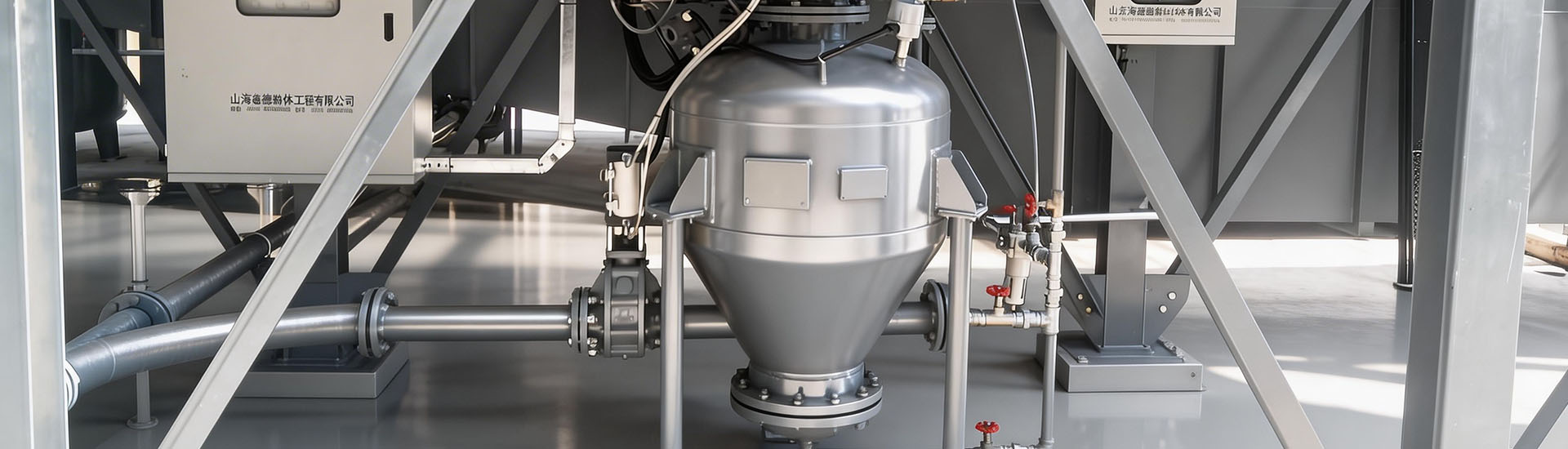
The foundation of any effective dry sand material conveying system lies in its core components. These typically include the feeding mechanism, the conveying medium (such as air or mechanical components), and the control system. Each component plays a vital role in ensuring the smooth and efficient movement of dry sand from the source to the destination. For instance, the feeding mechanism must be capable of handling the specific characteristics of the dry sand, such as particle size and moisture content, to prevent blockages or uneven flow. The conveying medium, whether pneumatic or mechanical, must be selected based on the material's properties and the distance to be covered. A well-designed control system ensures that the entire process is monitored and adjusted in real-time, optimizing energy use and reducing downtime.

When it comes to cost-effective dry sand material conveying, two primary technologies stand out: pneumatic conveying and mechanical conveying. Pneumatic conveying systems use air to transport dry sand, which is often more suitable for long-distance or high-volume applications. These systems are generally more energy-efficient for certain materials and can handle a wider range of particle sizes. However, they may require more maintenance and have higher initial investment costs compared to mechanical systems. Mechanical conveying, on the other hand, relies on components like belts, screws, or buckets to move the material. This method is typically more cost-effective for shorter distances and lower volumes but may be less efficient for very fine or abrasive dry sand. Understanding the specific needs of your operation is crucial in choosing between these technologies.
Several key factors should guide your decision when selecting a dry sand material conveying solution. First, the material's properties are paramount. The particle size, density, and moisture content of the dry sand will determine the type of system that works best. For example, fine, dry sand may require a system with better dust control and air filtration, while coarser sand might benefit from a mechanical system with higher load capacity. Second, the distance and volume of material to be transported are critical. Longer distances and higher volumes often justify the investment in more advanced systems, even if they have higher upfront costs, as they can reduce labor and energy costs over time. Third, maintenance and operational costs should not be overlooked. A system that is easy to maintain and has lower energy consumption will contribute significantly to long-term cost savings.

Choosing the right manufacturer is as important as selecting the right technology. A reputable manufacturer like Head powder brings not only high-quality products but also deep industry expertise. They can provide tailored solutions that address specific challenges, such as handling abrasive or corrosive dry sand, or integrating the conveying system with existing production lines. By working with a manufacturer with a proven track record in dry sand material conveying, businesses can avoid common pitfalls, reduce trial-and-error costs, and ensure that the system is optimized for both performance and cost-effectiveness. This partnership approach ensures that the final solution meets all operational requirements while staying within budget constraints.

If you're facing challenges with dry sand material transportation and are looking for a cost-effective solution, consider reaching out to Head powder. Our team of experts can help you evaluate your specific needs, recommend the most suitable dry sand material conveying system, and provide customized solutions that enhance efficiency and reduce costs. By partnering with us, you can ensure that your dry sand material conveying process is not only effective but also economically viable in the long run.

 Shandong Haide Powder Engineering Co., Ltd
 156-6277-7102(Manager Zhang)
  0531-83386006
  No. 1 Shanggao Industrial Park, Zhangqiu District, Jinan City, Shandong Province
 telephone
top